

Innovative Approaches to Enhance Quality of Life for SeniorsKey Takeaways
- Technological advancements are significantly enhancing seniors’ daily lives.
- Community initiatives play a crucial role in supporting aging populations.
- Integrating technology with traditional care methods offers comprehensive solutions.
Table of Contents
- Smart Home Technologies
- AI Companions
- Fitness and Wellness Programs
- Telehealth and Remote Monitoring
- Community Engagement Initiatives
- Integrating Technology with Traditional Care
- Conclusion
As people around the world live longer, finding ways to improve day-to-day life for seniors has gained urgent importance. New strategies are being developed to address the challenges faced by older adults, focusing on independence, health, and social engagement. In Mattoon, resources like senior care play a vital role in these efforts, offering support to help older adults remain active and connected in their communities.
Advancements in technology, combined with evolving care models, are creating opportunities for seniors to maintain autonomy while benefiting from new tools and community programs. Innovative solutions are helping address not just physical health concerns, but also emotional well-being and social engagement, which are essential for a fulfilling life as we age.
With creative uses of technology and focused community programs, elder care is changing for the better. Programs that emphasize both health and emotional support address the needs of today’s aging population. For those seeking more specialized support, elder care programs in Mattoon can help foster a sense of dignity and security for seniors and their families.
In addition to local resources, many national and international initiatives are showing promising results, illustrating the potential to transform what it means to age in the modern world. By understanding these approaches, families and community organizations can better support healthy, engaged aging.
Smart Home Technologies
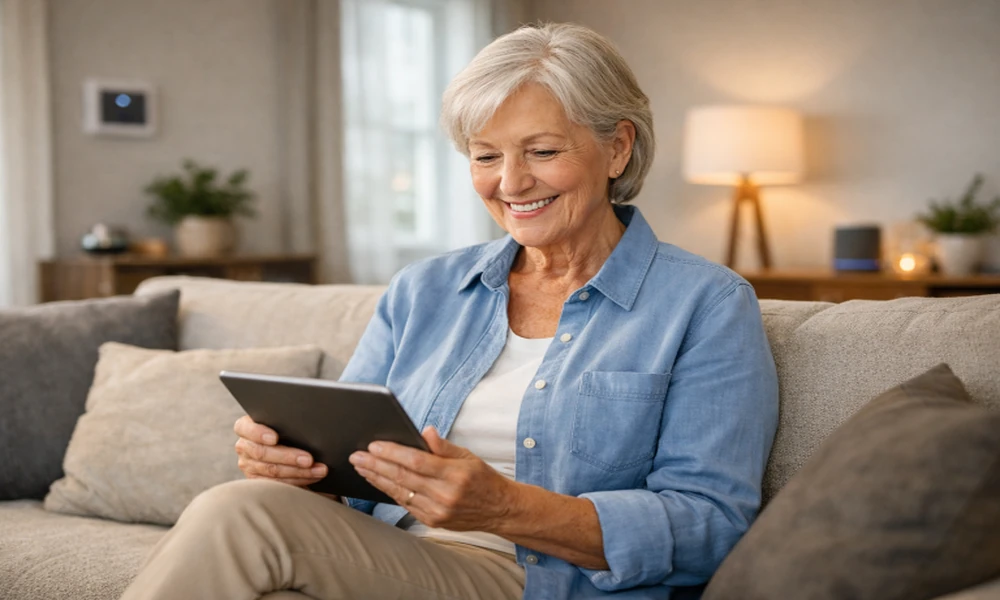
Smart home technology has become an essential tool for helping seniors live safely and independently. Devices like Amazon Alexa and Google Home can be set up to control lighting, adjust thermostats, and even manage medication reminders. Wearable technology, such as the Lotus ring, enables users to operate household appliances with simple gestures, especially benefiting those with mobility difficulties. This technology not only reduces barriers to independence but also offers peace of mind to families knowing that seniors are safer in their homes.
Smart home features like automated locks, fall detection sensors, and voice-activated communication devices can significantly reduce the risk of accidents. According to research from the New York Times, these devices can extend the time older adults can safely remain at home.
AI Companions
Loneliness is one of the most significant challenges for seniors, but artificial intelligence offers innovative support. In a widely recognized program, the New York State Office for the Aging introduced ElliQ, an AI-powered robot that converses with users, provides health reminders, and encourages social interaction. Results showed a dramatic reduction in reported loneliness, underscoring how technology can strengthen emotional health for those who may live alone or be separated from family.
AI companions not only combat isolation but also support cognitive engagement by initiating conversations, suggesting activities, and monitoring health habits. A feature article by CNN highlights how AI-driven devices are reshaping what companionship can look like for older adults.
Fitness and Wellness Programs
Keeping active remains a foundational pillar of healthy aging. Many senior communities are now embracing wearable health devices, such as fitness trackers or heart rate monitors. These devices provide actionable information, helping design individualized wellness plans while tracking progress against health goals.
Technology-driven exercise classes, including virtual reality and interactive video programs, foster engagement and make physical activity more enjoyable. Wearable tech even encourages healthy habits, reminding users to move throughout the day, and helping caregivers customize regimens around specific medical conditions or needs.
Telehealth and Remote Monitoring
Telehealth platforms have transformed health care for older adults by making medical consultations more convenient and accessible. Seniors can meet with physicians from the comfort of home, reducing travel-related stress and exposure to potential illnesses. Additionally, remote monitoring devices track vital signs such as blood pressure, heart rate, and glucose levels, facilitating earlier intervention and better disease management.
This approach helps prevent hospitalizations and ensures swift responses to health concerns. Recent coverage by The Washington Post highlights how telehealth is shaping a new future for senior medical care.
Community Engagement Initiatives
Social interaction and supportive environments are central to maintaining seniors’ emotional and cognitive health. Community programs, like the pilot by the Aging and Disability Resource Center in Dunn County, offer group activities, education, and technology training to keep older adults connected and intellectually active.
Initiatives that blend technological support with traditional social opportunities are particularly effective in reducing isolation and nurturing cognitive skills. Local senior centers, libraries, and virtual clubs are increasingly vital resources for these programs.
Integrating Technology with Traditional Care
Combining advanced technology with proven traditional care models produces the most comprehensive support for seniors. Projects like the University of New Hampshire’s Dementia Care Robot initiative show how in-home robots can remind individuals about medications or appointments while providing valuable companionship. This approach enhances the quality of care and makes it possible for more seniors to comfortably age in place.
By working together, caregivers, families, and professionals can ensure that both high-tech solutions and human support are available, maximizing well-being for all involved.
Conclusion
New approaches that leverage technology and community involvement are making a meaningful difference in the lives of seniors. These strategies help older adults stay healthy, independent, and socially engaged, creating environments where aging can be embraced with confidence and dignity. With continued innovation and collaboration, the quality of life for seniors is set to improve for generations to come.
