

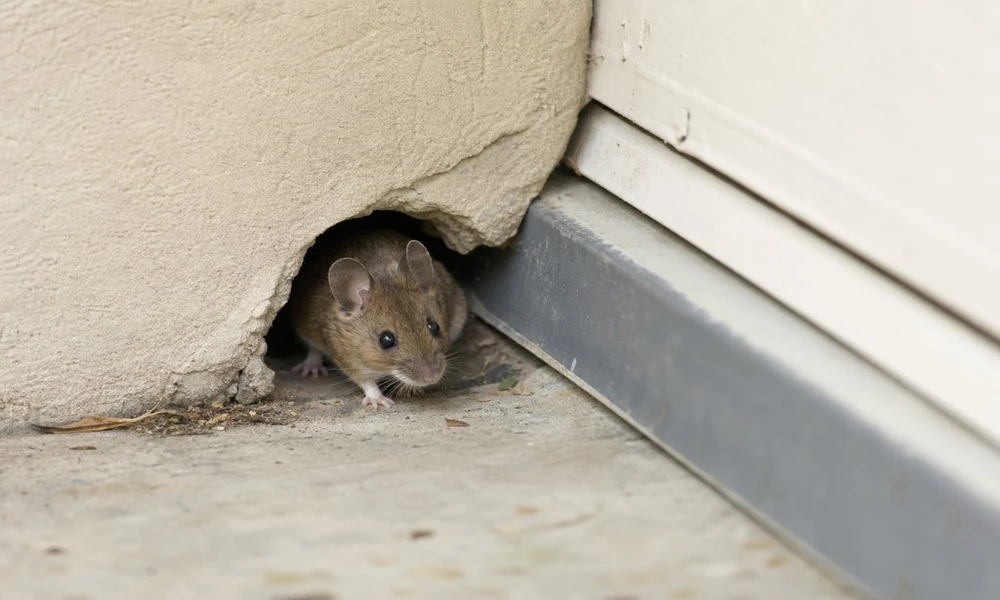
Rodents may be invading your home without your knowledge. A mouse can fit through an opening that is just 6 millimeters wide! Which means that while your kitchen counter may be immaculate and your pantry in order, there may be a gap outside your home that welcomes rodents with open arms. Visit this page to learn more about this.
Follow this guide to conduct a rodent-proofing inspection and determine if you should consider rodent control in North Hollywood.
Entry Points
Rodents invade through cracks in the foundation, gaps under doors, worn-out weatherstripping, and other gaps in the structure of the home. Conduct a thorough inspection of the home, inside and outside, paying close attention to common rodent entry points, including:
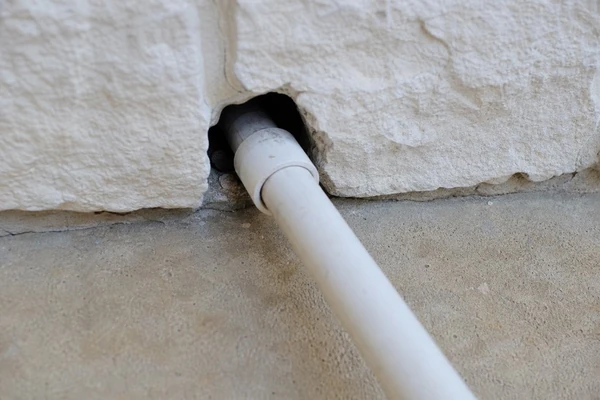
- Around utility lines and other places where there are penetrations for plumbing or other items
- Garage doors
- Crawl-space entrances
- Vents
- Cracks in the foundation
- Gaps between building materials
- Under sinks
- Behind or between appliances
- Loose siding
- Gaps around the edges of doors
- The perimeter of the foundation
- The roofline
- Between walls
- Attic vents
- Cracks in exterior walls
- Misfitting doors
- Corners of the garage
- Between appliances and walls or countertops
- Around chimneys and fireplaces
- The basement
Look closely at bushes and shrubs growing against the home, as rodents may be entering through a gap that’s hidden away by exterior elements. Inspect around storage containers or furniture kept outside as well. If you can’t figure out where rodents are getting into the home, consider calling in a trained technician to perform an inspection and suggest ways to seal the home. Sealing one gap, even trapping the culprit, won’t deter future intruders, so it’s important to identify all possible entryways as well as signs of an infestation that could lead you to their travel route.
Food, Shelter, and Moisture
It may be necessary to modify how you use certain areas of the home, especially the garage, basement, attic, crawl space, and other locations where items are stored, to make it less attractive to rodents. Eliminating harborage, food sources, and moisture sources is key.
Harborage – Remove clutter to reduce hiding spots, particularly in transition spaces like the garage, attic, basement, crawl space, and closets. Cardboard boxes make great nesting spots for rodents, particularly when they’re located near food and warmth. Try using plastic storage containers with secure lids instead of boxes. Lift items off the ground and try not to stack things right up against exterior walls. Piles of lumber, firewood, and other materials shouldn’t be stored up against the foundation. Trim bushes, trees, plants, shrubs, and other landscaping away from the home. Dense growth offers protection from predators and allows them to hide while they make their way into the home.
Food sources – Rodents won’t stick around if they can’t find something to eat, so reduce or eliminate any available food sources. This includes pet food that’s left out overnight, an overflowing trash can, crumbs that have worked their way behind the range or refrigerator, and snack packages that have been left open in the pantry. Keep all food sealed tightly in containers and sweep the floor regularly.
Moisture – Even when food is limited, a consistent water source can attract rodents. Address any sources of condensation in the utility room, dripping outdoor faucets, or a leaky pipe that drips under the sink.
When to Call
Occasionally, it’s necessary to invite a pet into the home. A screen door left ajar, an open garage, or a visit from friends and family can inadvertently allow a wild animal to make its way inside. Seasonal changes can prompt them to explore new territory as well. If you catch a glimpse of a rodent once and don’t see it again, it may have been an anomaly. Seal any gaps you’ve spotted during your inspection, keep food properly stored, reduce clutter and address any moisture issues, and move on with life.
However, if you keep finding evidence of rodents, including gnawed materials, droppings, nesting material, or hear scurrying behind the wall or up in the ceiling, an infestation may have taken hold, and it’s time to call a professional. It’s okay to skip the home remedies (strongly-scented repellents or ultrasonic devices aren’t going to fix the problem, seal entry points, remove nesting sites, disrupt travel routes, and more) and reach out to an expert for rodent control in North Hollywood if you’re unsure of what’s causing the problem.
After Rodent Removal
After a rodent problem is eliminated, you’ll need to take steps to eliminate any leftover messes as well as address areas of damage. Follow these next steps to prevent lingering odors, attractants, and entryways that may entice rodents to come back:
- Wear protective clothing and dispose of rodent droppings instead of sweeping them up and stirring the droppings into the air (https://who.int/news-room/fact-sheets/detail/hantavirus-pulmonary-syndrome), chewed-up items, soiled insulation, nesting materials, and anything else they’ve made contact with. Remove any exposed food sources as well.
- Repair chewed-up materials, as rodents may damage ductwork, electrical wires, insulation, siding, flooring, furniture, stored items, etc. Repairing any damage eliminates entryways and protects you from potential health and safety concerns.
- Inspect the home regularly, taking a walk around the house to ensure there aren’t any new cracks in the foundation or gaps around windows. It’s a good idea to look around after bad weather, landscaping projects, construction, etc.
