

Key Takeaways
- Most pests enter homes in search of food, water, warmth, or shelter.
- Sealing gaps and correcting leaks can prevent many recurring pest issues.
- Integrated pest management emphasizes inspection, prevention, monitoring, and targeted action.
- Seasonal checks can reveal pest activity before it causes damage or leads to larger infestations.
- Pesticide products should always be used according to their labels and only when needed.
- Rodents, termites, bed bugs, and large nests of stinging insects may require professional attention.
Keeping a home pest-resistant does not require constant spraying or complicated routines. It starts with noticing the everyday conditions that attract insects and wildlife, then correcting them before activity grows. When a problem is beyond a simple repair or cleanup, a qualified pest control company can help identify the source and recommend a targeted response.
The most effective approach is steady prevention. Sealing small openings, reducing moisture, properly storing food, and checking the property seasonally can make a major difference. These habits also help homeowners use treatments more carefully and avoid reacting to every pest sighting with unnecessary products.
Why Prevention Works Better Than Panic
A pest seen indoors is sometimes only the visible part of a larger issue. A few ants near a sink may be following moisture from a slow plumbing leak. A single mouse dropping may indicate that a rodent has found a dependable route between an exterior gap and a warm wall void. Reacting only to what is visible can leave the underlying cause untouched.
Prevention is more practical because it removes the reasons pests stay. Regular repairs and cleanup can reduce property damage, protect stored food, and limit the need for repeat treatments. Instead of waiting for a problem to become urgent, homeowners can build inspection habits into normal home maintenance.
Common Pest Entry Points To Check
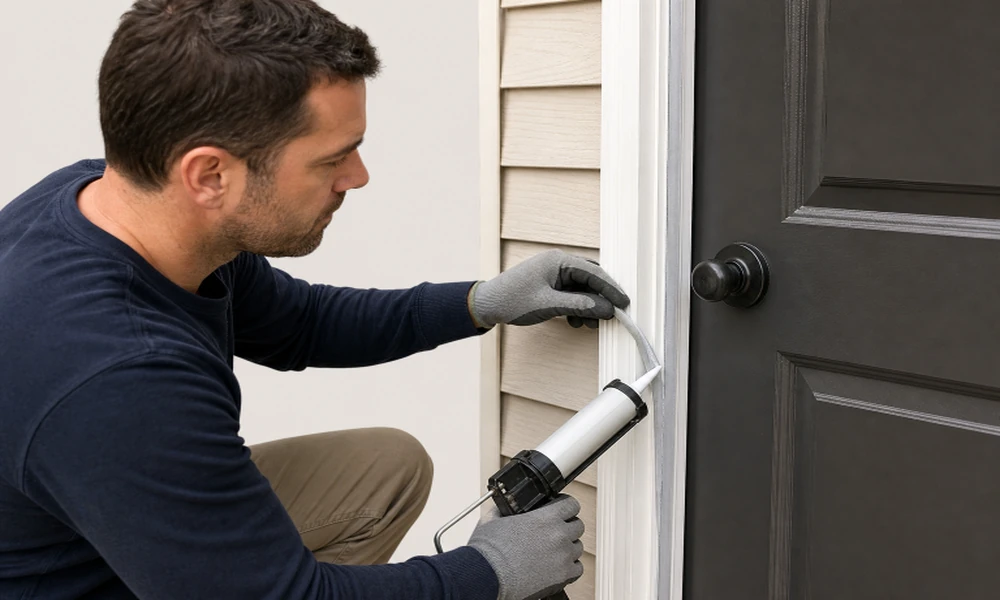
Many pests need only a small opening to get inside. Walk around the home every month or two and inspect areas where building materials meet, utilities enter, or weather exposure has caused wear.
- Gaps around doors, windows, garage doors, and screens
- Foundation cracks and openings near crawl spaces
- Spaces around pipes, wiring, cable lines, and dryer vents
- Loose roof edges, damaged soffits, attic vents, and chimneys
- Unscreened vents or torn mesh around exterior openings
Caulk and weather stripping work well for many narrow insect entry points, while door sweeps can block activity beneath exterior doors. Rodents may chew through weak materials, so larger openings often need durable metal mesh or another chew-resistant repair method.
Remove Food, Water, And Shelter
Pests settle where their basic needs are easy to meet. The steps that keep pests from finding food, water, and shelter are often the same steps that make a home cleaner, drier, and easier to maintain.
- Store cereal, pet food, flour, and snacks in sealed containers.
- Wipe crumbs, spills, and grease from counters, floors, and appliances.
- Keep trash and recycling bins covered, and empty them regularly.
- Repair dripping faucets, leaking supply lines, and wet appliance connections.
- Run bathroom, kitchen, and laundry ventilation to reduce humidity.
- Reduce cardboard, clutter, and stored materials in garages, attics, and basements.
- Keep firewood, boxes, and yard debris away from the exterior walls.
Build A Seasonal Prevention Plan
Pest pressure changes with temperature, rainfall, and seasonal behavior. A short check each season helps homeowners catch patterns early.
Spring
Clean gutters, inspect screens, and look for ants, termites, wasps, and signs of moisture damage. Check beneath decks, porch roofs, and eaves for early nest construction.
Summer
Remove standing water from pots, toys, tarps, gutters, and low spots in the yard. Keep outdoor food covered, and check pets, shoes, and clothing for ticks after time in grassy or wooded areas.
Fall And Winter
Seal cracks before cooler temperatures send rodents indoors. Trim vegetation away from siding and rooflines, then inspect attics, crawl spaces, and storage areas for scratching sounds, droppings, gnaw marks, or damaged insulation.
Use Integrated Pest Management At Home
Integrated pest management, often called IPM, means solving pest problems through a sequence of sensible decisions rather than relying on a single product. The integrated pest management approach begins with accurate identification and prevention, then uses the least disruptive effective control when action is necessary.
- Identify the pest. Avoid treating an unknown insect or animal.
- Find the cause. Look for food, water, nesting material, shelter, or access points.
- Set a response level. One outdoor insect may need no action, while repeated indoor sightings deserve investigation.
- Start with physical prevention. Seal openings, remove clutter, fix leaks, and improve sanitation.
- Monitor results. Use visual checks, traps where appropriate, and notes about dates and locations.
- Choose targeted control. Use the smallest effective response for the specific pest and location.
Make The Yard Less Inviting
A tidy yard cannot eliminate every pest, but it removes hiding places and makes new activity easier to see. Keep grass trimmed, remove dense leaf buildup, and cut back shrubs or vines that touch the home. Store firewood and lumber on raised supports away from walls, keep garbage containers closed, and correct spots where water collects after rain. Bird feeders should also be positioned away from doors and exterior walls, since spilled seed can attract rodents.
Use Pest Treatments With Care
“Natural” does not automatically mean harmless, and stronger products are not always more effective. Risk depends on the ingredient, the amount used, the placement, and the potential exposure. Read the label before every use, select a product approved for the pest and location, and follow directions for ventilation, drying time, and re-entry.
- Keep products in their original containers and away from children, pets, food, and heat.
- Never mix pest-control products unless the label specifically permits it.
- Do not use outdoor products indoors.
- Refrain from using widespread spraying when treating a crack, nest, bait station, or in a small area.
Know When To Call For Help
Professional help is often the safer choice when a pest is difficult to identify, activity returns after prevention efforts, or hidden damage may be present. Call promptly for repeated rodent signs, termite tubes or discarded wings, bed bugs, large wasp or hornet nests near living spaces, stinging insects inside walls, or heavy droppings contamination. Do not disturb large nests or handle unfamiliar wildlife.
Final Thoughts
Effective pest prevention is built on small, consistent actions. A sealed home, dry foundation, clean storage areas, and a maintained yard can reduce many common pest pressures. Pair those habits with monitoring and careful, targeted treatment choices to protect the home without relying on unnecessary products.
