

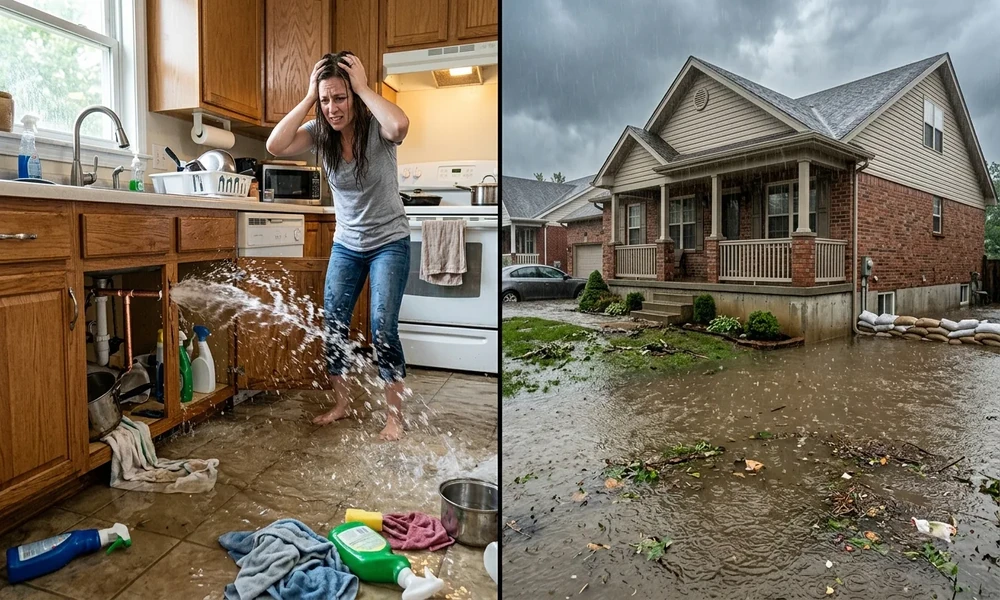
Picture a homeowner standing in a wet living room, phone in hand, certain that insurance will cover the mess. A supply line burst, or a storm sent water through the door, and either way the carpet is soaked. It feels like one problem. To an insurance company, it may be two very different ones, and the difference decides who pays.
This matters in the desert as much as anywhere. When something goes wrong, people look for a company offering water damage restoration in All Las Vegas and then start the claim. Knowing the vocabulary before that moment makes both steps easier.
The Sentence Most Homeowners Miss
In June 2026, the Nevada Division of Insurance issued a release urging residents to evaluate flood risk and explore flood insurance options after thunderstorms caused flash flooding and mudslides in Washoe and Storey Counties. The release says the flooding affected nearly 100 homes. It also states, plainly, that standard homeowners’, renters’ and commercial insurance policies do not cover flood damage.
That event was in northern Nevada, not Las Vegas, but the lesson applies statewide. A policy that pays for a broken pipe may say nothing at all about water that comes in from outside the house.
What the Division Says Can Help
The release explains that a stand-alone flood policy, or a policy through the National Flood Insurance Program managed by FEMA, may cover flood damage to a home. It adds that auto insurance with comprehensive coverage may cover flood damage to a vehicle, RV or trailer. It points people to an insurance agent or to FloodSmart.gov to find a participating provider.
It also warns about relying on government aid. After a federal disaster, assistance is usually low-interest loans that must be repaid, and those loans are likely to cover only a portion of the cost.
Why a Desert City Still Gets Wet
Dry climates are not immune. In general terms, hard, dry ground does not absorb sudden downpours quickly, and the water runs off toward low spots, streets and homes. That explanation comes from general knowledge about desert storms, not from the state release. Indoor sources also never take a break: water heaters fail, washing machine hoses split and air conditioner drain lines clog, all in a city where nobody expects to need a mop.
What a Restoration Company Does and Does Not Do
A restoration company deals with the water itself, drying and cleaning the home. It does not decide what your policy covers. Those are separate jobs, and keeping them apart will save you confusion.
NXTGEN Restoration describes itself on its website as a licensed, insured, family-owned company serving Southern Nevada, with more than 25 years of restoration experience. It lists water damage, fire and smoke damage, mold remediation and biohazard cleanup, a one-hour emergency arrival time, free emergency inspections and insurance claim assistance, and says it is available around the clock. The site shows no license numbers or industry certifications, so ask for them if they matter to you.
Questions Worth Asking Your Agent Before a Disaster
The Division’s advice to check with your agent or review your policy before filing a claim is a good habit to start early. Ask whether your policy covers water from a burst pipe, from an appliance, and from outside the house. Ask whether flood coverage is a separate purchase. Ask what you must do after a loss to keep your claim in good shape. Write the answers down and file them with your policy.
Where to Turn if a Claim Stalls
Policyholders who have trouble with a claim can call the Nevada Division of Insurance toll-free at 888-872-3234, according to the release. The Division also lists a Las Vegas office at 2300 W. Sahara Avenue, Suite 770. Check the Division’s website for current contact details before you call.
A Practical Place to Start
Spend an afternoon with your policy and a highlighter. Mark what it covers and what it does not, and put the agent’s phone number beside it. When water does show up in your home, you will already know which kind of problem you are facing, and who to call first.
