

Buying a property in Dripping Springs, Texas, can be an exciting step toward enjoying more space, country living, and the freedom to make a property your own. Whether you are looking at a home on several acres, a small ranch with a barn, or a property with a detached workshop and guest house, there is a lot to consider before signing the final paperwork.
While buyers often focus on the roof, foundation, plumbing, and HVAC system, the electrical infrastructure deserves just as much attention. On an acreage property, electricity may need to travel from the main service panel to several separate buildings, outdoor equipment, well pumps, security gates, and other systems spread across the land.
That setup can introduce electrical concerns that are easy to overlook during a quick walkthrough.
Before taking ownership, it is worth looking beyond the main house and understanding how power reaches every part of the property. A professional inspection can help identify visible signs of deterioration, outdated equipment, improper modifications, and potential capacity issues that could become expensive surprises after closing.
Why Electrical Inspections Matter When Buying Acreage in Dripping Springs, Texas
Dripping Springs properties often have features that you simply do not find on a typical suburban lot. Depending on the property, there may be a detached garage, metal workshop, livestock barn, private well, electric gate, outdoor lighting, or a guest house tucked away from the main residence.
Each structure or piece of equipment can introduce additional electrical components that need attention.
A home may have a newer-looking interior and an updated kitchen, yet still have aging electrical equipment serving a workshop or outbuilding. Likewise, the main panel may appear to be in good condition while an underground feeder, outdoor disconnect, or exterior receptacle shows signs of deterioration.
Whether purchasing an acreage property, preparing a rental home, or planning improvements to a detached workshop, homeowners in Dripping Springs, Texas can turn to Tejas Electric’s electrical safety inspection services to evaluate their electrical systems and identify potential safety concerns.
An electrical inspection is especially valuable before closing because it gives buyers a better understanding of the property’s existing electrical infrastructure. It can also help you identify questions to resolve with the seller, determine whether additional evaluation is needed, and plan for future improvements.
1. Evaluate the Main Electrical Service and Panel
The main electrical service is the starting point for understanding the property’s electrical system. It supplies power to the house and may also serve as the distribution point for detached buildings and outdoor equipment.
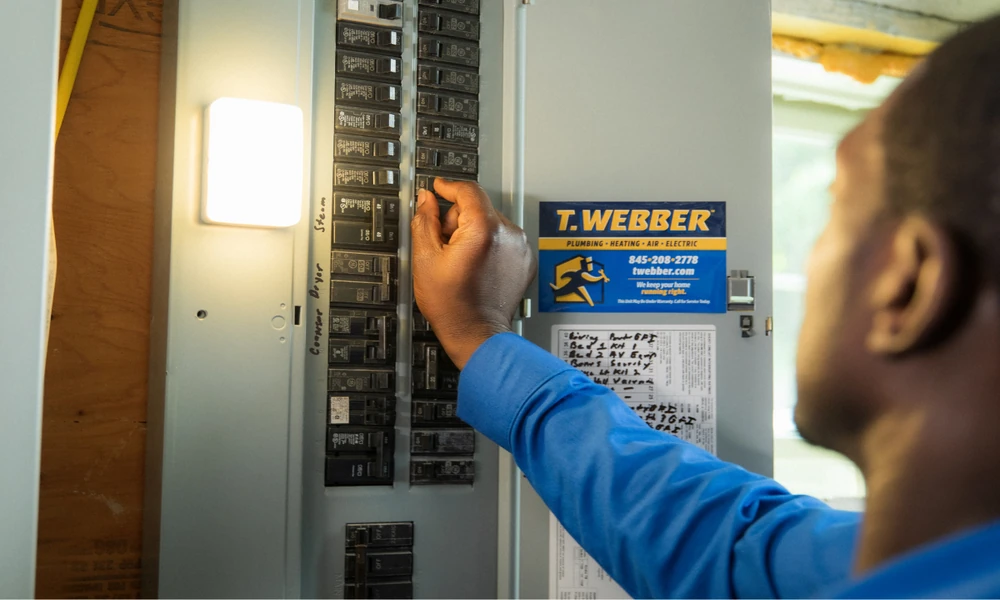
During an inspection, an electrician can evaluate the accessible electrical panel, service equipment, breakers, grounding and bonding components, and visible wiring for signs of problems.
Some issues worth investigating include:
- Panel deterioration: Rust, corrosion, water staining, physical damage, or other signs that the equipment has been exposed to moisture.
- Improper breaker installations: Breakers that are incorrectly sized, incompatible with the panel, or otherwise improperly installed.
- Evidence of overheating: Discoloration, melted insulation, damaged components, or visible heat-related deterioration.
- Grounding and bonding concerns: Accessible components that appear damaged, missing, or improperly configured.
- Insufficient electrical capacity: A service or panel that may not accommodate the property’s existing loads or planned additions.
A panel with available breaker spaces does not automatically have enough capacity for additional equipment. The property’s electrical demand, service rating, conductor sizes, and other relevant factors must be evaluated together.
For example, a buyer planning to add a large air compressor, welding equipment, an electric vehicle charger, or a second HVAC system may need more electrical capacity than the property currently provides.
An electrician can help determine whether the existing service appears suitable for the intended use or whether a more detailed load calculation or service upgrade should be considered.
2. Inspect Electrical Feeders Serving Detached Buildings
One of the most important differences between an acreage property and a typical residential lot is the distance between buildings.
A detached workshop, barn, garage, or guest house may receive electricity through a feeder that runs aboveground, underground, or through an accessible raceway system. These feeders and their associated equipment should be part of the inspection.
An electrician can examine accessible portions of the installation for damaged insulation, deteriorated conduit, exposed conductors, loose or damaged equipment enclosures, and other visible concerns.
The inspection may also consider how the feeder enters each building, whether the wiring appears appropriately protected, and whether accessible disconnecting equipment is in suitable condition.
For example, imagine purchasing a Dripping Springs property with a large metal workshop behind the main residence. The workshop has lights and several receptacles, but the electrical feeder runs through an aging conduit near a driveway.
The lights work, so everything appears fine during the initial walkthrough. However, visible damage to the conduit or signs of moisture at an electrical enclosure could indicate a problem that deserves further investigation.
Working lights and receptacles do not establish that an electrical installation is safe, properly sized, or compliant with applicable requirements.
The same principle applies to barns, detached garages, and guest houses. Every structure that receives power deserves attention, particularly when the wiring has been exposed to weather or physical damage.
3. Examine Outdoor Wiring, Conduit, Disconnects, and Receptacles
Outdoor electrical equipment has to withstand conditions that interior equipment generally avoids. Sun exposure, rain, humidity, temperature changes, landscaping work, and accidental impacts can all affect accessible wiring and equipment over time.
During an inspection, an electrician can look for problems involving:
- Damaged or deteriorated exterior conduit.
- Wiring exposed to physical damage or weather.
- Cracked or deteriorated electrical enclosures.
- Missing or damaged enclosure covers.
- Corrosion around disconnects and electrical connections.
- Exterior receptacles with damaged covers or other visible defects.
- Signs that outdoor equipment may not be appropriately rated for its location.
Outdoor receptacles also deserve particular attention. Depending on their location and application, they may require ground-fault circuit-interrupter (GFCI) protection, weather-resistant devices, and appropriate weatherproof covers.
A receptacle near a workshop entrance, for example, may be used for power tools, pressure washers, or holiday lighting. A receptacle near a barn might supply maintenance equipment or temporary work lights.
If these devices are damaged or inadequately protected, they may create an electrical shock hazard.
An electrician can evaluate accessible installations and determine what corrective work may be appropriate. Buyers should avoid assuming that an outdoor installation is safe simply because it has remained in service for years.
4. Look for Damaged Wiring and Electrical Equipment in Outbuildings
Outbuildings often experience harder use than the main residence. Workshops may contain power tools, compressors, saws, welders, and extension cords. Barns may have fans, pumps, lighting, and equipment that operates in dusty or damp conditions.
These environments can expose electrical installations to physical impacts, vibration, moisture, and other sources of deterioration.
A visual inspection may identify exposed wiring, damaged insulation, broken boxes, deteriorated receptacles, or electrical equipment that appears improperly installed.
In a workshop, for instance, wiring may have been damaged when shelving was installed or equipment was moved. In a barn, a cord or conductor may have been exposed to animals, stored materials, or cleaning equipment.
Look for warning signs such as:
- Frayed, cracked, or visibly damaged wiring.
- Missing electrical box covers.
- Receptacles or switches that are loose or broken.
- Scorch marks or evidence of overheating.
- Equipment exposed to moisture or corrosive conditions.
- Improvised wiring or extension cords being used as permanent installations.
These observations do not necessarily establish the full extent of a problem, but they can help identify areas requiring professional assessment.
Buyers should also ask about the history of additions to older outbuildings. A building that has been expanded several times may contain electrical work completed under different conditions or by different installers.
5. Evaluate Electrical Connections Serving Well Pumps and Water Systems
Private wells are common on some acreage properties around Dripping Springs and the surrounding Texas Hill Country. When a property relies on a well, electricity becomes essential to everyday water access.
A well pump may supply water to the residence, irrigation system, livestock watering points, or other parts of the property. Related equipment may include pressure controls, pump controllers, disconnects, and electrical connections near the water system.
An electrician can examine accessible electrical components for signs of damage, corrosion, improper enclosures, deteriorated wiring, and other potential concerns.
Water and electricity require particular care around one another. Electrical equipment exposed to moisture or installed in unsuitable locations can present serious safety hazards.
It is also worth asking the seller whether the well pump has experienced recurring electrical problems. Frequent breaker trips, unusual noises associated with starting, or repeated pump failures may warrant further investigation.
These symptoms do not automatically indicate an electrical defect; mechanical wear, water-system problems, and other causes may also be involved.
Depending on the findings, evaluating the system may require coordination between a licensed electrician and a qualified well or pump contractor.
If the property also includes a pool pump, irrigation pump, water treatment equipment, or a separate pressure system, those electrical installations should not be overlooked.
6. Check Electrical Systems Serving Gates and Other Property Equipment
An electric entrance gate can be a major convenience for a rural or semi-rural property. However, its motor, controls, sensors, lighting, and power supply need to be considered during an electrical inspection.
The same is true of other powered property features, including irrigation controllers, outdoor kitchens, security equipment, and certain agricultural systems.
An electrician can evaluate accessible wiring, disconnects, enclosures, and power connections serving these installations.
Particular attention may be appropriate where wiring crosses driveways, follows fences, runs near landscaping, or passes through areas where vehicles and equipment operate.
For example, a gate opener may still function even when its power supply or enclosure shows signs of weather exposure. Similarly, a damaged conduit near a driveway might go unnoticed until maintenance work or heavy rain makes the problem more apparent.
The inspection should also consider whether separate equipment appears to have been added without an adequate assessment of the electrical system’s capacity.
If a gate, workshop, and outdoor lighting system all depend on a long feeder from the main house, a qualified electrician can help evaluate whether the arrangement is appropriate for the connected loads.
7. Understand Voltage Drop on Long Feeder Runs
Distance is another important consideration on acreage properties.
When electricity travels through a conductor, the conductor’s resistance causes some voltage to be lost along the way. This is known as voltage drop. Longer wire runs and higher electrical loads can increase the amount of voltage drop, while conductor size and other installation factors also influence the result.
A detached workshop located several hundred feet from the main house may have different electrical requirements from a garage located just a few feet away.
Potential warning signs can include equipment that struggles to start, lighting that dims noticeably when machinery operates, or recurring performance issues under heavier loads. However, these symptoms can have several possible causes and do not prove that voltage drop is responsible.
A professional assessment may involve checking the feeder’s length, conductor size, connected loads, equipment specifications, and measured electrical conditions.
This is particularly important if the property owner plans to install a welder, air compressor, large motor, electric vehicle charger, or other equipment with significant electrical demand.
A feeder that was suitable for basic lighting and a few receptacles may not be appropriate for a future high-demand workshop.
Identifying these concerns before closing can help buyers estimate the potential cost of electrical improvements instead of discovering the limitations after moving in.
8. Inspect Outdoor Lighting, Security Systems, and Detached Structure Power
Acreage properties often have more extensive outdoor electrical systems than conventional residential homes.
Driveway lights, barn lighting, motion-activated security lights, cameras, and illuminated entrances may all depend on wiring installed across the property.
During an inspection, an electrician can examine accessible wiring, fixtures, connections, and controls for deterioration or other visible problems. Where practical, the inspection can also help identify systems that do not appear to operate as intended.
Buyers should pay particular attention to lighting and security equipment installed near trees, fences, gates, and other exposed locations.
Over time, branches can damage wiring, landscaping work can disturb underground installations, and weather exposure can affect outdoor fixtures and electrical enclosures.
If the property has security cameras or a gate system, ask the seller which areas are covered and whether any equipment has experienced recurring power interruptions.
The inspection may also identify opportunities to improve lighting around workshops, parking areas, walkways, and outbuilding entrances.
These improvements can be planned after the purchase, but understanding the existing electrical infrastructure helps establish what may be required to support them.
9. Watch for Storm Damage, Water Intrusion, and Unprofessional Modifications
Central Texas properties can experience severe thunderstorms, strong winds, heavy rainfall, and periods of intense heat. Outdoor electrical installations may be affected by these conditions, particularly when equipment is older or exposed.
When evaluating an acreage property, look for visible evidence of water intrusion, rust, corrosion, damaged enclosures, deteriorated wiring, or physical impacts to electrical equipment.
Also consider whether the property has a history of storm damage or repairs involving its electrical system.
Some modifications may look functional without being appropriately installed. Examples include exposed splices, unsupported wiring, improvised connections, or extension cords used to supply permanent equipment.
A previous owner may have added power to a shed or workshop without considering conductor sizing, circuit protection, grounding, or the requirements for a separate building.
A visual inspection cannot establish every concealed condition, and not every unusual-looking installation is necessarily defective. Nevertheless, visible warning signs should be documented and evaluated by a qualified professional.
If an electrician identifies a concern, ask whether further testing or a more detailed evaluation is necessary before deciding how to address it.
10. Plan for Future Workshops, Casitas, and Backup Generators
One advantage of purchasing acreage is the opportunity to develop the property over time.
You may eventually want to build a larger workshop, add a casita for guests or family members, install an electric vehicle charger, expand outdoor lighting, or improve the property’s backup power capabilities.
Those plans should influence how you evaluate the existing electrical infrastructure.
For example, a buyer who intends to convert a basic storage building into a woodworking shop may need substantially more electrical capacity. A future guest house could require a separate feeder, additional load calculations, and other electrical planning.
A standby generator or portable generator connection also requires careful consideration. Depending on the equipment and installation, the project may involve transfer equipment, an approved interlock arrangement where applicable, proper grounding and bonding, and suitable connections.
Generator systems must be installed to prevent dangerous backfeeding into utility lines and to ensure that the equipment operates as intended. Improvised generator connections can endanger occupants, utility workers, and others.
Before purchasing a property with expansion plans in mind, discuss the intended improvements with a licensed electrician. A professional can assess the existing setup and identify possible upgrades or limitations.
That information may be useful when developing a renovation budget or deciding whether the property fits your long-term plans.
11. Is DIY Electrical Work a Good Idea on an Acreage Property?
Some property owners enjoy handling their own repairs and improvements. Tasks such as organizing a workshop, replacing non-electrical hardware, or maintaining landscaping can be reasonable do-it-yourself projects.
Electrical installations are different, particularly when they involve service equipment, feeders between buildings, underground wiring, well pumps, or high-demand machinery.
A small wiring mistake can create hazards that are not immediately apparent. Incorrect conductor sizing, inadequate overcurrent protection, poor grounding and bonding, or unsuitable outdoor equipment can contribute to electric shock, fire, or equipment damage.
Work involving a detached building can be especially complicated because the installation may need to account for feeder sizing, grounding and bonding requirements, disconnecting means, underground burial requirements where applicable, and the conditions of the installation.
Texas licensing requirements also matter. Texas regulates electrical contracting and electrician licensing, and applicable requirements depend on the work being performed. Homeowners should not assume that owning a property automatically authorizes every type of electrical work. Before beginning a project, verify the applicable rules and permit requirements with the Texas Department of Licensing and Regulation and the relevant local authority.
For substantial electrical installations or modifications, hiring a properly licensed electrical contractor is the prudent approach.
This is especially true for work involving:
- Main service panels and service upgrades.
- New feeders to detached garages, barns, or workshops.
- Underground electrical installations.
- Well pumps and other equipment near water.
- Generator connections and transfer equipment.
- New circuits for high-demand machinery.
- Electrical repairs following storm damage or water intrusion.
A homeowner can still be involved in the planning process. You can identify how you intend to use each building, list the equipment you expect to operate, and ask for estimates before committing to a project.
However, avoid opening electrical panels, handling exposed conductors, or attempting energized troubleshooting. Leave potentially hazardous conditions to qualified professionals.
When choosing an electrician, ask about the contractor’s Texas licensing, insurance, experience with detached structures, and familiarity with the type of equipment on your property.
For buyers in the Dripping Springs area, Tejas Electric can be a resource to discuss electrical inspection needs and potential improvements before or after a property purchase.
12. Why Checking Only the Main House Is Not Enough
A quick look at the main electrical panel may tell you something about the home’s electrical system, but it cannot tell the whole story of an acreage property.
The electrical infrastructure may extend across a large area and include several independent buildings, outdoor circuits, pump systems, gates, lighting installations, and equipment connections.
Some components may be relatively new, while others may have been installed decades earlier. Repairs may have been made at different times, and not every improvement will necessarily be reflected in the home’s original records.
For this reason, buyers should consider the electrical needs of the entire property rather than focusing exclusively on the residence.
A useful starting checklist includes:
- Main service equipment and accessible electrical panels.
- Feeders and disconnects serving detached structures.
- Accessible exterior wiring and conduit.
- Workshop, barn, garage, and guest house electrical systems.
- Well pumps and other powered water equipment.
- Electric gates, security systems, and outdoor lighting.
- Visible evidence of corrosion, water intrusion, or storm damage.
- Electrical capacity for planned additions and equipment.
The scope of any inspection should be discussed in advance. Concealed wiring, inaccessible equipment, and certain specialized systems may require additional evaluation beyond a standard visual inspection.
Make a More Informed Purchase With an Electrical Inspection
Buying acreage in Dripping Springs can open the door to a different way of living, whether you want room for a workshop, space for family and guests, or simply more land to enjoy.
But before taking ownership, it pays to understand the condition of the property’s electrical infrastructure. Problems involving an aging panel, a damaged feeder, a deteriorated outdoor disconnect, or an improperly modified outbuilding can affect both safety and future project costs.
A professional inspection can help identify visible concerns, highlight areas that need further evaluation, and provide a clearer picture of the work that may be necessary.
Tejas Electric serves homeowners in Dripping Springs and surrounding Central Texas communities who need help evaluating electrical systems and planning residential electrical improvements. Whether you are purchasing an existing home, preparing a rental property, or considering upgrades to a detached workshop, a qualified electrician can help you make decisions based on the property’s actual electrical needs.
Before you close on that Dripping Springs acreage property, look beyond the house. Understanding how power reaches the barns, gates, workshops, well systems, and other structures can help you plan more confidently and avoid overlooking important electrical concerns.
