

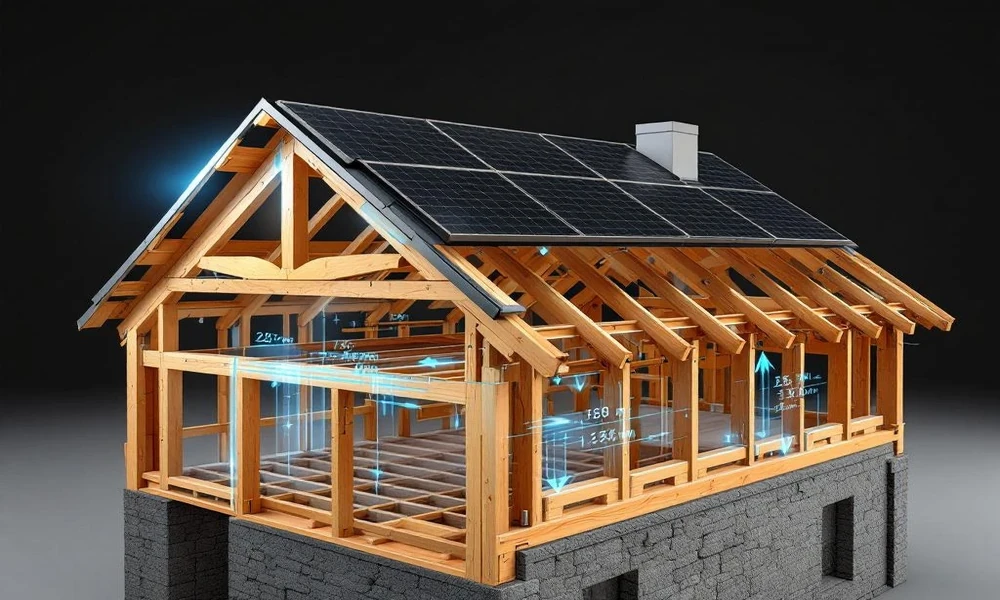
Rooftop solar and a new roof are often discussed as separate projects, but they share the same square footage. Solar panels can last decades, and the roof under them has to last just as long or be replaced at a cost that includes taking the array off and putting it back. Getting the order wrong can mean paying twice for work that should have been done once. Here is how to think through the timing, starting with why the order matters and moving through the situations homeowners most often find themselves in.
Why the order matters
The U.S. Department of Energy makes the case plainly in its article on replacing your roof and adding solar. It notes that solar panels last about 25 to 30 years, similar to the lifetime of many roofs, and that doing both projects at the same time avoids having to reinstall panels after a roof replacement. It also points out that a new roof can bring added energy benefits, especially if the roof is reflective.
The logic is simple. A roof can only be replaced properly when the material under the panels is accessible, which means the panels and their mounting hardware must come off first. That detour adds cost, time, and risk to the job.
Your roof’s remaining life sets the schedule
The first number to know is how many good years your roof has left. Roof lifespans vary with materials, installation quality, and weather, so a professional assessment beats a guess. If the roof is near the end of its life, replacing it before solar goes on is usually the better path.
Homeowners planning roof replacement in Travis, Williamson, or nearby counties should ask the roofer to inspect the decking, flashing, and ventilation along with the surface, because those parts matter when panels will be mounted above them. Ask for a written estimate of the roof’s remaining life and a photo record of its condition, which a solar installer can use when designing the system.
If your roof is fairly new and solar is coming soon
When the roof has many years left, the main task is coordination. Ask the solar installer to show where mounts will be placed and how they will be flashed and sealed, since every mount is a hole in the roof. Ask the roofer who installed the roof whether the warranty stays valid with panels attached, and who is responsible if a leak appears near a mount. Get the answers in writing before you sign either contract.
If your roof is older and solar is planned
This is the situation where the order matters most. If the roof will need replacing within a decade or so, it generally makes sense to replace it first or at the same time as the solar installation. Installing panels on a roof that is nearing the end of its life sets you up to pay for removal and reinstallation later. Consumer Reports, citing the National Roofing Contractors Association, advises that a roof and PV system installed together should have roof service life at least as long as the solar components, and that if the roof might need replacement during the panels’ working life, the contract should spell out the cost of removing and reinstalling them.
If solar is a maybe, not a plan
You do not have to decide about solar today to replace your roof wisely. Ask your roofer about options that keep the door open, such as using durable materials, keeping the roof surface in good shape, and documenting the installation. A roof with a clean layout and a reasonable amount of unobstructed space gives a future solar installer more to work with. Trees that shade the roof, the direction the roof faces, and available space all affect how well solar would work, and a solar professional can assess them when you are ready.
If panels are already on your roof
Some homeowners find themselves with panels and an aging roof. In that case, the panels and mounting system must be removed so the roof can be replaced. The Department of Energy notes in its guidance on replacing rooftop solar that some homeowners use this moment to upgrade their panels, and that if a roof replacement is a few years off, it may make sense to keep the existing system until then.
Plan this carefully. Choose a solar installer to detach and reinstall the system, schedule the roofing work so the house is not without power longer than necessary, and make sure both companies understand who is responsible for what. Keep the paperwork for warranties on both the roof and the panels.
Contract details that save headaches
Whichever situation you are in, a few points belong in writing. List who handles the removal and reinstallation of panels and what it costs. State which company is responsible for leaks around mounting points. Confirm how permits and inspections will be handled for both projects. Ask for the roofing scope in detail, including materials, flashing, and ventilation, and for the schedule of work.
Putting the order in order
The best timing for roof and solar work depends on one question: how many good years does your roof have left compared with the panels you plan to install? Get an honest assessment of the roof, decide whether solar is a plan or a possibility, and coordinate the two projects so the roof comes first when it needs to. Have the roofer and the solar installer talk to each other, and put the responsibilities in writing.
If you do that, you avoid the most expensive mistake, which is putting new panels on a roof that cannot outlast them. You also end up with a roof and a solar system that were planned to work together, and that is a better result than two projects that happened to land on the same house.
