

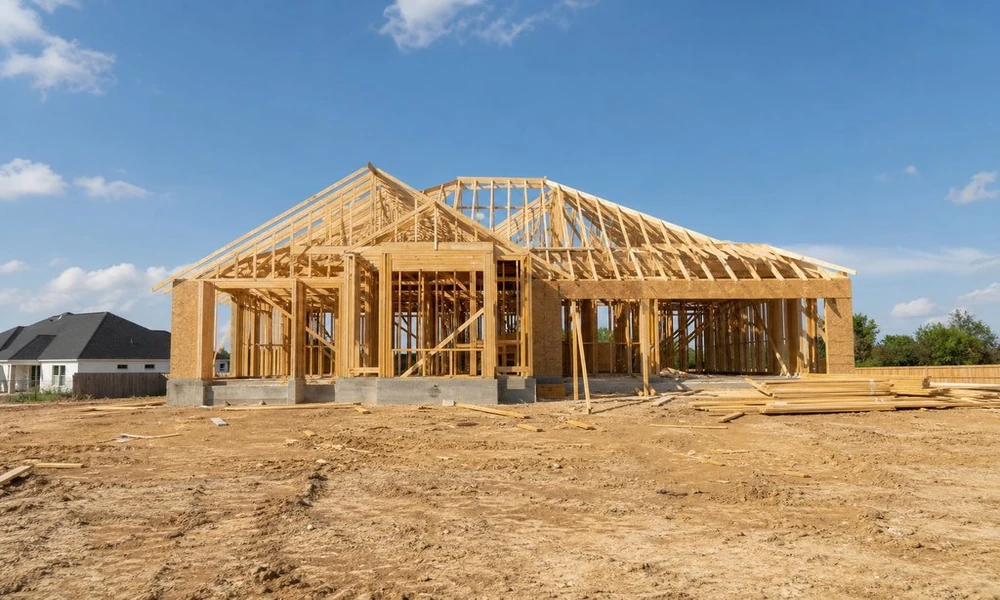
How long does it take to build a new home?
The answer is different for every project, so we’ve created a comprehensive guide to help you understand the process, what you’ll be deciding, how long each step takes, and how to create a timeline for your new Collin County home that works for you.
A Timeline Built Around Your Move-In Date
When we meet with new buyers, we’ll almost always ask if there’s a deadline they’re working toward. Are you trying to be settled before the kids’ new school year starts? Is your lease up? Are you selling your current home? Working backward from a desired move-in date helps us understand what’s possible and create a timeline to get you on track.
If your goal is to be settled into your new home before the fall semester begins, start with your ideal move-in date (not with paint colors or countertop materials). From there, we’ll work together to identify any decisions or actions you’ll need to take early on to pace your build. We’ll talk more about those below!
For example, maybe your Plano lease ends in August and you’d like to move into your new home before then. We’d recommend targeting an early- to mid-August close. That gives you some room for the final inspection to be pushed back a few days if the lender needs additional information, punch-list items, transferring utilities, movers, etc. We’d then build your home’s construction timeline backward from your targeted closing date to ensure each milestone happens on time.
The details of your unique situation will help us understand how aggressive or relaxed your timeline can be: Do you already own your lot? Will you be building a one-of-a-kind floor plan? Have you spoken with your lender, are you ready to move forward with your down payment – www.cnbc.com/select/how-much-down-payment-house is worth a skim, etc.? Is your lot in a community with additional design considerations that may lengthen the process?
What Does Your Lot Need Before Construction?
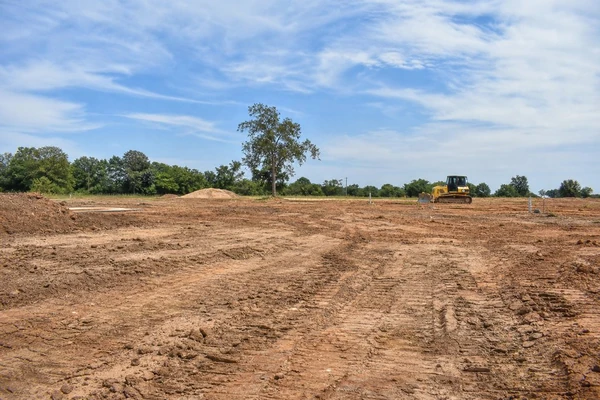
The work that goes into getting your lot ready for construction is an important first step in new home construction. Some sites are ready to go as soon as you get your building permit, while others need grading or soil preparation, utility adjustments, neighborhood review, drainage solutions, driveway access, and more.
Your builder should walk your lot with you before finalizing your home’s location to make sure you understand any setbacks, easements, or other regulations that could impact where you build your home, how wide your driveway can be, where you can create an outdoor living space, etc. We’ll verify setbacks, utility easements, drainage, and other issues before finalizing the location of your home on your lot.
Depending on your builder and the situation, additional deposits could be due during the process. In addition to your home’s base price, lot cost (if you’re purchasing it through your builder), earnest money, design allowance, etc., construction deposits may be due upon groundbreaking, upon completion of certain milestones, etc. Make sure you have a clear understanding of the amount of each deposit, when they’re due, and whether they’re refundable.
Early Decisions Shape the Build
Some decisions are far more important to your build’s timeline than others. Expanding a room’s footprint, adding a garage, raising ceilings, relocating plumbing, adding an outdoor kitchen, larger-than-usual windows, etc. impact the cost of permits, engineering, materials, and labor. Making those decisions before walls are framed avoids costly and time-consuming revisions.
Major Milestones Keep the Schedule Honest
Once you’ve got an idea of the timeline, make sure to align any expiring interest rate locks with a realistic window of completion and understand the cost to extend or potential rate increases if construction drags past your lock’s expiration.
The Final Walkthrough and Closing Calendar
Once the finishings are underway, make sure to schedule a thorough final walkthrough to ensure the house is completed to your satisfaction, checking if the cabinet doors close correctly, if there are nail holes to touch-up in the paint, if the appliances are all functional, if the grade is sloped away from your home to avoid drainage issues, and if all options and selections are correctly installed per your contract. If you don’t walk through every detail at your initial walkthrough, schedule another date for a final look before closing. Don’t schedule your movers to deliver all your stuff the morning after your walkthrough!
Beyond the details of the construction, we’ll create a master calendar to make sure you’ve got all the dates you need to be successful, such as school registrations, giving notice on your current lease, loan-related deadlines, homeowners’ insurance effective date, movers, and utility transfers. The team at Simon Joseph Custom Homes treats that calendar as part of the build, not an afterthought. We recommend creating a contingency fund separate from your down payment and closing costs for unexpected items at closing, design Change Orders, unexpected items that surface during construction (drainage issues, rock removal, etc.), overlap of two homes’ utilities, temporary housing, moving expenses, etc.
- The construction schedule and process for staying on top of milestones.
- The process for making selections, including any deadlines.
- All deposits (earnest money, design, construction, etc.), when they’re due, and whether they’re refundable.
- The process for submitting Change Orders during construction.
- A realistic timeline for closing.
