

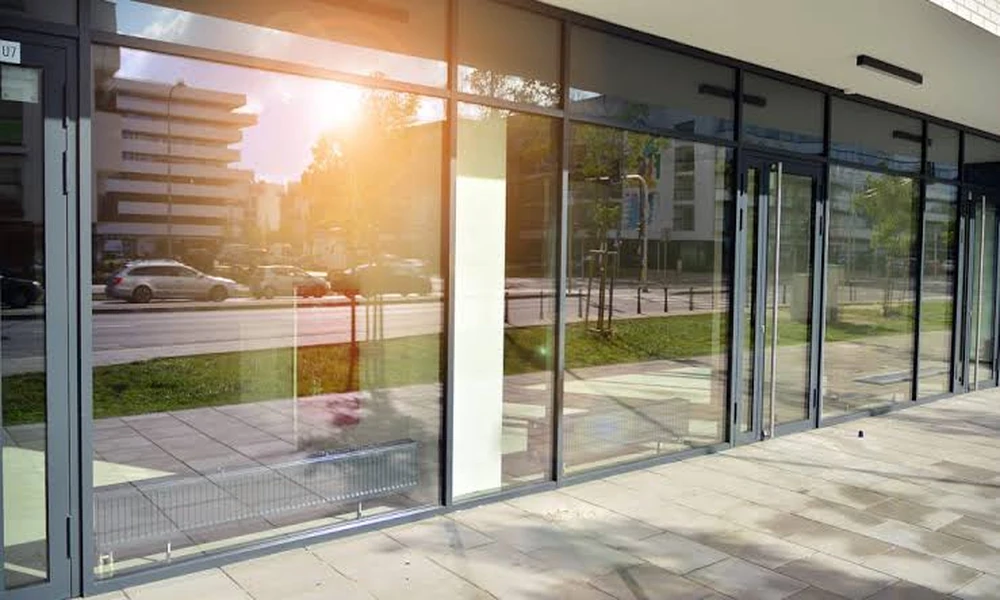
Drafts, water stains, cloudy glass, frame movement, and uneven indoor temperatures often point to a window system that is no longer doing its job. Replacement becomes worth considering once the glass, frame, seals, or surrounding opening can no longer perform reliably as one complete assembly.
Failed Seals Can Turn Insulated Glass Into a Weak Point
Moisture trapped between panes is one of the clearest signs that an insulated glass unit has lost its perimeter seal. Condensation, haze, or mineral deposits inside the unit cannot be wiped away from either surface, and the failed seal can reduce its ability to slow heat transfer. Commercial glass replacement may solve the problem when the frame remains sound, but repeated seal failures across several openings can point toward a larger commercial window replacement project.
Frame Corrosion and Warping Can Undermine the Entire Opening
Corroded aluminum, swollen wood, bent metal, or distorted framing can change how glass sits inside a commercial window. Uneven pressure along the edges may stress the pane, while separated joints can allow air or rainwater into the assembly. Technicians therefore inspect more than the visible crack because installing fresh glass inside a damaged frame may leave the original problem untouched.
Structural movement creates similar trouble even when the frame material remains in decent condition. Settlement, wall movement, repeated expansion and contraction, or loose fasteners can pull a window out of square and make moving sections difficult to close. Complete commercial window replacement may correct the glazing and supporting frame together once the opening can no longer maintain its intended shape.
Persistent Water Intrusion Often Signals More Than Bad Caulk
Leaks around windows are often blamed on old sealant, yet water can enter through failed frame joints, blocked drainage channels, damaged flashing, or gaps where the unit meets the wall. Stains beneath the sill, peeling finishes, damp drywall, or recurring moisture after storms suggest that the source deserves a closer inspection. Proper commercial window installation directs water away from the opening, so replacement work may need to address surrounding connections instead of simply adding another layer of caulk.
Repeated Glass Breakage Can Reveal Hidden Stress
Frequent cracks in the same opening deserve more attention than a single accidental impact. Glass may fracture when a frame pinches the pane, setting blocks shift, hardware moves, or thermal stress develops between areas exposed to different temperatures. Replacing only the broken section may not solve anything if the supporting system continues putting pressure on each new piece.
Pattern and location can provide useful clues about how a break developed. Edge fractures, diagonal cracks, or damage appearing without a known impact may point toward frame movement, improper support, or installation stress. Property owners searching for commercial glass replacement near me can benefit from having the surrounding assembly checked before another pane is fabricated and installed.
Outdated Windows Can Struggle With Modern Building Demands
Older commercial windows can remain intact while performing poorly compared with newer systems. Single-pane glazing, worn weather seals, highly conductive frames, and basic glass may allow greater heat transfer, glare, outside noise, and air movement than occupants expect today. Commercial window replacement may therefore become part of a renovation even without severe physical damage, especially where comfort, appearance, or building efficiency has become a priority.
Air Leaks Can Make Indoor Comfort Harder to Control
Noticeable drafts around a closed window usually mean air is passing through failed seals, loose frame joints, or gaps between the unit and surrounding wall. Rooms near exterior glazing may feel noticeably hotter or colder than interior spaces, leading occupants to adjust thermostats even though the heating or cooling equipment is operating normally. Those temperature differences can point toward problems in the building envelope rather than the HVAC system itself.
Smoke pencils, infrared equipment, pressure testing, and close visual inspection can help identify leakage that is difficult to see. Results may show that replacing a gasket or resealing a joint is enough, while widespread leakage across multiple openings may make full replacement more practical. Well-planned commercial window installation restores the opening as a complete system instead of treating each uncomfortable draft as a separate problem.
Safety, Appearance, and Building Use Can Change Replacement Priorities
Renovations sometimes change what existing windows are expected to do. Former offices may become retail spaces, interior layouts may place people closer to glazing, or older glass may no longer suit the safety needs of a busy walkway. New tint, laminated glass, tempered glass, updated coatings, or different frame configurations may become appropriate as the building’s use changes, even if the original windows have not completely failed.
North Alabama Glass works with commercial properties dealing with failed seals, damaged glazing, worn frames, leaking openings, and other conditions that may lead to commercial window replacement. Their glass services can help determine whether commercial glass replacement is enough for a particular opening or whether replacing the complete window system provides a more suitable fix for the building’s current condition.
