

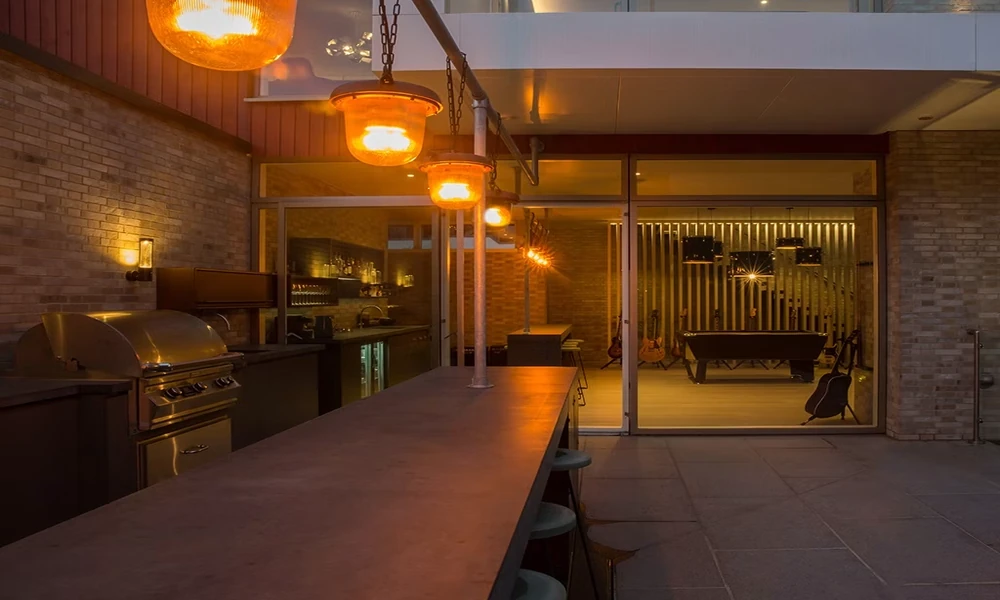
A space illuminated with intent feels different. Lighting can transform a dull room into a striking sanctuary and, when chosen wisely, it can do so while treading lightly on the planet. Yet, picking the right sustainable lighting isn’t just about energy savings or trendiness. The real trick is achieving a harmony between practical performance and head-turning style, all without compromising eco-conscious values.
What Defines Sustainable Lighting and Why Does It Matter?
When we talk about sustainable lighting, we’re referring to fixtures and systems designed to minimize environmental impact throughout their lifecycle. It’s not just about the bulb; it’s about how the product is made, how much energy it uses, how long it lasts, and how it can be disposed of or recycled.
Key Principles Behind Sustainable Lighting
Sustainable lighting leans on several core principles:
– Energy Efficiency: Using less power for the same (or better) illumination.
– Responsible Materials: Relying on recycled, recyclable, or sustainably sourced materials.
– Longevity: Designing fixtures and bulbs to last longer, reducing waste.
– Healthy Lighting: Ensuring lighting supports human well-being, avoiding toxins or flicker.
Environmental and Economic Benefits of Choosing Sustainable Options
Switching to sustainable lighting shrinks your carbon footprint and reduces dependence on nonrenewable energy. Lower power consumption means cost savings on utility bills, and longer-lasting products mean fewer replacements and less waste. Whether it’s a homeowner, a business, or a public institution, the economic case for sustainability is getting stronger every year.
How Can You Balance Functionality with Style in Sustainable Lighting?
A beautiful fixture that fails to light a workspace efficiently is a decorative misstep. On the other hand, an energy-saving overhead lamp that clashes with your décor can feel like a compromise. The best sustainable lighting finds a middle ground.
Understanding the Role of Light Quality and Efficiency
The warmth and clarity of light, measured by color temperature and color rendering index (CRI), impact the look and feel of a space. Sustainable choices now offer a spectrum of options, from cozy, amber-toned LEDs for living rooms to crisp, daylight-mimicking fixtures for kitchens and workspaces.
Design Trends That Marry Aesthetics with Eco-Friendliness
Eco-friendly lighting has come a long way from utilitarian forms. Elegant minimalist pendants, sculptural table lamps, and retro-inspired sconces all now feature recycled metals or reclaimed wood. Designers are prioritizing clean lines and modularity, so a fixture looks timeless while offering easy upgrades.
Materials and Finishes That Support Sustainability Without Compromise
Bamboo, cork, recycled glass, and powder-coated metals are appearing more frequently in lighting designs. These materials offer visual intrigue and tactile warmth while lowering environmental impact. Low-VOC (volatile organic compound) finishes and water-based paints are also key for healthier indoor air.
What Are the Most Effective Sustainable Lighting Technologies Today?
Technological advances have driven the mainstream adoption of sustainable lighting.
LED vs. CFL vs. Halogen: Energy Consumption and Lifespan
Here’s a quick comparison:
| Lighting Type | Energy Use (Watts) | Lifespan (Hours) | Notes |
|—————|——————–|——————|—————————-|
| LED | 7-15 | 15,000-50,000 | Best efficiency, low heat |
| CFL | 13-18 | 8,000-15,000 | Contains mercury |
| Halogen | 35-70 | 2,000-4,000 | Most energy-wasteful |
LEDs clearly set the standard, offering the longest life and lowest energy draw.
Smart Lighting Solutions for Enhanced Functionality
Smart lighting controls, like occupancy sensors and app integration, allow users to adjust intensity, set schedules, or respond to daylight, fine-tuning both energy use and ambiance.
Integrating Renewable Energy Sources with Lighting
Solar-powered outdoor fixtures and systems that tie lighting to home solar panels give users the ability to reduce dependency on the grid.
How to Choose Sustainable Lighting for Different Spaces?
Each area presents unique challenges and opportunities.
Living Areas: Combining Comfort and Visual Appeal
Prioritize adjustable, layered lighting. A mix of floor lamps, dimmable ceiling fixtures, and well-placed sconces lets you create mood while using efficient bulbs and sustainable materials.
Workspaces: Prioritizing Productivity and Energy Efficiency
In home offices or studios, opt for task lighting with high CRI LEDs to reduce eye strain. Desk lamps with recycled aluminum or bioplastics merge function and sustainability.
Outdoor Lighting: Safety, Style, and Sustainability
Solar-powered path lights, motion-activated wall lights, and fixtures made from weatherproof recycled materials offer both safety and curb appeal while reducing energy costs.
What Are the Challenges in Selecting Sustainable Lighting and How to Overcome Them?
Balancing Initial Costs with Long-Term Savings
High-quality sustainable lighting sometimes carries a bigger upfront price tag. However, longer lifespans and energy savings quickly make up the difference.
Addressing Design Limitations Without Sacrificing Sustainability
If off-the-shelf options don’t suit your vision, look for customizable brands or collaborate with design-focused suppliers such as Avant-Scene lighting, who specialize in blending aesthetic innovation with sustainable practice.
Navigating Certifications and Eco-Labels
Seek transparency. Look for third-party certifications like Energy Star, RoHS, or FSC for wood components, which verify sustainability claims.
How to Maintain and Maximize the Life of Sustainable Lighting Fixtures?
Regular dusting and gentle cleaning keep fixtures efficient. When technology advances, upgrading bulb types without discarding whole fixtures reduces waste. At end-of-life, many components (especially from LEDs) are recyclable at certified centers.
Where to Find Reliable Sustainable Lighting Products and Expertise?
Seek out specialty retailers and manufacturers who focus on eco-friendly lighting. Consult with designers, architects, or lighting experts committed to sustainability. Staying subscribed to industry newsletters and blogs makes it easier to catch innovations as they appear.
How Does Sustainable Lighting Impact Overall Interior and Exterior Design?
A thoughtfully lit space sets a tone, frames features, and subtly shifts mood, all while quietly reducing energy use. Smart integration of sustainable lighting doesn’t just support the planet, it enriches daily life. As new materials, smarter controls, and creative collaborations redefine what’s possible, the line between eco-friendly and stylish lighting grows ever fainter, promising a future where sustainability and design are perfectly in balance.
