

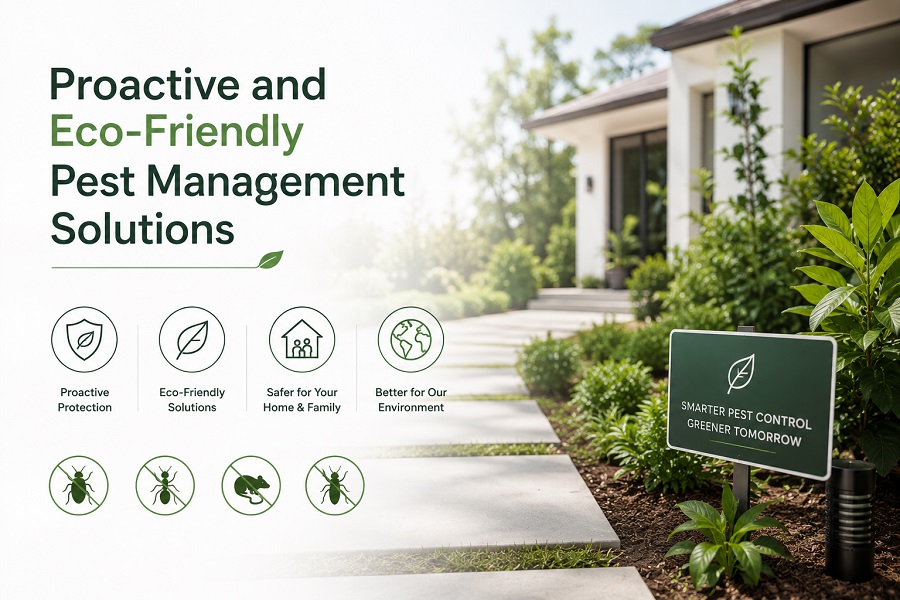
Why Eco-Friendly Pest Management is Essential in Lufkin, TX
The unique climate of East Texas, particularly in areas like Diboll, plays a significant role in the prevalence and persistence of pest issues. Our region experiences a humid subtropical climate, characterized by hot, often sweltering summers and mild, wet winters. This consistent warmth and humidity create an ideal breeding ground for a wide array of pests, leading to year-round activity rather than distinct seasonal outbreaks. Understanding these environmental factors is crucial for developing effective and sustainable pest management strategies that protect both our properties and our precious local ecosystems.
When we consider the long-term health of our families, pets, and the environment, reducing our reliance on harsh chemicals becomes a paramount concern. Eco-friendly pest management focuses on minimizing chemical exposure while maximizing effectiveness. This approach safeguards children and pets from potentially harmful residues, preserves beneficial insects and local wildlife, and prevents chemical runoff into our waterways. It’s about achieving a pest-free environment responsibly, ensuring that the solutions we implement today don’t create new problems tomorrow. For those seeking to understand more about these sustainable practices, diving into the nuances of Eco-friendly pest control Diboll can provide deeper insights into local solutions.
The Core Principles of Eco-Friendly Pest Management
At the heart of eco-friendly pest management lies a commitment to understanding pest biology and behavior to implement solutions that are both effective and environmentally sound. This approach moves beyond simply spraying pesticides and instead embraces a holistic strategy built on several core principles:
- Habitat Modification: This involves altering the environment to make it less hospitable for pests. Simple changes, such as removing standing water sources that attract mosquitoes, sealing cracks and crevices that serve as entry points for rodents and insects, and maintaining clean, clutter-free spaces, can significantly reduce pest populations. By eliminating food, water, and shelter, we naturally deter pests from taking up residence.
- Biological Controls: While less common in typical residential settings than in agriculture, biological controls involve using natural enemies or processes to manage pest populations. For instance, encouraging birds or beneficial insects to thrive in a garden can help keep certain pest insect populations in check without chemical intervention. In a broader sense, understanding and protecting the natural predatory balance within our local ecosystem contributes to overall pest reduction.
- Moisture Management: Given Diboll’s humid climate, controlling moisture is a critical eco-friendly strategy. Pests like termites, cockroaches, and mosquitoes thrive in damp conditions. Addressing leaky pipes, improving drainage around foundations, ensuring proper ventilation in crawl spaces and attics, and preventing water accumulation in yards are all vital steps. Effective moisture management removes a primary attractant and breeding ground for many common pests.
- Targeted Treatments: Instead of broad-spectrum chemical applications, eco-friendly methods prioritize targeted treatments. This means identifying the specific pest, its harborage areas, and its entry points, then applying the least toxic, most effective solution directly to the problem area. This might involve baits, gels, or dusts that are contained and pose minimal risk to non-target organisms, rather than widespread sprays. This precision minimizes the overall use of chemicals and their potential impact on the environment.
- Environmental Stewardship: These principles are guided by a philosophy of environmental stewardship. It’s about recognizing our responsibility to protect the natural world around us while still ensuring comfortable and safe living and working spaces. This means choosing methods that are sustainable, considering the long-term impact of our actions, and continuously seeking innovative ways to manage pests with minimal ecological footprint.
How Climate Influences Eco-Friendly Pest Management Decisions
Diboll’s climate is a dominant force shaping pest activity and, consequently, our approach to pest control. The region’s humid subtropical characteristics mean that pest pressures are not confined to a single season but are a year-round concern, albeit with shifting priorities.
Our hot summers, with temperatures frequently ranging from 80°F to 95°F, create an explosion of insect activity. Mosquitoes, fire ants, and various species of cockroaches thrive in the heat and humidity. This period demands intensive strategies for outdoor pest management, focusing on standing water reduction for mosquitoes and targeted treatments for aggressive fire ant colonies. The heat also drives many insects indoors seeking cooler, shaded environments, necessitating robust interior exclusion and monitoring.
Conversely, our mild winters, where temperatures typically hover between 40°F and 65°F, do not offer a complete reprieve. While some insect activity may slow, many pests, especially rodents and spiders, actively seek warmth and shelter inside homes and businesses. This seasonal shift requires a focus on exclusion techniques, ensuring all potential entry points are sealed, and implementing indoor trapping or baiting systems as needed. The consistent humidity, even in cooler months, continues to support pests that rely on moisture.
Rainfall patterns throughout the year also significantly influence pest breeding cycles. Abundant rain can lead to increased standing water, exacerbating mosquito problems. It can also drive subterranean termites to build mud tubes higher up structures as they seek moisture and food sources. Understanding these rainfall cycles allows pest control professionals to anticipate pest surges and implement preventative measures before infestations become severe.
These dynamic climatic conditions underscore why a “one-size-fits-all” approach to pest control is ineffective in Diboll. Instead, successful eco-friendly pest management relies on continuous monitoring, seasonal adjustments, and a deep understanding of how local weather patterns impact pest behavior. This allows contractors to tailor their strategies, ensuring maximum effectiveness with minimal environmental impact, adapting treatments to the specific challenges presented by Lufkin and Diboll’s unique environment.
Proactive Strategies for High-Risk East Texas Pests
[Image: A professional pest control technician, wearing a headlamp and protective gear, carefully inspects a wooden beam in a dimly lit crawl space. They are pointing to a subtle sign of termite activity, demonstrating meticulous attention to detail during a termite inspection. The scene conveys expertise and thoroughness.]
In East Texas, certain pests pose particularly high risks to property owners, demanding proactive and specialized attention. Subterranean termites, for instance, are a silent but devastating threat. They can cause billions of dollars in structural damage annually across the country, and Diboll is certainly no exception. These wood-destroying insects can compromise the structural integrity of homes and businesses long before their presence is even detected. Rodents, including rats and mice, are not just a nuisance; they can spread diseases, contaminate food, and chew through electrical wiring, creating fire hazards. Mosquitoes, thriving in our humid climate, are vectors for serious illnesses like West Nile and Zika viruses, making their control a public health imperative. And the aggressive fire ants, notorious for their painful stings, can make outdoor spaces unusable.
Addressing these high-risk pests effectively requires more than just reactive treatments; it demands proactive strategies rooted in prevention and integrated management. As a family-owned business, we understand the importance of protecting your home, your health, and your peace of mind. Our values guide us in providing solutions that are not only powerful against pests but also safe for your loved ones and the environment.
Eco-Friendly Termite and Rodent Exclusion
For pests that cause significant structural damage or pose serious health risks, exclusion is often the most effective and eco-friendly first line of defense.
Termites: Preventing subterranean termites from accessing your property is crucial. Eco-friendly termite management often begins with physical barriers. This can involve applying sand barriers or stainless steel mesh around foundations during construction or renovation to deter termites. For existing structures, a comprehensive inspection by a licensed contractor is the first step. They look for signs like mud tubes, hollow-sounding wood, and discarded wings. Once identified, treatments may include non-toxic baiting systems that termites carry back to their colony, effectively eliminating the source without widespread chemical application. Another method is creating liquid barriers using reduced-risk termiticides applied precisely to the soil around the foundation, creating a protective zone. The goal is to safeguard your home’s structural integrity with minimal environmental impact.
Rodents: Rodent exclusion is paramount to preventing infestations. This involves meticulously sealing entry points around your home or business. Rodents can squeeze through incredibly small openings – mice through a dime-sized hole and rats through a quarter-sized one. Professionals will inspect and seal gaps in foundations, around utility lines, pipes, and vents, and ensure doors and windows fit snugly. They may also install mesh screens over openings like attic vents or chimney caps. For active infestations, non-toxic baits and traps are strategically placed in secure, inaccessible locations, minimizing risk to children and pets. This comprehensive approach focuses on making your property impenetrable to rodents, protecting against contamination and damage.
Seasonal Mosquito and Fire Ant Control Solutions
Our East Texas climate makes seasonal control of mosquitoes and fire ants a necessity for enjoying outdoor spaces safely.
Mosquitoes: Effective mosquito control hinges on standing water reduction. Mosquitoes lay their eggs in stagnant water, so eliminating these breeding sites is the most eco-friendly and impactful strategy. This means regularly emptying bird baths, cleaning gutters, removing old tires, and ensuring proper drainage in your yard. For added protection, many pest control companies offer seasonal mosquito packages. These typically involve targeted treatments of resting areas (like dense foliage) with environmentally responsible products and the application of larvicides to inaccessible standing water sources. These programs are often available as ongoing services, with some starting at competitive rates like $69 per month, ensuring continuous protection throughout the peak mosquito season.
Fire Ants: Fire ants are a pervasive problem in Diboll, and their aggressive nature and painful stings require specialized treatment. Eco-friendly fire ant control often involves a two-pronged approach. First, individual mounds can be treated with targeted baits that the worker ants carry back to the colony, eventually eliminating the queen. Second, for broader protection, some companies offer fire ant treatments with a 1-year guarantee, applying granular baits across the lawn that provide long-lasting control. These products are designed to be highly attractive to fire ants while having minimal impact on other wildlife. Regular yard maintenance, including mowing and keeping vegetation trimmed, also helps reduce attractive habitats for these pests.
To help residents understand the commitment required for effective pest management, especially for these high-risk seasonal pests, consider the differences between one-time treatments and ongoing maintenance.
Feature One-Time Treatment Ongoing Maintenance Plan Focus Immediate elimination of existing infestation Long-term prevention and continuous control Pest Scope Specific pest issue (e.g., a single fire ant mound) Broad spectrum of common pests, seasonal shifts Effectiveness Addresses current problem, but pests may return Consistent protection, reduces recurrence risk Cost Typically higher per visit, but fewer visits Lower per visit, but regular scheduled visits Proactive/Reactive Reactive Proactive Suitability Minor, isolated issues Persistent problems, high-risk areas, peace of mind Choosing an ongoing maintenance plan, particularly in a pest-friendly climate like Diboll’s, often proves more cost-effective and provides greater peace of mind in the long run.
Selecting a Reputable Local Pest Control Contractor
[Image: A friendly, professional pest control technician, wearing a clean, branded uniform (without identifiable logos), stands confidently in front of a modern service vehicle (unbranded). They are holding a clipboard and smiling, ready to engage with a homeowner. The setting is a well-maintained residential driveway in Diboll, TX, conveying trust and reliability.]
When facing a pest problem, choosing the right pest control company is a critical decision. In Diboll, TX, where local expertise and a community-focused approach are highly valued, selecting a reputable local contractor offers distinct advantages. These companies often possess an intimate understanding of the specific pest challenges unique to our area, from the behavior of East Texas termites to the seasonal patterns of local mosquito populations.
A key indicator of professionalism and reliability is proper licensing. We always recommend verifying that any contractor you consider is licensed by the Texas Department of Agriculture, which oversees pest control regulations in the state. This ensures that technicians are trained, knowledgeable, and adhere to state-mandated safety and application standards. Beyond licensing, look for companies that embody strong values, such as the Christian values often upheld by local businesses like Spot On Pest Control, LLC. Such companies typically prioritize honesty, integrity, and customer satisfaction, building community trust through reliable service. For immediate assistance or to learn more about their services, reaching out to dedicated professionals at (936) 398-8381 can be a great starting point.
What to Look for in a Licensed Professional
Making an informed choice requires looking beyond just the initial quote. Here are key factors to consider when selecting a licensed pest control professional:
- Verified Reviews and Reputation: Check online platforms for customer testimonials and ratings. An average homeowner rating for pest control professionals in Diboll, TX, is around 4.4 stars based on verified reviews, indicating a high standard of service that reputable companies should strive for or exceed. Look for consistent positive feedback regarding effectiveness, professionalism, and customer service.
- Written Guarantees or Warranties: A reputable company stands behind its work. Inquire about their guarantees. Do they offer free re-treatments if pests return within a certain period? What are the terms of their warranty, especially for significant issues like termite control? Clear, written guarantees provide peace of mind and demonstrate confidence in their services.
- Emergency Response Times: Pest emergencies, such as a wasp nest near a doorway or a sudden rodent infestation, require prompt attention. Ask about their emergency response capabilities. How quickly can they dispatch a technician to your Diboll, TX, property? Many reliable contractors offer same-day or next-business-day service for urgent situations.
- Eco-Friendly and Integrated Pest Management (IPM) Solutions: As discussed, a commitment to eco-friendly practices and IPM principles is a hallmark of modern, responsible pest control. Ask about their methods, the types of products they use, and how they prioritize safety for children, pets, and the environment.
- Financing Availability: Pest control services, especially for extensive issues like termite treatments, can be a significant investment. Inquire if the company offers flexible payment options or financing plans to help manage the cost, making essential services more accessible.
Homeowner Preparation Steps Before a Service Visit
To ensure the safety and effectiveness of your pest control service, a few preparation steps can make a significant difference. These actions help the technician perform their job thoroughly and protect your household:
- Food Storage: Before any interior treatment, store or cover all food items, dishes, and utensils. This prevents any accidental contact with pest control products.
- Pet Safety: Secure pets in a separate room, a crate, or arrange for them to be away from the property during the service. Ensure pet food and water bowls are covered or removed.
- Clearing Access: Move furniture slightly away from walls to allow technicians easy access to baseboards, corners, and other treatment areas. Clear items from under sinks, in closets, and around areas where pests are commonly seen.
- Trimming Vegetation: For exterior treatments, trim back any dense vegetation, bushes, or tree branches that are touching the home’s structure. This creates a clear perimeter for application and reduces pest harborage areas close to the house.
- Open Communication: Be prepared to point out specific areas where you’ve seen pest activity. Your observations are invaluable to the technician in targeting their efforts.
- Aquarium Covering: If you have an aquarium, cover it completely and turn off the air pump during interior treatments to protect aquatic life.
Following these simple steps ensures a smoother, more effective, and safer pest control experience for everyone involved.
Frequently Asked Questions About Eco-Friendly Pest Control
As homeowners and business operators in Diboll, TX, we often have questions about the safety, efficacy, and methodology behind pest control services, especially when considering eco-friendly options. Here, we address some of the most common inquiries to help you make informed decisions.
What is Integrated Pest Management (IPM)?
Integrated Pest Management (IPM) is a comprehensive, common-sense approach to pest control that is widely recognized by the Environmental Protection Agency (EPA) as the gold standard. It’s not a single pest control method but a multi-faceted strategy that combines various techniques to manage pest populations effectively while minimizing risks to people and the environment.
The core of IPM involves:
- Pest Identification: Accurately identifying the pest species to understand its biology and habits.
- Monitoring: Regularly inspecting and tracking pest activity to determine population levels and treatment thresholds.
- Prevention: Implementing proactive measures like sanitation, exclusion (sealing entry points), and habitat modification to deter pests.
- Control: When necessary, using targeted control methods, prioritizing non-chemical options (e.g., traps, biological controls) first. If pesticides are required, they are selected based on their efficacy, low toxicity, and environmental impact, and applied precisely.
IPM focuses on long-term prevention and sustainable solutions, reducing reliance on chemical pesticides and promoting overall ecological balance. It’s about finding the root cause of the infestation and addressing it holistically, rather than just treating the symptoms.
Are eco-friendly treatments safe for children and pets?
Yes, the safety of children and pets is a top priority for reputable pest control companies utilizing eco-friendly and IPM principles. These treatments are designed with family-focused safety in mind.
Here’s how safety is ensured:
- EPA-Registered Products: Eco-friendly treatments often use products that are registered with the EPA and categorized as reduced-risk. These are rigorously tested for their impact on human and animal health.
- Targeted Applications: Instead of broadcast spraying, technicians apply products precisely to pest harborage areas, cracks, crevices, or exterior perimeters, minimizing exposure to non-target areas where children and pets might play.
- Low-Toxicity Formulations: Many eco-friendly options include baits, gels, or dusts that are contained or applied in areas inaccessible to children and pets. Natural ingredients like botanical oils or insect growth regulators (IGRs) are also commonly used.
- Drying Times and Ventilation: After interior applications, occupants and pets are typically advised to vacate the treated areas for a short period (usually 2-4 hours) to allow products to dry and settle. Proper ventilation is also recommended.
- Professional Expertise: Licensed technicians are trained to apply products according to strict label directions and safety protocols, ensuring the safest possible application for your household.
Always communicate any concerns you have about children or pets to your pest control contractor before service. They can provide specific details about the products used and any necessary precautions.
How quickly do eco-friendly pest treatments work?
The speed at which eco-friendly pest treatments yield results can vary depending on the type of pest, the severity of the infestation, and the specific methods used.
- Immediate Effects: For some pests, you might observe an immediate increase in activity shortly after treatment. This is often because pests are flushed out of their hiding spots by the applied products. For instance, cockroaches might be seen scurrying more frequently as the treatment takes effect.
- Full Effectiveness: Generally, for a comprehensive reduction in pest populations, full effectiveness typically develops over a period of 7 to 14 days. This timeframe allows the products to work through the pest life cycle, affecting not only adult pests but also eggs and larvae, leading to a more thorough elimination. Baiting systems, in particular, require pests to consume and distribute the bait within their colony, which takes time.
- Ongoing Monitoring and Seasonal Adjustments: Eco-friendly pest control emphasizes long-term management. While initial treatments tackle existing problems, ongoing monitoring and seasonal adjustments are crucial for sustained results. Regular follow-up visits ensure that new pest activity is promptly addressed and preventative measures remain effective. For example, mosquito control might require more frequent applications during peak summer months.
Your pest control professional will provide a realistic timeline for results based on your specific situation and the chosen treatment plan. Patience and adherence to their recommendations are key to achieving and maintaining a pest-free environment.
Conclusion
[Image: A pristine, modern home exterior in Diboll, TX, with a lush, well-maintained lawn and garden under a clear blue sky. There are no visible signs of pests or damage, and the overall impression is one of peace, comfort, and security. The image highlights the desired outcome of effective pest control.]
In Diboll, TX, the battle against pests is a continuous one, shaped by our unique climate and rich natural environment. However, with the right approach, achieving a pest-free home or business is not just possible, but sustainable. Proactive protection, rooted in eco-friendly principles and Integrated Pest Management, offers the most effective and responsible path forward. By understanding the common pests, their behaviors, and the influence of our local climate, we can implement strategies that safeguard our properties, protect our families and pets, and preserve the delicate balance of our local ecosystems.
Choosing a local pest control contractor who understands these nuances, operates with transparency, and stands by their work is paramount. Look for professionals who are licensed, have verified positive reviews, offer clear guarantees, and prioritize environmentally responsible solutions. These are the partners who will provide not just temporary relief, but lasting peace of mind.
We believe in fostering strong community ties and operating with integrity, often guided by strong Christian values. Partnering with a dedicated local expert ensures you receive tailored solutions that respect your property and our shared environment. For comprehensive and reliable solutions, consider reaching out to professionals like Spot On Pest Control, LLC. We are committed to helping you achieve a pest-free environment, allowing you to fully enjoy all that Diboll has to offer.
Ready to secure your home or business against pests with a proactive, eco-friendly approach? Contact us today to schedule your comprehensive pest inspection and take the first step towards a healthier, happier living space.
