

The Essential Interplay of Electrical, Plumbing, and HVAC Systems in Modern HomesTable of Contents
- The Interconnected Nature of Home Systems
- Electrical Systems: The Backbone of Home Comfort
- Plumbing Systems: The Lifeblood of the Home
- HVAC Systems: Maintaining Optimal Indoor Environments
- The Importance of Coordination Among Services
- Real-World Examples of Integrated Services
- Conclusion
Creating a comfortable and functional living space goes far beyond selecting furniture and décor. The foundation of home comfort lies in the seamless integration of essential services, including electrical, plumbing, and HVAC (Heating, Ventilation, and Air Conditioning) systems. These systems work together to maintain a safe, healthy, and cozy environment every day. Homeowners interested in environmentally responsible solutions can explore eco-friendly home services that prioritize sustainable practices across these vital systems. Understanding the collaboration between these services ensures that daily routines run smoothly and utility costs remain manageable.
From powering household devices to delivering clean water and regulating indoor temperature, these home systems are tirelessly at work. Modern technology has blurred the boundaries between traditional service categories, creating ongoing opportunities for both enhancement and innovation. As energy efficiency and sustainability become top priorities, well-integrated home services are more important than ever for responsible home management.
A well-maintained home requires more than simply installing and occasionally servicing each system in isolation. Upgrades to HVAC systems often require simultaneous adjustments to electrical capacity and, in some cases, plumbing modifications. Focusing on the interconnectedness of these systems can help reduce maintenance costs, increase longevity, and enhance your family’s comfort and safety. For additional perspectives on effective home system integration, consult reputable publications such as Better Homes & Gardens for tips and trends.
The collaborative management of electrical, plumbing, and HVAC systems not only supports daily convenience but also fortifies your home against unexpected issues that could lead to inconvenience, financial strain, or safety hazards. Investing in integrated services-whether for new construction or upgrades-allows homeowners to enjoy peace of mind and healthier living spaces.
The Interconnected Nature of Home Systems
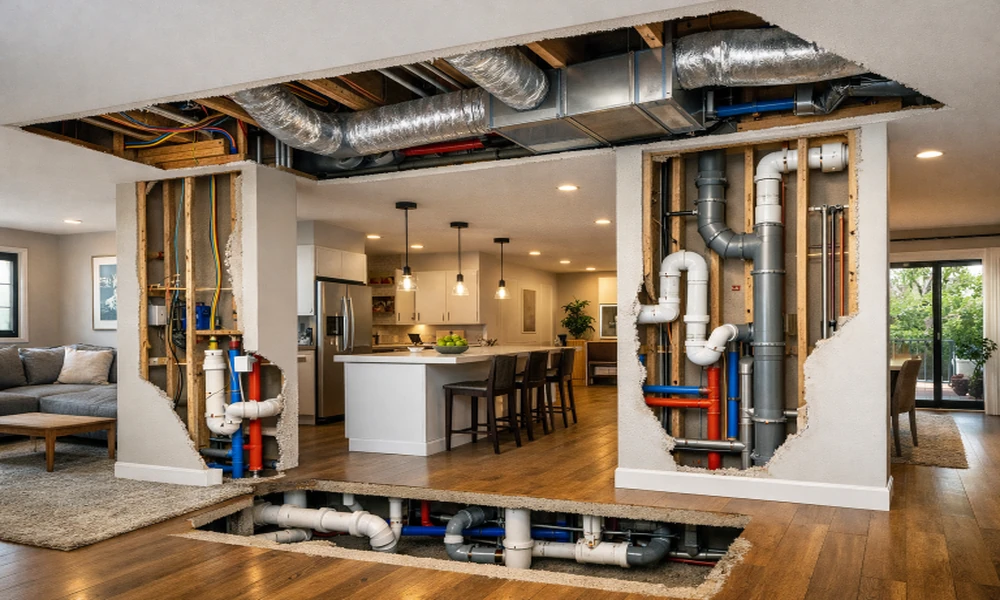
Today’s homes are equipped with layered systems that must interact flawlessly to deliver reliable performance. Homeowners may not always realize that upgrading one system can directly affect the functionality and efficiency of another. For example, an energy-efficient HVAC system requires correctly sized electrical wiring and effective plumbing for tasks such as condensate removal. This web of interconnectedness means that coordinated design, planning, and maintenance are vital for both new homes and older properties undergoing renovation.
Thinking about how each system interacts with the others helps homeowners avoid design conflicts and bottlenecks, especially during large renovations or retrofits. For instance, smart home upgrades often require additional wiring or specialized power outlets, which can affect HVAC performance if not properly installed. Collaborative planning ensures that all systems align on capacity, compatibility, and efficiency, preventing frustrating, costly mistakes down the road. Whether you’re constructing a new home or enhancing an older property, having each professional-electricians, plumbers, and HVAC specialists-on board from the design phase reduces the risks of unexpected complications and rework.
Electrical Systems: The Backbone of Home Comfort
Electrical systems power virtually everything in a modern home. Lighting, refrigeration, and entertainment depend on safe, reliable power delivery. More importantly, electrical systems keep essential home equipment running, such as HVAC units (which rely on electrical input for fans, compressors, thermostats, and control systems) and smart plumbing devices like tankless water heaters or sump pumps. Poor electrical planning or outdated components can decrease energy efficiency, increase risks, or limit future upgrades, underlining the need for regular inspection and modernization.
An upgraded electrical system can even prepare your home for renewable energy integration, like solar panels or electric vehicle charging. This demonstrates the growing synergy between traditional electrical needs and emerging green technologies, highlighting the importance of routine electrical evaluations. These evaluations help ensure continued safety and readiness for the technologies of tomorrow, ensuring your household is both functional and future-proof.
Homeowners should also consider surge protection and backup power options, especially as the frequency of severe weather events increases in many regions. Integrating battery storage or whole-home generators not only keeps essential systems running during outages but can also provide long-term savings by enabling the strategic use of stored or generated electricity.
Plumbing Systems: The Lifeblood of the Home
Plumbing is indispensable for daily comfort and sanitation. It brings fresh water into kitchens, bathrooms, and laundry rooms while safely removing wastewater. Many HVAC components-such as boilers and some humidifiers-rely on direct water connections. Some plumbing subsystems also operate on electricity, such as booster pumps for increased water pressure and electric water heaters. As households continue adopting water conservation and purification solutions, plumbing must evolve in tandem with electrical and HVAC improvements to deliver reliable support throughout the home.
In addition to daily convenience, modern plumbing innovations such as touchless faucets, leak detection systems, and water-efficient appliances further underscore the interconnectedness of in-home systems. These technologies often require dedicated electrical support and can improve both water and energy efficiency. Consulting with a professional who understands both plumbing and electrical systems can help you design a more responsive and future-ready setup.
HVAC Systems: Maintaining Optimal Indoor Environments
Regulating temperature, humidity, and air quality, HVAC systems are instrumental in maintaining a healthy, comfortable household. Every modern HVAC unit relies on a home’s electrical supply, and some advanced systems depend on plumbing for water-cooled air conditioning or integrated humidification. Systemic issues in either plumbing or electrical lines can severely reduce HVAC performance, compromise air quality, or even lead to significant repair bills. Homeowners seeking sustainable temperature management often combine HVAC upgrades with smart thermostats and improved insulation.
To maximize your HVAC system’s effectiveness, regular maintenance is crucial. This includes checking refrigerant levels, cleaning filters, inspecting ductwork, and evaluating connections to both plumbing and electrical systems. Since HVAC systems account for a significant portion of household energy use, investing in high-efficiency units and proper integration can substantially lower utility bills and carbon footprint over time. Additionally, features like programmable or learning thermostats can leverage your electrical system to automate comfort and savings year-round.
The Importance of Coordination Among Services
Effective home management means recognizing that electrical, plumbing, and HVAC systems must be designed and maintained together. Inadequate communication or planning between service providers can result in code violations, energy waste, or avoidable system failures. Integrated strategies, such as synchronized upgrades or holistic maintenance contracts, help prevent these issues and extend the lifespan of each system. When contemplating major renovations or adding new features, always select providers experienced with cross-disciplinary requirements and local building codes.
Many homeowners overlook the benefits of contracting with a single company or a team of specialists who collaboratively plan major upgrades. Such an approach can dramatically improve energy performance, simplify troubleshooting, and streamline record-keeping for service history. This not only ensures optimal daily operation but also provides added assurance during emergencies, as there’s a clear record of service and system configurations accessible to technicians.
Real-World Examples of Integrated Services
Some home service companies now offer bundled solutions to address the interplay between electrical, plumbing, and HVAC systems. Jarboe’s Heating, Cooling & Plumbing is one example, having added electrical services to its portfolio for greater service efficiency and reliability. This integrated approach simplifies scheduling, reduces miscommunication, and ensures compatibility between installed systems.
Another example comes from Buckeye Heating, Cooling & Plumbing, whose recent addition of electrical services mirrors the direction of the entire home services industry-toward comprehensive solutions that prioritize customer convenience and overall home wellness.
In addition, some homeowners are choosing to work with “design-build” firms that specialize in seamless system integration from the initial planning stage through to completion. This method reduces miscommunication between contractors and enables homes to adapt quickly to advancements, including smart home integrations, energy monitoring, and automated leak-detection solutions, which require a coordinated approach. Such real-world examples demonstrate that integrated services are not just convenient-they provide long-term value and adaptability in the face of evolving technologies and homeowner expectations.
Conclusion
The comfort, safety, and efficiency of today’s homes spring from the combined strengths of carefully coordinated electrical, plumbing, and HVAC systems. By prioritizing integration and working with providers who understand the complex relationships between these services, homeowners can achieve cost-effective management, improved sustainability, and a higher quality of life for everyone under the roof. Seamless collaboration not only protects your investment but also positions your home to meet evolving comfort and efficiency standards for years to come. As technology advances, embracing an integrated approach will ensure your home not only meets current standards but also adapts to future innovations, keeping your living environment safe, efficient, and progressive.
Ultimately, the future of home management is moving steadily toward convergence, where advanced technologies and holistic expertise converge to create resilient, intelligent living spaces. Whether you’re planning a simple upgrade or a complete overhaul, understanding and investing in integrated systems lays the foundation for versatile, comfortable, and cost-effective home ownership for generations to come.
