

Your Seasonal HVAC Maintenance Checklist
Keeping your home comfortable in Airdrie and Crossfield, AB, requires a reliable HVAC system. Many homeowners overlook regular maintenance, leading to unexpected breakdowns, soaring energy bills, and discomfort when you least expect it. Whether it’s a furnace struggling on a cold morning or an air conditioner failing in the summer heat, ignoring your HVAC system can be a costly mistake. This guide will walk you through essential HVAC maintenance tips for every season. We’ll help you understand how to keep your system running smoothly, avoid common problems, and know when it’s time to consider a vital furnace replacement for ultimate home comfort and efficiency.
For a complete overview of keeping your home comfortable, explore our main guide on HVAC Maintenance Tips. If you’re ready to discuss your specific heating needs, contact us today.
Maintaining a comfortable home year-round hinges on the diligent care of your heating, ventilation, and air conditioning (HVAC) system. Just as you prepare your wardrobe for changing seasons, your HVAC system requires seasonal adjustments and checks to perform optimally. Proactive maintenance not only ensures consistent indoor temperatures but also contributes significantly to energy efficiency, prolonging the lifespan of your equipment, improving indoor air quality, and ultimately lowering your utility bills. Heating and cooling can represent as much as 63% of your home’s energy use, underscoring the importance of a well-maintained system.
Spring/Summer Cooling System Prep
As the chill of winter recedes and warmer days approach, shifting your focus to your cooling system is paramount. Preparing your air conditioner for the summer months can prevent unexpected breakdowns when temperatures soar and ensure it runs as efficiently as possible.
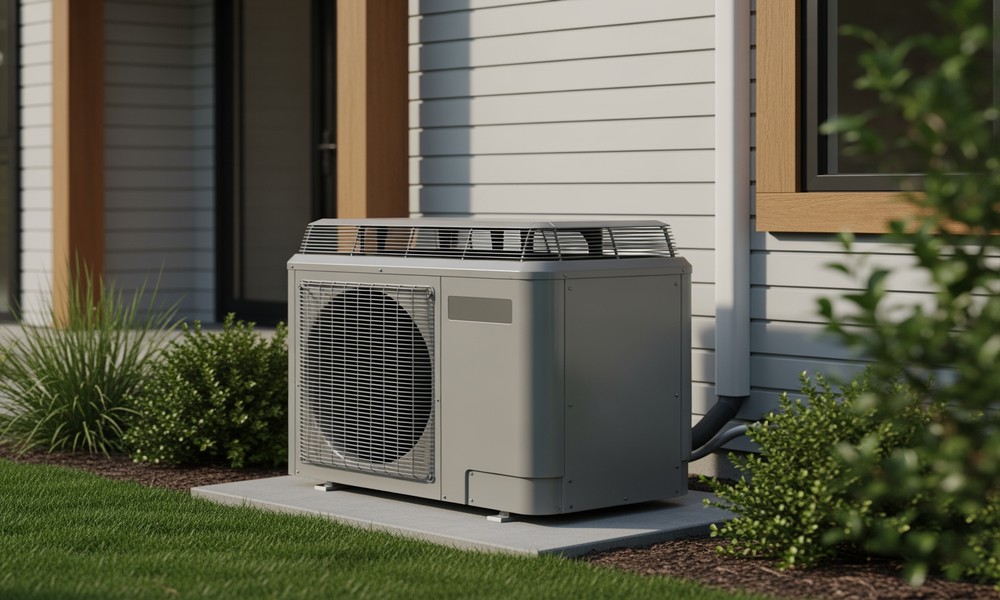
One of the first and most critical steps is to clean the outdoor unit, often referred to as the condenser. Over the fall and winter, leaves, twigs, dirt, and other debris can accumulate around and inside the unit, obstructing airflow and forcing the system to work harder. Carefully clear away any vegetation or clutter from around the unit, ensuring at least two feet of clear space in all directions. You can gently rinse the condenser coils with a garden hose to remove stubborn dirt, always being careful not to bend the delicate fins.
Next, it’s wise to check the refrigerant lines. While this is typically a task for professionals, a visual inspection for any obvious signs of damage or leaks (such as oily residue) can be done by a homeowner. If you suspect a leak, it’s crucial to contact an HVAC professional, as refrigerant is a hazardous substance and its levels should only be adjusted by certified technicians.
Before the peak cooling season, test your air conditioner by setting your thermostat to “cool” and lowering the temperature a few degrees below the current room temperature. Listen for unusual noises and feel for cool air coming from the vents. A properly functioning unit should kick on smoothly and begin distributing cool air within minutes.
Another important step is to clear the condensate drain. This drain removes moisture that the air conditioner pulls from your home’s air. If it becomes clogged with algae or debris, water can back up, leading to leaks, water damage, and even system shutdowns. You can often flush the drain line with a mixture of bleach and water to prevent clogs, but if you notice persistent blockages or water pooling, professional intervention is recommended.
Finally, remember to change your thermostat settings from “heat” to “cool.” If you have a smart thermostat, ensure its programming is updated for summer schedules and desired temperatures, optimizing energy usage and comfort.

Fall/Winter Heating System Prep
As summer heat gives way to autumn’s crispness and the inevitable cold of winter, your furnace becomes the unsung hero of your home comfort. Preparing it for the colder months is just as vital as readying your air conditioner for summer.
Begin by testing your furnace operation before the real cold sets in. Set your thermostat to “heat” and raise the temperature above the current room temperature. Observe the furnace as it starts up. Does it ignite smoothly? Do you hear any unusual sounds? Does warm air begin to flow from your vents? Early testing allows you to identify potential issues before you’re left in the cold.
A critical, though professional-level, inspection involves checking the heat exchanger for cracks. This component separates combustion gases from the air circulating into your home. Cracks can allow dangerous carbon monoxide to leak into your living space. While a homeowner cannot perform this inspection safely or effectively, it’s a key part of an annual professional furnace tune-up.
Similarly, inspecting the ignition system and cleaning furnace burners are tasks best left to certified technicians. A clean burner ensures efficient combustion, while a properly functioning ignition system guarantees reliable startup. However, you can ensure the area around your furnace is clean and free of flammable materials.
Crucially, check your carbon monoxide detectors. These life-saving devices should be installed on every level of your home, especially near sleeping areas. Test them regularly (monthly is ideal) and replace batteries annually. If your furnace flame is yellow instead of blue, or if you notice soot or unusual smells, it could indicate a carbon monoxide issue, and you should evacuate your home and call for professional help immediately.
It’s worth noting that when your heating system is 15 years old or more, it runs inefficiently compared to when it was new. ENERGY STAR® recommends replacement when your furnace is 15 years old or older, as older units can significantly increase energy consumption. New gas furnaces, for instance, boast efficiency ratings from 92-98% Annual Fuel Utilization Efficiency (AFUE), a stark contrast to older models which might be as low as 65% efficient. This brings us to the next point: understanding AFUE ratings, which measure how efficiently a furnace converts fuel into heat, is crucial when considering system performance.
Year-Round Tasks for Optimal Performance
Beyond seasonal checks, several maintenance tasks should be performed consistently throughout the year to ensure your HVAC system operates at its best, regardless of the weather outside.
The simplest yet most impactful year-round task is to change your air filters regularly. A clogged filter restricts airflow, forcing your system to work harder, which wastes energy and can lead to premature wear and tear. For basic 1-inch filters, every 1-3 months is standard, but this can vary based on factors like pets, allergies, local air quality, and how often your system runs. Homes with pets or allergy sufferers may need to change filters monthly.
Here are some common air filter types:
- Fiberglass Filters: Economical, basic filtration, changed frequently.
- Pleated Filters: Better filtration for dust and allergens, changed every 1-3 months.
- Electrostatic Filters: Reusable, provide good filtration, require regular cleaning.
- HEPA Filters: Offer superior filtration, but can restrict airflow and may require system upgrades.
Cleaning vents and registers is another easy task that can improve airflow and indoor air quality. Dust and debris can accumulate in these areas, impeding the distribution of conditioned air. Use a vacuum cleaner attachment to remove buildup, ensuring unobstructed airflow throughout your home.
Don’t forget to check your thermostat batteries periodically. A dead or low battery can cause your thermostat to malfunction, leading to uncomfortable temperatures or even system shutdowns. Most thermostats will provide a low-battery warning, but it’s a good habit to check them at least once a year.
Finally, keep outdoor units clear of obstruction year-round. Even in winter, snow and ice can accumulate around your air conditioner (if it’s a heat pump) or block the exhaust vents of your furnace. Maintaining a clear perimeter ensures proper airflow and safe operation. By consistently performing these year-round tasks, you’re not only extending the life of your HVAC system but also ensuring it provides consistent comfort and efficiency, ultimately translating to lower energy bills and a healthier home environment.
DIY vs. Professional HVAC Maintenance: Knowing Your Limits
While some HVAC maintenance tasks are perfectly suitable for a homeowner to tackle, others require the specialized knowledge, tools, and experience of a certified professional. Understanding this distinction is crucial not only for the safety of your home and family but also for the longevity and efficiency of your expensive HVAC equipment. Attempting complex repairs or inspections without proper training can lead to further damage, void warranties, and even create hazardous conditions.
Essential DIY HVAC Maintenance You Can Do Today
Empowering yourself with basic HVAC knowledge can save you money and keep your system running smoothly between professional visits. These are tasks that most homeowners can perform safely and effectively:
- Filter Replacement: As mentioned, this is perhaps the most important DIY task. Regularly changing your furnace and air conditioner filters is easy, inexpensive, and significantly impacts system efficiency and indoor air quality. Make sure to use the correct size and type of filter for your system.
- Clearing Debris from Outdoor Units: Keep the area around your outdoor air conditioner or heat pump clear of leaves, grass clippings, dirt, and other obstructions. This ensures proper airflow and prevents the unit from overheating. Use a broom or garden hose for cleaning, being careful not to damage the fins.
- Cleaning Registers and Vents: Dust and pet hair can accumulate in and around your supply and return registers. Periodically vacuuming or wiping these clean improves airflow and reduces the circulation of allergens and dust throughout your home.
- Thermostat Programming: Learning how to program your thermostat effectively can lead to significant energy savings. Setting back temperatures when you’re away or asleep, and using smart thermostat features to learn your habits, can optimize your system’s operation.
- Visual Inspection for Leaks or Damage: Regularly walk around your indoor and outdoor HVAC units. Look for any unusual puddles of water, signs of rust, loose wires, or strange smells. While you might not be able to fix these issues yourself, identifying them early allows you to call a professional before they escalate into major problems.
The Importance of Professional HVAC Maintenance
While DIY tasks are valuable, they are no substitute for the comprehensive care provided by a qualified HVAC professional. Annual professional maintenance is a critical investment in your home’s comfort and safety.
- Annual Tune-ups: These are thorough inspections and cleanings performed by certified technicians. They go beyond what a homeowner can do, checking intricate components, calibrating settings, and ensuring everything is operating within manufacturer specifications. A tune-up can help keep your heating system working at peak efficiency, identify potential costly breakdowns by inspecting all major furnace components, and extend the life of your furnace & HVAC system.
- Refrigerant Level Checks: Only licensed professionals can safely check and recharge refrigerant levels in air conditioning systems. Low refrigerant can indicate a leak, which needs to be repaired, not just refilled.
- Electrical Component Inspection: Technicians will inspect all electrical connections, capacitors, and motors for wear, corrosion, or damage. Loose or faulty wiring can be a fire hazard and lead to system failures.
- Mechanical Repairs: From diagnosing strange noises to replacing worn belts or bearings, mechanical repairs require specialized tools and expertise. The average furnace repair bill is about $300, with repairs reportedly as low as around $65, and up to $1500 on the higher end. Professional diagnosis can prevent minor issues from becoming expensive breakdowns.
- Safety Control Testing: This includes testing safety switches, pressure sensors, and flame sensors to ensure they are functioning correctly, preventing dangerous situations like carbon monoxide leaks or furnace overheating.
- Ductwork Inspection: Professionals can inspect your ductwork for leaks, blockages, or disconnections that can lead to significant energy loss and uneven heating or cooling. Sealing leaks can dramatically improve efficiency.
The role of a Home Comfort Advisor or HVAC professional in the furnace selection and installation process is indispensable. They conduct detailed assessments, calculate precise heating and cooling loads for your home, recommend appropriate system types and sizes, and ensure safe, compliant installation. Their expertise ensures your system is not only running but running optimally and safely.
Recognizing When Maintenance Isn’t Enough
Even with meticulous seasonal and year-round maintenance, every HVAC system has a finite lifespan. There comes a point when repairs become too frequent, too costly, or the system simply can’t keep up with your home’s demands anymore. Recognizing these signs early can help you plan for a furnace replacement before a catastrophic failure leaves you in an uncomfortable and potentially expensive emergency situation.
Key Indicators for System Replacement
Several clear signals suggest that your furnace is nearing the end of its lifespan or requires frequent repairs, making replacement a more prudent choice than continued maintenance.
- System Age Over 15 Years: The average lifespan of a furnace is typically between 15 and 30 years. However, most furnaces begin to lose efficiency and require more frequent repairs after about 15 years. ENERGY STAR® recommends considering replacement for furnaces 15 years or older, as their efficiency significantly declines. An older furnace, even if still running, might be costing you more in energy bills than a new, high-efficiency model.
- Frequent or Costly Repairs: If you’re calling for repairs multiple times a season, or if a single repair bill approaches a significant percentage of the cost of a new unit, it’s a strong indicator that replacement is warranted. While the average furnace repair bill is around $300, major component failures like a heat exchanger or blower motor can quickly escalate to $1,000 or more. Continuously pouring money into an aging, inefficient system is often a false economy.
- Rising Energy Bills: Have you noticed your heating bills steadily increasing, even if your usage habits haven’t changed? An inefficient furnace has to work harder and longer to heat your home, consuming more fuel. New gas furnaces, for example, have efficiency ratings from 92-98% Annual Fuel Utilization Efficiency (AFUE), meaning they convert almost all the fuel they consume into heat. An ENERGY STAR® certified forced-air, gas-fueled furnace uses 6% less energy on average than a standard model, leading to substantial long-term savings.
- Inconsistent Temperatures: If some rooms in your home are always too hot while others remain cold, your furnace may no longer be distributing heat effectively. This could be due to an undersized or aging unit struggling to heat your entire home evenly. The size and layout of a home significantly impact the type and size of furnace needed. An HVAC professional will perform a heat loss calculation to determine the correct BTU output for your specific home to ensure consistent comfort.
- Excessive Noise or Dust: Furnaces typically make some noise, but if you start hearing new, loud, or persistent sounds like banging, rattling, squealing, or humming, it could indicate mechanical problems. Excessive dust circulating through your home, despite regular filter changes, might suggest issues with the blower motor or ductwork, or even a cracked heat exchanger.
- Visible Rust or Cracks: Any visible rust on the furnace cabinet or cracks in the heat exchanger (a critical safety component) are serious red flags. A cracked heat exchanger can leak carbon monoxide, a colorless, odorless, and deadly gas, into your home. This is an immediate safety concern that necessitates professional inspection and likely replacement.
If your system is over 15 years old and requires constant, expensive repairs, maintenance may no longer be the answer. At this point, investing in a new, high-efficiency unit is often the smarter financial decision. A qualified technician can help you assess whether a simple repair or a full upgrade, like an Airdrie Air HVAC furnace replacement, is right for your home.
Upgrading to a high-efficiency furnace brings numerous benefits beyond just lower energy bills. Modern furnaces often feature variable-speed motors and multi-stage heating, which allow for more precise temperature control, quieter operation, and improved indoor air quality through better air circulation and filtration. Different types of furnaces are available, including gas, oil, electric, and even heat pumps, each with their own pros and cons regarding fuel cost, environmental impact, and efficiency. For example, while electric furnaces can be 100% efficient at converting electricity to heat, their operating costs depend heavily on electricity prices, which can be higher than natural gas in some regions. Heat pumps offer a highly efficient alternative, providing both heating and cooling, and can be particularly beneficial in milder climates or when paired with a furnace for hybrid systems.
When considering a replacement, it’s also worth exploring government rebates and financing options, which can significantly offset the initial cost of a new, energy-efficient furnace. Many programs exist to encourage homeowners to upgrade to more environmentally friendly and efficient systems.
Frequently Asked Questions About HVAC Care
Navigating HVAC maintenance and replacement can bring up many questions. Here, we address some of the most common inquiries to help you make informed decisions for your home comfort.
How often should I have my HVAC system professionally serviced?
It is widely recommended to have your heating and cooling systems professionally serviced once a year each. This typically means scheduling an air conditioner tune-up in the spring before the summer heat arrives and a furnace tune-up in the fall before the winter cold sets in. Regular professional maintenance ensures that your system runs at peak efficiency, identifies potential issues before they become costly breakdowns, and extends the overall lifespan of your equipment. For instance, a new furnace can reasonably be expected to have a lifespan of fifteen to thirty years, but this longevity is heavily dependent on consistent professional care.
How often should I change my air filter?
For basic 1-inch filters, a general guideline is to change them every 1 to 3 months. However, this can vary significantly based on several household factors:
- Pets: Homes with furry friends often need more frequent filter changes, sometimes monthly, due to increased pet dander.
- Allergies or Respiratory Conditions: If anyone in your household suffers from allergies or asthma, changing filters more frequently (e.g., every month) can significantly improve indoor air quality.
- Number of Occupants: More people in the home generally means more dust and particles, necessitating more frequent changes.
- Local Air Quality: If you live in an area with high levels of pollen, pollution, or construction dust, your filters may clog faster.
- System Usage: If your HVAC system runs almost continuously, filters will accumulate debris more quickly. Always check the manufacturer’s recommendation for your specific filter type and system, and visually inspect your filter monthly. A dirty filter is a common cause of reduced efficiency and can even lead to system malfunctions.
Can regular maintenance really lower my energy bills?
Yes, absolutely. Regular, professional maintenance is one of the most effective ways to lower your energy bills. A clean, well-maintained HVAC system runs more efficiently, meaning it uses less energy to heat and cool your home to your desired temperature. Here’s why:
- Optimal Performance: Over time, components can accumulate dirt, lose calibration, or wear down. Maintenance ensures all parts are clean, lubricated, and properly adjusted.
- Reduced Strain: When a system is clean and functioning correctly, it doesn’t have to work as hard to achieve its set temperature. This reduces the amount of energy consumed.
- Early Problem Detection: Technicians can identify and fix minor issues like low refrigerant levels or clogged coils before they escalate into major problems that drastically reduce efficiency.
- Increased Lifespan: An efficient system experiences less wear and tear, leading to a longer operational life, which means you delay the significant investment of a replacement.
For example, an ENERGY STAR® certified forced-air, gas-fueled furnace uses 6% less energy on average than a standard model. This efficiency gain is maximized when the system is regularly maintained, ensuring it consistently performs at its rated capacity. Over the lifespan of your furnace, these savings can add up considerably, proving that proactive care is a sound financial decision.
Conclusion: A Year-Round Commitment to Comfort and Efficiency
Maintaining your home’s HVAC system is more than just a seasonal chore; it’s a year-round commitment to ensuring consistent comfort, maximizing energy efficiency, and safeguarding your investment. From clearing debris around your outdoor unit in the spring to checking your carbon monoxide detectors in the fall, each small step contributes to the overall health and performance of your heating and cooling equipment.
Proactive care translates directly into long-term savings on energy bills and fewer unexpected, costly repairs. A well-maintained system is a reliable system, providing peace of mind through every season. While many essential tasks can be handled by a diligent homeowner, the specialized knowledge and comprehensive checks performed by certified HVAC professionals are indispensable for optimal system health and safety.
By following these essential HVAC maintenance tips and knowing when to call in the experts, you can ensure your home remains a haven of comfort, efficiency, and clean air for years to come. Don’t wait for a breakdown to think about your HVAC system; accept a proactive approach, and your home will thank you for it.
