


Essential Protocols for Indoor Air Quality and Safety
Our homes are meant to be safe havens, yet invisible threats can silently undermine their health and our well-being. Among these, mold is a pervasive concern, often flourishing undetected behind walls or beneath flooring, leading to compromised indoor air quality. We understand that deciphering the presence and impact of such contaminants can feel overwhelming, but early detection and informed action are paramount for safeguarding health. This comprehensive guide delves into the critical aspects of indoor environmental safety, focusing on practical approaches to identifying and addressing mold issues. We will explore various testing methodologies, from accessible DIY options to the intricacies of professional assessments that uphold Certified environmental mold safety. Our discussion will illuminate how these insights integrate into a systems-based approach to wellness, equipping you with the knowledge needed to make informed decisions about your living environment and ensure a healthier space for everyone.
Introduction to Indoor Environmental Health
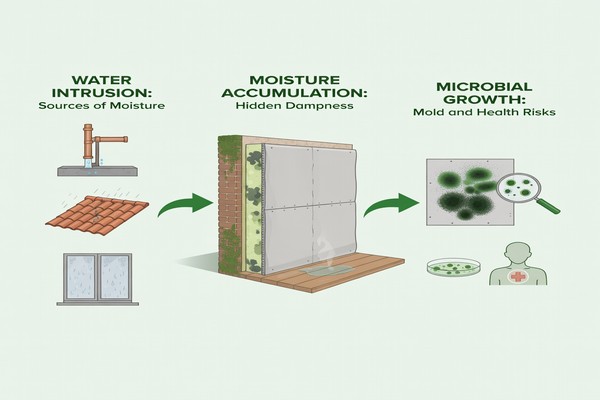
The air we breathe indoors can be significantly more polluted than outdoor air, a fact that often goes unnoticed until health symptoms arise. From persistent allergies and respiratory issues to more severe chronic conditions, compromised indoor air quality can have profound effects. A systems-based approach to understanding and mitigating these risks involves recognizing the interconnectedness of a building’s structure, its environmental conditions, and the health of its occupants. This holistic view is crucial, especially when considering the subtle yet powerful impact of microbial growth like mold. For those seeking deeper medical insights into the health implications, ACMT Mold Exposure Updated Guidance offers valuable perspectives. Understanding the fundamental connection between water intrusion and microbial growth is often the first step in effective remediation.
Critical Standards in Environmental Remediation and Safety
Maintaining a healthy indoor environment requires adherence to established protocols and standards. The Institute of Inspection, Cleaning and Restoration Certification (IICRC) sets widely recognized benchmarks for remediation professionals. These standards ensure that mold assessment and removal are conducted safely and effectively, protecting both occupants and the property itself. Recent legislative efforts, such as critical MOLD Act legislation, highlight the growing recognition of mold as a significant public health issue, particularly in vulnerable populations. Understanding fundamental building science principles is also essential, as it helps identify how moisture enters and affects a structure, leading to potential mold growth.
Identifying Risks for Environmental Remediation and Safety
Certain building characteristics and environmental factors can significantly increase the risk of mold growth. For instance, homes built on slab foundations can be particularly susceptible to moisture intrusion if proper waterproofing and drainage are not in place. Stucco exteriors, while aesthetically pleasing, can also trap moisture if not installed correctly, creating hidden reservoirs for mold. In regions like California, where heavy rains can occur, the impact of heavy rainfall on building integrity becomes a critical concern. Water intrusion, whether from a leaky pipe or external weather, creates the ideal conditions for mold to flourish, often within a rapid 24-48 hour window. This quick onset means that early detection is paramount. Unfortunately, many individuals suffering from mold-related health issues go undiagnosed, as highlighted by a Chicago Sun-Times report on undiagnosed mold toxicity, underscoring the need for vigilant monitoring of indoor environments.
Protocols for Environmental Remediation and Safety Inspections
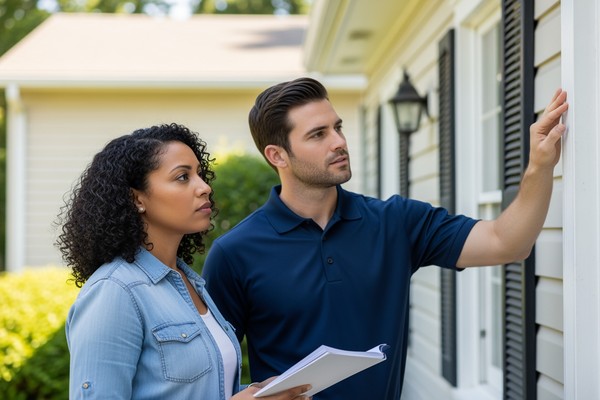
When mold is suspected, a thorough and objective inspection is crucial. We advocate for independent inspections, where the assessment is conducted by a professional who has no financial stake in the remediation process. This separation of duties helps ensure unbiased findings and recommendations. Visual inspections alone are often insufficient; mold can hide behind walls, under flooring, or within HVAC systems, making it invisible to the naked eye. This is where specialized tools and expertise in comprehensive mold safety become invaluable.
In cases where occupants are experiencing health symptoms, collaboration with medical professionals is essential. Environmental experts can provide detailed reports on mold types and concentrations, which can then be used by healthcare providers to inform diagnosis and treatment, forming a critical link in the overall medical referral protocols. When you’re coordinating between a clinician and an indoor environmental professional, it also helps to document:
- Symptom timing and location: whether symptoms improve after time away from the home.
- Water-event history: prior leaks, flooding, roof failures, plumbing backups, or chronic condensation.
- Remediation history: what was removed, what was cleaned, and whether containment/negative air was used.
- HVAC details: filter type/MERV rating, visible dust buildup, and any history of musty odors when running heat/AC.
Evaluating Affordable Testing Options
The desire for a “cheap mold test” is understandable, as professional inspections can be a significant investment. DIY mold test kits offer an initial, cost-effective screening option, typically ranging from $10 to $45. These kits usually involve petri dishes to collect airborne spores or swabs/tape lifts for surface samples. While they can confirm the presence of mold, their limitations are important to understand. Many DIY kits require an additional lab fee, often around $40-$95 per sample, to identify the specific type of mold. Without this lab analysis, the results offer limited actionable information.
Here are some common limitations of DIY mold test kits:
- Limited Accuracy: DIY kits may not accurately reflect the overall mold levels in a home. A single petri dish or swab can only capture a snapshot of a very small area or a brief moment in time.
- False Negatives/Positives: Improper sampling techniques can lead to misleading results. For example, disturbing mold during sampling can release spores, skewing air samples.
- Lack of Context: Even with lab analysis, DIY kits don’t provide the crucial context that a professional inspection offers. They won’t tell you the source of the moisture, the extent of the contamination, or whether the mold levels are unusual for your environment.
- No Differentiation of Live/Dead Spores: Some kits don’t differentiate between live and dead mold spores, and both can cause health issues.
- Hidden Mold: DIY kits are generally ineffective at detecting hidden mold behind walls or within building materials, which often requires invasive inspection techniques.
- Interpretation Challenges: Interpreting the significance of mold types and quantities found can be difficult for a layperson. What constitutes a “problematic” level of mold? This requires expert knowledge.
While a basic DIY test can offer peace of mind or an initial indication, it should rarely be the final step. Think of it as a preliminary screen. If a DIY test indicates mold, or if you continue to experience symptoms, a professional assessment is highly recommended. For those looking to understand more about effectively identifying mold, mastering mold detection involves a combination of visual cues, olfactory signals, and strategic testing.
Understanding Health Risks and Medical Collaboration
Mold exposure can manifest in a wide array of health issues, often mimicking other conditions, making diagnosis challenging. Common symptoms include persistent fatigue, brain fog, headaches, and respiratory problems like coughing, wheezing, and shortness of breath. For some, mold exposure can trigger or exacerbate autoimmune issues, chronic inflammation, and even neurological symptoms.
It’s also important to note that the same environment can affect people differently. Factors like asthma, allergies, immune status, age, and time spent indoors can all influence how strongly someone reacts. In practical terms, this is why two people in the same household may report very different symptom severity-and why environmental findings should be interpreted alongside clinical history rather than in isolation.
This complex interplay between environmental factors and human health necessitates a systems-based approach to care, where medical professionals collaborate closely with environmental experts. The detailed reports provided by professional mold assessments, including identification of specific mold species and patterns consistent with moisture intrusion, can be invaluable tools for physicians in diagnosing and treating exposure-related concerns. This interdisciplinary approach ensures that both the patient’s health and their living environment are addressed comprehensively.
Differentiating Sampling Methods
When it comes to mold detection, understanding the different sampling methods is key to obtaining accurate and actionable results. The two primary categories are air sampling and surface sampling, each with distinct advantages and applications.
Air Sampling: This method involves collecting airborne mold spores to assess the overall indoor air quality. It’s crucial for identifying hidden mold or evaluating the spread of spores from a visible source. Professional air sampling often uses specialized equipment like spore traps or viable (culture) samplers. For instance, some services offer Bio-Tape sampling with a 24-hour lab analysis report for around $95, providing a quick and efficient way to analyze airborne particles.
Surface Sampling: This method directly tests visible mold growth or suspected contaminated surfaces. Techniques include:
- Swab Samples: Used for porous or uneven surfaces.
- Tape Lifts: Ideal for flat, non-porous surfaces, allowing for direct microscopic examination of mold colonies.
- Bulk Samples: Involves collecting a piece of the contaminated material itself (e.g., drywall, carpet) for laboratory analysis.
Each method provides different pieces of the puzzle. Air samples indicate what you’re breathing, while surface samples confirm the presence and type of mold on a specific material. The choice of method depends on the specific situation and what information is needed. For example, if you have a musty smell but no visible mold, air sampling is more appropriate. If you see discoloration, surface sampling can confirm if it’s mold and what type. It’s also important to consider potential structural issues, such as the unique risks associated with slab foundations, which can lead to moisture problems that surface sampling might not immediately reveal.
Sampling Method Purpose Best For Limitations Air Sampling Detecting airborne mold spores and hidden mold Assessing overall indoor air quality, identifying hidden sources Snapshot in time, environmental factors can influence results Surface Swab Identifying mold on uneven/porous surfaces Visible mold on fabrics, wood, or irregular textures Only tests the sampled area, may not reflect airborne levels Tape Lift Identifying mold on flat/non-porous surfaces Visible mold on walls, glass, or smooth materials Only tests the sampled area, can miss deeply embedded mold Bulk Sample Identifying mold within materials Determining if a material is contaminated, identifying hidden mold Destructive, only tests the sampled material, requires professional analysis Post-Detection Action Steps
Once mold has been detected, whether through DIY testing or professional assessment, the next steps are critical for effective remediation and prevention. The first priority is to develop a comprehensive remediation plan. This plan should outline the scope of the mold problem, the methods for removal, and strategies for preventing recurrence.
Key steps typically include:
- Containment: Isolate the contaminated area to prevent mold spores from spreading to other parts of the property. This often involves using plastic sheeting and negative air pressure.
- Moisture Control: Address the underlying moisture source immediately. Mold cannot thrive without water, so fixing leaks, improving ventilation, and managing humidity are paramount.
- Mold Removal: Depending on the extent, this can range from cleaning small areas with appropriate biocides to professional removal of contaminated materials.
- Professional Verification: After remediation, it’s advisable to have a post-remediation verification conducted by an independent professional. This ensures that the mold has been successfully removed and the indoor environment is safe.
Ignoring these steps can lead to persistent mold issues, further property damage, and ongoing health concerns. For specific guidance on addressing moisture intrusion in common building materials, a guide to stucco intrusion can provide valuable insights into preventing recurrence.
Conclusion: A Systems-Based Approach to Indoor Wellness
Achieving and maintaining a healthy indoor environment is a continuous process that integrates building science principles, proactive testing, and, when necessary, medical collaboration. From understanding the nuances of how moisture affects your home’s structure to implementing effective testing protocols, a holistic approach to indoor wellness is essential. Legislative updates and evolving industry standards continue to underscore the importance of these practices, moving towards a future where healthy indoor air is a fundamental expectation.
Here are some final safety checks to ensure long-term indoor wellness:
- Regular Moisture Monitoring: Periodically check for leaks, condensation, and high humidity in basements, bathrooms, and around windows.
- Maintain Ventilation: Ensure proper airflow in all areas, especially those prone to moisture. Use exhaust fans and consider dehumidifiers.
- Prompt Repair of Water Damage: Address any water intrusion immediately, drying affected areas thoroughly within 24-48 hours.
- Professional Inspections: Consider periodic professional mold inspections, especially after water events or if health symptoms persist.
- Educate Yourself: Stay informed about indoor air quality best practices and the signs of mold growth.
By embracing a systems-based approach, we can safeguard our homes and, by extension, our health, creating truly safe and restorative living spaces.
