

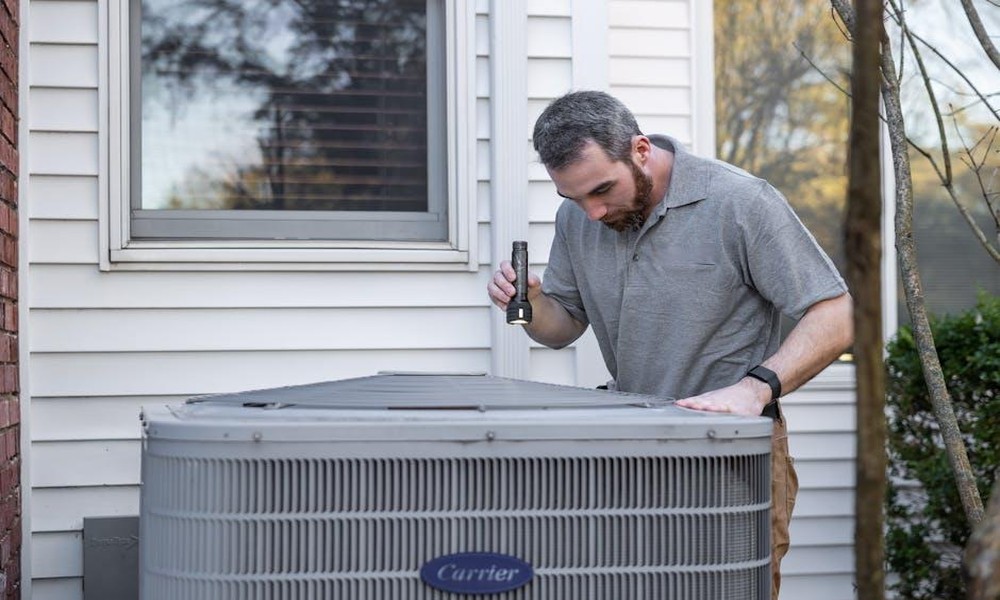
Understanding AC Vent and Duct Cleaners
When we talk about “AC vent and duct cleaners,” it’s important to differentiate between the solutions available for your vehicle and the comprehensive services for your home’s HVAC system. For your car, AC vent and duct cleaners typically come in the form of DIY products like aerosol sprays or foam treatments. These are designed for relatively easy application, targeting accessible areas within your car’s ventilation system to neutralize odors and eliminate bacteria.
Professional services, on the other hand, usually refer to the in-depth cleaning of your home’s entire HVAC ductwork. This involves sophisticated equipment and techniques, such as mechanical agitation, high-powered vacuums, and deep cleaning of all components, not just the visible vents. While both aim for odor neutralization and bacteria elimination, the scale and methodology differ significantly. For instance, understanding how proper sealing and maintenance contribute to overall energy efficiency in a home is crucial, and resources like the EPA’s Energy Star website offer valuable insights into sealing duct air leaks for home HVAC systems, a practice far beyond what a DIY car product can achieve.
Distinguishing DIY Products from Professional Services
The primary distinction lies in depth and scope. DIY products for your car are generally liquid neutralizers or sprays that offer a surface cleaning effect. They can address immediate odor issues and kill some bacteria in the visible vents and accessible parts of the ductwork. Think of them as a quick refresh for your car’s interior air quality. They are not designed to remove heavy particulate buildup or deeply embedded contaminants.
Professional HVAC cleaning services for your home, however, employ a much more rigorous approach. They utilize powerful, truck-mounted or portable HEPA vacuums, often combined with rotating brushes and air whips, to dislodge and extract debris from the entire duct system. This system-wide decontamination includes the supply and return air ducts, registers, grilles, and even the internal components of your HVAC unit like the coils and blower motor. This level of cleaning is far more extensive and effective at removing years of accumulated dust, allergens, and other pollutants from your home’s air circulation system.
Signs Your System Needs Professional Attention
Whether in your car or home, certain indicators suggest that your AC vents and ducts are overdue for a cleaning. Recognizing these signs early can prevent more significant issues down the line.
For your vehicle, common signs include:
- Excessive Dust: If you notice a fine layer of dust accumulating on your dashboard or interior surfaces shortly after cleaning, it could be originating from your car’s vents.
- Musty Odors: A persistent stale or musty smell when your AC is running often indicates the presence of mold or mildew growing within the evaporator core or ductwork.
- Allergy Triggers: If you or your passengers experience increased allergy symptoms like sneezing, coughing, or watery eyes when the car’s AC is on, it might be due to allergens circulating from dirty ducts.
- Restricted Airflow: While less common for car ducts, a noticeable decrease in airflow from your vents could sometimes point to blockages.
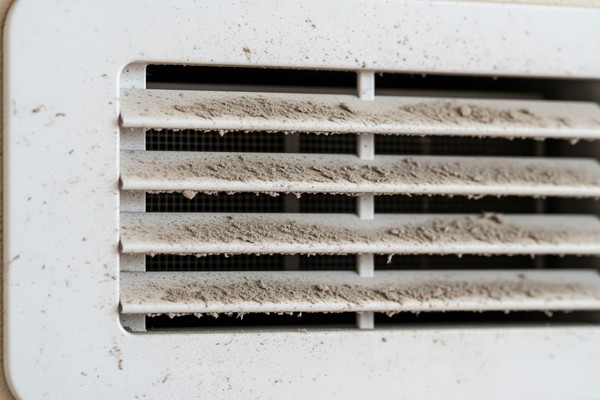
For home HVAC systems, the signs are often more pronounced and carry greater implications for indoor air quality. These include:
- Visible Mold Growth: If you can see mold on or around your air vents, or if a musty odor persists throughout your home, it’s a strong indicator of mold within the ductwork.
- Vermin or Insect Infestation: Evidence of rodents or insects in your ducts (droppings, nesting materials) necessitates immediate professional cleaning and remediation.
- Post-Renovation Debris: After a home renovation project, construction dust and debris can settle throughout the ductwork, requiring a thorough cleaning before the system is run regularly.
- Excessive Dust Accumulation: A constant battle against dust in your home, even with regular cleaning, often points to dirty air ducts recirculating particulate matter.
When considering the cleanliness of your home’s air ducts, it’s always wise to consult with reputable organizations. The NADCA (National Air Duct Cleaners Association) provides comprehensive standards and resources for professional air duct cleaning, emphasizing the importance of a thorough and effective process.
Identifying Contaminants in the Air Stream
The air circulating through your vehicle and home’s ventilation systems can carry a surprising array of contaminants. These microscopic particles can significantly impact air quality and, consequently, your health. Common culprits include:
- Pet Dander: Tiny flakes of skin shed by pets, a common allergen.
- Pollen: Seasonal allergens that can enter through air intakes.
- Dust Mites: Microscopic organisms that thrive in dusty environments, their waste products are potent allergens.
- Drywall Dust and Construction Debris: Fine particles left over from renovations or new construction.
- Fungal Spores and Biological Growth: Mold and mildew spores, which can cause respiratory issues and unpleasant odors, especially in damp environments like AC evaporator coils.
- Bacteria and Viruses: Pathogens that can settle and multiply in dirty, damp conditions.
- Volatile Organic Compounds (VOCs): Gases emitted from various household products and materials, which can also circulate through ducts.
Regular cleaning helps to minimize the circulation of these contaminants, contributing to a healthier environment, whether you’re on the road or relaxing at home.
The Benefits of Anna’s AC duct cleaning for Your Home
While keeping your car’s AC vents clean is important for a pleasant ride, the impact of clean air ducts in your home extends to your family’s health, comfort, and even your utility bills. At Anna’s Air, Heat and Plumbing, we understand the critical role your home’s HVAC system plays in maintaining a healthy living environment. That’s why we offer professional Anna’s AC duct cleaning services designed to deliver a multitude of benefits.
Our comprehensive approach to duct cleaning significantly improves your home’s Indoor Air Quality (IAQ) by removing years of accumulated dust, allergens, pet dander, and other airborne pollutants. This reduction in circulating contaminants can lead to fewer allergy symptoms, less respiratory irritation, and a generally fresher-smelling home.
Beyond health, a clean duct system contributes to enhanced HVAC efficiency. When ducts are free of obstructions and buildup, your heating and cooling system doesn’t have to work as hard to push conditioned air throughout your home. This reduced strain on your HVAC unit translates directly into energy savings and can extend the overall longevity of your system, delaying costly repairs or replacements. Furthermore, for homes with specific duct materials like fiberglass, adhering to guidelines from organizations such as the North American Insulation Manufacturers Association (NAIMA) is crucial to ensure proper cleaning and maintenance without damaging the insulation.
Why Anna’s AC duct cleaning Improves Efficiency
The efficiency of your home’s HVAC system is directly tied to the cleanliness of its components. Here’s how our professional duct cleaning service makes a tangible difference:
- Airflow Optimization: Dust, dirt, and debris create resistance within your ductwork, forcing your HVAC system to work harder to circulate air. By removing these obstructions, we optimize airflow, allowing your system to deliver conditioned air more effectively and efficiently.
- Coil Cleanliness: The evaporator coil is a critical component for cooling, and it can become caked with dirt and grime if the ducts are dirty. A clean coil facilitates better heat exchange, improving cooling performance and reducing energy consumption.
- Blower Motor Performance: A dirty system places extra strain on the blower motor, causing it to consume more energy and potentially shortening its lifespan. Cleaning the ducts alleviates this burden, allowing the motor to operate at peak efficiency.
- Reduced Strain and Lower Utility Consumption: All these factors combine to reduce the overall strain on your HVAC unit. A system that operates efficiently consumes less energy, leading to noticeable reductions in your monthly utility bills and a more comfortable home environment.
Preparing Your Home for Anna’s AC duct cleaning
To ensure a smooth and effective cleaning process, a little preparation goes a long way. When you schedule professional duct cleaning for your home, we recommend the following steps:
- Clearing Paths: Ensure clear access to all vents, return air grilles, and your HVAC unit (furnace/air handler). Move any furniture, rugs, or decorative items that might obstruct our technicians’ access.
- Securing Pets: For the safety and comfort of your furry friends and our team, please secure pets in a separate room or outside the home during the cleaning process.
- Moving Furniture and Valuables: While our technicians take utmost care, it’s best to move any delicate or valuable items away from vent areas to prevent accidental damage.
- Sealing Registers During Renovations: If you’ve recently undergone a renovation, it’s a good practice to seal off registers in the renovated areas to prevent construction dust from entering the ductwork. Even after renovations, a thorough cleaning is often recommended.
Taking these simple steps helps our team work efficiently and ensures the best possible results for your home’s air quality.
Professional Standards and Verification Methods
When it comes to professional air duct cleaning for your home, adhering to industry standards is paramount to ensure a thorough, safe, and effective job. The National Air Duct Cleaners Association (NADCA) sets the benchmark for HVAC system cleaning, assessment, and restoration through its ACR (Assessment, Cleaning, and Restoration) 2013 Standard. This comprehensive guideline outlines the minimum requirements for proper duct cleaning, emphasizing the importance of processes like negative pressure and HEPA filtration.
Professional cleaning involves creating negative pressure within the duct system using powerful vacuums equipped with HEPA filters. This ensures that dislodged contaminants are captured and removed from your home, not recirculated into the air. HEPA (High-Efficiency Particulate Air) filters are crucial because they can capture at least 99.97% of airborne particles 0.3 micrometers in diameter, including many allergens and pollutants. For further information on the organizations that manage and set these industry standards, you can explore resources from the Association Headquarters Inc., which professionally manages NADCA. Additionally, for guidance on environmental health and safety, the NSCEP (National Service Center for Environmental Publications) offers valuable information from the EPA.
Verifying a Thorough Clean
How do you know if your home’s air ducts have been cleaned effectively? Professional services should offer methods of verification:
- Visual Inspection: Before-and-after visual inspections are a fundamental step. Technicians should show you the condition of your ducts prior to cleaning and then demonstrate their improved cleanliness using cameras or mirrors.
- NADCA Vacuum Test: For a more scientific verification, the NADCA Vacuum Test (or “Dust Spot Test”) can be performed. This involves collecting a sample of dust from the duct surface after cleaning and weighing it to ensure it meets the association’s cleanliness standards (typically ≤0.75 mg/100 cm²).
- Camera Systems: Many professional companies use specialized camera systems to navigate through the ductwork, allowing both the technician and the homeowner to visually confirm the cleanliness of areas that are otherwise inaccessible.
- Debris Weight Analysis: In some cases, especially for commercial properties, the amount of debris removed from the system can be weighed to provide a quantitative measure of the cleaning’s effectiveness.
Risks and Myths of Chemical Treatments
The use of chemical biocides and sealants in air ducts is a topic surrounded by both controversy and misinformation. While some products are marketed to kill mold or encapsulate dust, it’s crucial to approach them with caution, especially in your home’s HVAC system.
- Biocides: These are chemical agents designed to kill biological organisms like mold and bacteria. The EPA and NADCA generally recommend against routine use of biocides in ducts. If mold is present, the root cause (moisture) must be addressed first, and the mold physically removed. Applying biocides without proper cleaning can be ineffective and potentially introduce harmful chemicals into your indoor air. Furthermore, no EPA-registered biocides exist for internally insulated ducts, such as those made of fiberglass lining.
- Sealants: These products are intended to encapsulate contaminants or seal porous duct surfaces. However, their effectiveness in preventing dust release is unproven, and they can potentially create a film that harbors microbial growth if moisture is present. Most organizations, including EPA, NADCA, and NAIMA, do not recommend the routine use of sealants to encapsulate contaminants in any type of duct.
Always ensure any chemical treatment used in your home is EPA-registered for that specific application and applied strictly according to its label instructions by a qualified professional. If you have concerns about unscrupulous practices or misleading claims regarding chemical treatments, you can contact your State Consumer Protection Offices for guidance.
DIY Maintenance for Automotive and Home Vents
While professional services are recommended for comprehensive home HVAC duct cleaning, there are effective DIY maintenance steps you can take for both your car and home vents to maintain air quality between professional cleanings.
For your car’s AC system, regular DIY cleaning can significantly improve the air you breathe during your daily commute. The key areas to focus on are the intake grilles, the evaporator core (which often harbors moisture and leads to mold/mildew), and the visible vents. Products designed for automotive use typically target these areas.
For your home, routine maintenance primarily involves regular filter changes and addressing visible vent cleanliness. However, it’s important to understand the fundamental differences between cleaning a home HVAC system and an automotive AC system.
Feature Home HVAC System Automotive AC System System Size Large, extensive ductwork throughout the entire home Compact, confined to the vehicle’s interior Accessibility Ducts often hidden within walls, ceilings, and floors Vents and some components relatively accessible Contaminants Household dust, allergens, pet dander, construction debris, mold, pests Dust, pollen, mold/mildew from moisture, odors Cleaning Method Professional mechanical agitation, powerful vacuums, system-wide DIY sprays, foams, surface wipes; limited professional options Filter Type Furnace/air handler filters (various MERV ratings) Cabin air filter (often charcoal-activated) Moisture Source Condensate drain pan, leaks, high indoor humidity Evaporator core, drain pan, high cabin humidity Impact Whole-home indoor air quality, energy efficiency Cabin air quality, odor control Effective Use of Vent and Duct Sprays
When using DIY vent and duct sprays for your car, proper application is crucial for effectiveness and safety.
- Locate Intake Grilles: Most automotive AC systems draw in fresh air through grilles located at the base of the windshield, often running lengthwise. In some vehicles, you might need to lift the hood to access them.
- Prepare the System: Set your car’s AC to “fresh air” (not recirculation) and the fan to a high setting. Turn off the engine.
- Apply the Cleaner: Gently shake the can. Many products come with specialized spray triggers or extension tubes for precise application. Spray the cleaner into the fresh air intake grille, following the product’s instructions for the amount. Some products recommend spraying directly into the visible vents as well.
- Target Evaporator Core/Drain Pan: Many automotive cleaners are formulated to reach the evaporator core and drain pan area, where mold and mildew often thrive due to moisture.
- Ventilation: After application, allow the product to work for the recommended time. Then, run the AC on high with the windows open for 5-10 minutes to thoroughly ventilate the cabin and ensure any residual fumes are cleared. This also helps dry out the system.
These sprays are designed to neutralize odors and kill bacteria, giving your car a fresher, cleaner scent. These are typically not designed for heavy debris removal but for sanitizing and deodorizing.
Maintenance Schedules and Prevention
Maintaining clean AC vents and ducts, both in your car and home, requires ongoing effort and a proactive approach.
For your car:
- Cabin Air Filter Changes: Regularly replace your car’s cabin air filter according to your vehicle manufacturer’s recommendations, typically every 15,000 to 30,000 miles, or more often if you drive in dusty conditions. This filter is your first line of defense against airborne contaminants entering your car’s cabin.
- Moisture Control: Try to run your AC on fresh air mode for a few minutes before turning off your car, especially in humid climates. This helps dry out the evaporator core and reduces the chance of mold growth.
- Routine Inspections: Periodically check your visible vents for dust buildup and wipe them clean. Use a vent and duct spray every few months or when you notice odors returning.
For your home:
- Filter Changes: This is the simplest yet most effective preventative measure. Change your HVAC air filters monthly, or at least every three months, especially during peak heating and cooling seasons.
- Moisture Control: Address any leaks promptly, ensure your HVAC condensate drain pan is clean and flowing freely, and consider using a dehumidifier in humid areas to prevent mold growth.
- Professional Cleaning Schedule: While car AC cleaning is often DIY, professional home air duct cleaning is generally recommended every 2-3 years to maintain good air quality, especially if you have pets, allergies, or have recently completed renovations.
- Seal Off Vents: During dusty activities like sanding or drywall work, temporarily seal off your home’s air vents to prevent contaminants from entering the ductwork.
Understanding the regulations around antimicrobial pesticides, which are sometimes used in duct cleaning, can also be beneficial. For detailed information on this topic, the Regulating Antimicrobial Pesticides resource from the EPA provides valuable insights.
Frequently Asked Questions about Air Duct Maintenance
How often should air ducts be cleaned?
For automotive AC systems, regular DIY cleaning with sprays can be done every few months or as needed to combat odors. Cabin air filters should be replaced according to your car’s manual, typically annually or every 15,000-30,000 miles.
For home HVAC systems, professional air duct cleaning is generally recommended every 3 to 5 years. However, certain factors may necessitate more frequent cleaning, such as:
- Presence of pets that shed heavily.
- Occupants with allergies or asthma.
- Recent home renovations or construction.
- Evidence of mold growth or pest infestation in the ducts.
- A noticeable increase in household dust.
Can DIY cleaners eliminate mold and bacteria?
DIY cleaners for automotive vents and ducts are formulated to neutralize odors and kill common bacteria and mold spores on accessible surfaces. They can be effective for light growth and odor issues in your car. However, they are typically not powerful enough to eliminate extensive mold colonies or deeply embedded bacteria in inaccessible areas like the evaporator core’s deep fins. For severe mold problems in your car, professional automotive detailing services that specialize in odor and mold remediation might be more effective.
For home HVAC systems, DIY cleaners are generally ineffective for mold and bacteria within the ductwork. Professional cleaning is required to physically remove contaminants, and if significant mold is present, the underlying moisture issue must be resolved first.
Is routine duct cleaning necessary for every home?
While not every home needs annual professional duct cleaning, routine maintenance is beneficial for most. The EPA states that there is no conclusive evidence that routine duct cleaning improves health or substantially reduces particles in the home. However, they do recommend cleaning if there is substantial visible mold, evidence of vermin infestation, or excessive dust/debris being released into the home.
For many homeowners, the benefits of improved indoor air quality, reduced allergens, and enhanced HVAC efficiency make periodic professional cleaning a worthwhile investment, especially if family members suffer from allergies or respiratory conditions. Regular filter changes and addressing moisture issues are universally necessary preventative measures for all homes.
Conclusion
Maintaining clean AC vents and ducts, whether in your car or home, is a crucial step toward ensuring a healthier and more comfortable environment. For your vehicle, regular DIY cleaning with specialized sprays and timely cabin air filter replacements can keep your “ride” fresh and free from unpleasant odors and circulating allergens.
For your home, the stakes are higher, impacting your entire family’s well-being and your HVAC system’s longevity. While DIY efforts like consistent filter changes are vital, professional verification and comprehensive cleaning, adhering to industry standards like those set by NADCA, offer the deep clean necessary to remove years of accumulated contaminants. By prioritizing preventive maintenance and understanding when to seek professional help, you can ensure long-term indoor air quality and a truly healthy living environment.
