

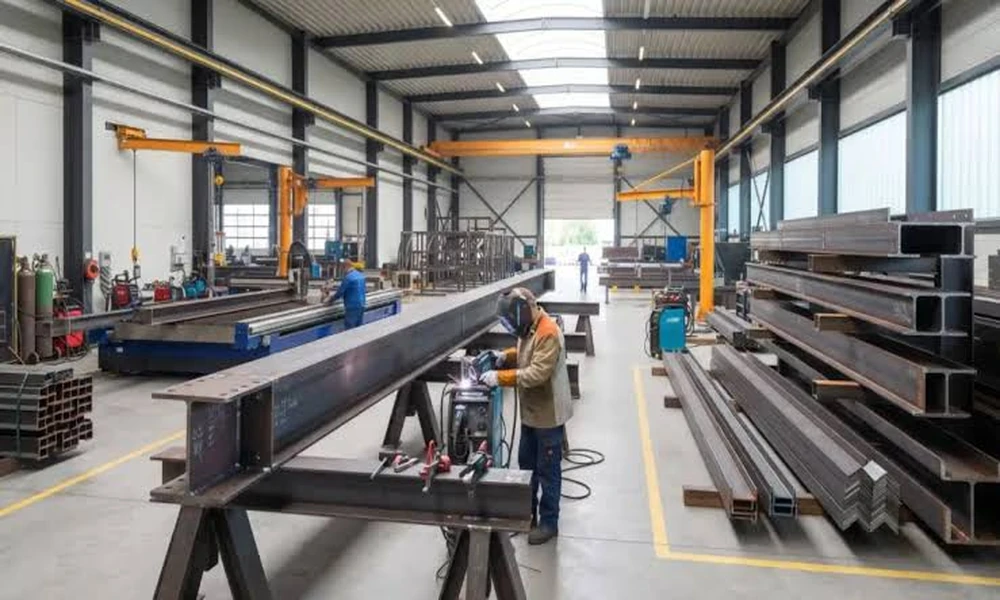
A fabrication job can be ready on paper and still go nowhere on the workshop floor. Staff are available, drawings are approved and the customer expects delivery, but the steel has not arrived in a usable form. Working with an experienced steel plate supplier helps businesses address these problems before they interrupt production. For engineering firms, manufacturers and fabricators, a successful order depends on more than finding a competitive price. Material specification, plate dimensions, preparation requirements and delivery arrangements all need to match the work waiting to be done.
A low price can hide an expensive order
The price of the plate is easy to compare. The cost of using it is less obvious. A cheaper quotation may leave a workshop handling additional cutting, storing unwanted material or rearranging production because the delivery date does not suit the schedule.
None of these costs necessarily appears on the supplier’s invoice. They show up elsewhere, through labour, machine time, wasted space and missed deadlines. This is why purchasing decisions should consider what happens after the steel reaches the premises.
For example, ordering a larger plate than necessary may look economical until the business accounts for the time spent cutting it down and managing the remaining material. Comparing the complete supply requirement gives buyers a clearer picture of value.
The enquiry sets the pace
A vague enquiry usually creates more questions. Asking for a price on thick steel plate gives a supplier little information about the material needed, the quantity involved or the delivery deadline.
A useful enquiry should include:
- The specified steel grade and any required supply condition.
- Plate thickness, length and width.
- The number of plates or pieces required.
- Cutting dimensions and relevant tolerances.
- Any testing or documentation requirements.
- The delivery address and required arrival date.
Drawings can help clarify an order, particularly when several pieces have different dimensions. Buyers should also identify which details are fixed and which can be discussed. That allows the supplier to check availability and explain practical options without making assumptions about the project.
Stock availability needs a proper conversation
A supplier may list a broad range of steel products, but that does not mean every grade is immediately available in every thickness. Availability must be checked against the actual order.
The useful question is whether the required material can be supplied in the right quantity, prepared as requested and delivered within the project schedule. An honest answer at quotation stage is more valuable than an optimistic date that changes after the order is placed.
Repeat buyers can make this easier by sharing upcoming requirements. A fabrication business expecting several similar jobs over the next month gives its supplier more opportunity to discuss stock and delivery planning than one placing urgent orders separately.
Cutting to size changes the workload
Steel plate supplied closer to the required dimensions can reduce the preparation left for the customer. This is especially helpful when workshop capacity is already committed to fabrication or machining.
P&D Northern Steels carries out cutting to size in house. For buyers, this provides an opportunity to discuss the required plate dimensions as part of the material order, rather than treating cutting as a separate task after delivery.
The details still matter. Buyers should confirm cutting tolerances and explain whether additional machining allowance is needed. A cut plate should not automatically be treated as a finished component. Clear agreement about the supplied dimensions helps the workshop plan the remaining work accurately.
Different jobs need different material discussions
A machinery repair, a structural fabrication project and a replacement wear component can involve very different requirements. Describing everything as steel plate risks overlooking the specification that makes the material suitable for its intended use.
P&D Northern supplies a range that includes structural, pressure vessel, high strength and abrasion resistant plate. Buyers can discuss availability against their existing drawings and material requirements rather than relying on a general product description.
Where a specified grade is unavailable, any proposed alternative should be checked and approved by the person responsible for the design or specification. Similar names or familiar applications are not enough to establish that two materials can be substituted.
Agree testing before the order moves
Testing and documentation requirements should be raised at the enquiry stage. Leaving them until dispatch can create avoidable delays, particularly when the project requires additional checks or specific records.
Buyers should explain what evidence they need and ask the supplier to confirm what can be provided for the material being ordered. Requirements may differ between customers and projects, so neither party should assume that the same arrangements apply to every purchase.
Where testing is required, P&D Northern can arrange it through its sister company. Other processing services can be arranged through external partners. Confirming these arrangements early helps establish the scope, cost and timing of the complete order.
Delivery is part of the production plan
Steel arriving on the right day is only useful if the receiving site can handle it. Access restrictions, unloading equipment and available storage should all be considered before delivery is booked.
For a busy workshop, the delivery sequence can matter too. Material needed for the first stage of a job should be accessible without moving several unrelated plates. For larger orders, buyers can discuss whether deliveries should be coordinated around available space and production needs.
Clear communication between purchasing, production and the supplier reduces last minute surprises. It also helps prevent material being ordered against an outdated drawing or a delivery date that the workshop can no longer accommodate.
Make the next order easier
A well organised steel purchase gives the workshop fewer problems to solve when material arrives. Clear specifications, agreed cutting requirements and realistic delivery arrangements help turn a quotation into usable stock. Businesses reviewing their supply arrangements can speak to P&D Northern Steels about plate availability, cutting to size and requirements for upcoming projects. Providing the grade, dimensions, quantity and deadline gives the team a practical starting point for discussing the order.
