

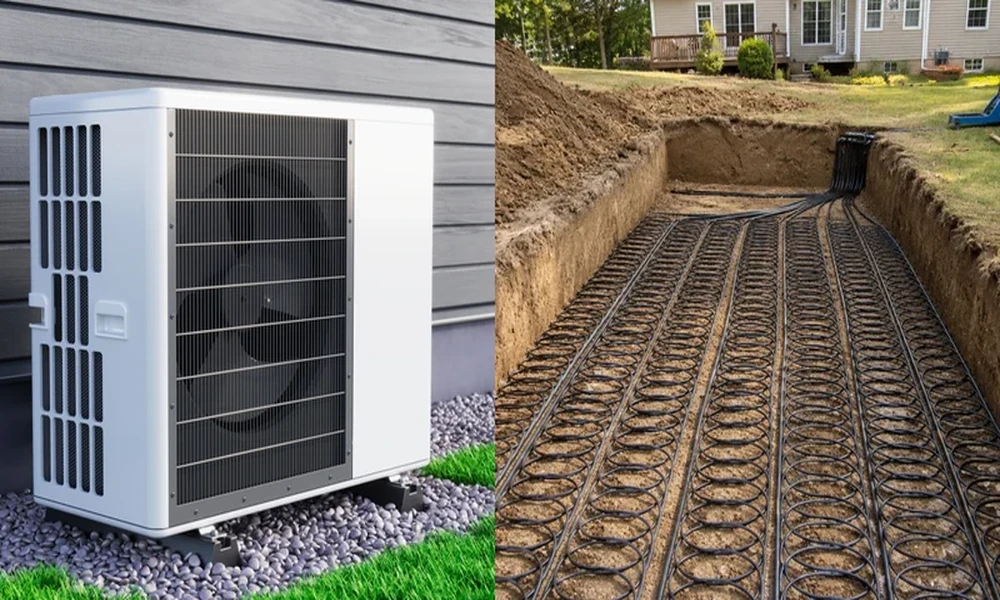
Your home’s heating and cooling system works hard to keep your indoor space comfortable, no matter what the weather is doing outside. From freezing winter mornings to hot summer afternoons, your HVAC system constantly adjusts to changing temperatures. While most homeowners notice the comfort it provides, they may not realize how much seasonal weather affects the system itself. Every shift in temperature, humidity, and airflow can influence how efficiently your equipment performs.
Understanding how weather impacts your HVAC system can help you keep it running more efficiently throughout the year. Small changes in your maintenance routine and paying attention to seasonal demands can reduce unnecessary wear and help prevent unexpected breakdowns. If you’re looking for dependable Springfield, OR heating and cooling services, knowing how different weather conditions affect your system is a great place to start.
Why Seasonal Weather Puts Your HVAC System to the Test
Unlike many household appliances, your heating and cooling system doesn’t work the same way all year long. During periods of extreme heat or cold, it often runs for much longer than it does during mild weather. The harder it works, the more stress is placed on important components such as the compressor, blower motor, air filter, and thermostat.
Seasonal weather also changes the conditions around your home. Outdoor units collect dirt, leaves, pollen, and other debris throughout the year, while indoor components deal with dust, humidity, and changing airflow. These factors may seem minor on their own, but together they can reduce efficiency and increase energy use if regular maintenance is overlooked.
Summer Heat Makes Your Air Conditioner Work Harder
When outdoor temperatures rise, your air conditioner has to remove more heat from inside your home. On especially hot days, the system may run for longer periods without shutting off as frequently. While this is often normal, continuous operation naturally creates more wear on mechanical parts.
High temperatures can also affect the outdoor condenser unit. If airflow around the unit is restricted by leaves, grass, or other debris, the system has to work even harder to release heat. Keeping the outdoor unit clean and allowing plenty of open space around it helps improve efficiency during the hottest months of the year.
Closing blinds during the day, using ceiling fans, and avoiding unnecessary heat from ovens or dryers can also reduce the workload on your cooling system.
Cold Weather Places Extra Demand on Heating Equipment
Winter brings a different set of challenges. As outdoor temperatures drop, your heating system must work harder to maintain a comfortable indoor temperature. Longer heating cycles are common during cold weather, especially when temperatures remain below freezing for extended periods.
If your furnace or heat pump hasn’t been serviced recently, small issues may become more noticeable during the winter months. Dirty filters, worn components, or restricted airflow can reduce heating performance while increasing energy consumption.
Replacing air filters regularly and scheduling seasonal inspections before winter arrives can help your heating system perform more efficiently when you need it most.
Humidity Affects Indoor Comfort More Than You Think
Temperature isn’t the only weather condition that affects your HVAC system. Humidity also plays an important role in how comfortable your home feels throughout the year.
During the summer, high humidity makes warm air feel even hotter because moisture slows the body’s natural cooling process. Your air conditioner helps remove some of this excess humidity while cooling the air, but extremely humid conditions may cause the system to run longer than usual.
In winter, indoor air often becomes much drier. Low humidity can make the air feel cooler than it actually is and may contribute to dry skin, irritated sinuses, and static electricity. Maintaining balanced humidity levels improves comfort while helping your HVAC system operate more effectively.
Seasonal Allergens Can Affect Airflow
Each season brings different airborne particles into your home. Spring pollen, summer dust, fall leaves, and winter dust buildup all place additional strain on your HVAC system.
As these particles collect inside the air filter, airflow gradually becomes restricted. A clogged filter forces the system to work harder to circulate air, reducing efficiency while increasing energy use.
Changing your HVAC filter according to the manufacturer’s recommendations is one of the simplest ways to support both indoor air quality and system performance throughout the year.
Watch for Signs Your HVAC System Is Struggling
Weather changes often reveal problems that weren’t noticeable during milder conditions. Paying attention to these warning signs can help you address small issues before they become expensive repairs.
Some common signs include:
- Uneven temperatures between rooms
- Higher-than-normal energy bills
- Weak airflow from vents
- Unusual noises during operation
- Frequent cycling on and off
- Difficulty maintaining the thermostat setting
- Excess indoor humidity
- Strange odors when the system starts
If you notice one or more of these symptoms during seasonal weather changes, it’s a good idea to have your system inspected.
Your Thermostat Plays a Bigger Role Than You Realize
Many homeowners focus on the HVAC equipment itself but overlook the thermostat. A properly functioning thermostat helps your heating and cooling system respond efficiently as outdoor temperatures change.
Programmable and smart thermostats allow you to adjust indoor temperatures automatically based on your daily schedule. Instead of heating or cooling an empty home, the system operates only when needed, helping reduce energy consumption without sacrificing comfort.
Even small thermostat adjustments made throughout the year can contribute to noticeable savings on monthly utility bills.
Seasonal Maintenance Helps Prevent Unexpected Repairs
Routine maintenance is one of the most effective ways to prepare your HVAC system for changing weather conditions. Professional inspections allow technicians to identify worn components, clean important parts, check electrical connections, inspect refrigerant levels, and verify that the entire system is operating efficiently.
Preventive maintenance is especially valuable before summer and winter because these seasons place the greatest demand on heating and cooling equipment. Addressing minor issues early often prevents larger problems from developing during periods of heavy use.
Keeping up with seasonal maintenance also supports better energy efficiency and may help extend the lifespan of your HVAC system.
Small Habits Can Improve Year-Round Performance
Maintaining your HVAC system doesn’t always require major repairs or expensive upgrades. Simple habits throughout the year can reduce unnecessary wear while helping your equipment perform more efficiently.
Keeping vents open, replacing air filters regularly, cleaning around the outdoor unit, sealing air leaks around windows and doors, and scheduling professional inspections all contribute to a healthier HVAC system.
These small maintenance tasks require very little time but can have a lasting impact on comfort, efficiency, and long-term system reliability.
Conclusion
Your home’s heating and cooling system works differently as the seasons change, and every type of weather brings its own challenges. Hot summers, cold winters, changing humidity levels, and seasonal allergens all affect how efficiently your HVAC equipment operates. Understanding these seasonal demands makes it easier to care for your system before problems develop.
By staying on top of routine maintenance and making a few simple adjustments throughout the year, you can improve comfort, lower energy costs, and reduce the likelihood of unexpected repairs. A little seasonal care goes a long way toward keeping your heating and cooling system running smoothly, no matter what the weather brings.
