

Key Takeaways
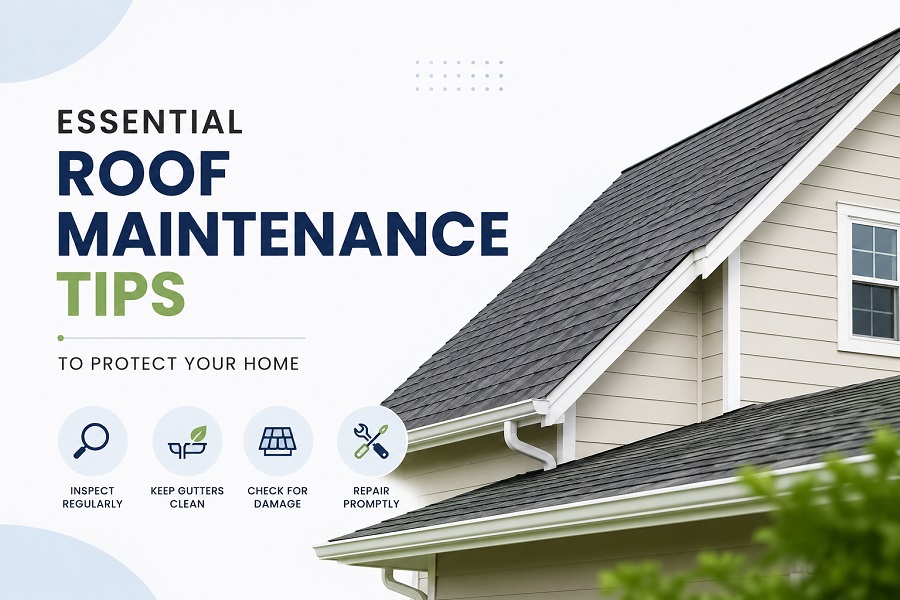
- Regular inspections help identify and address minor issues before they escalate.
- Keeping gutters clean prevents water damage and structural problems.
- Trimming overhanging branches reduces debris and potential damage.
- Addressing moss and algae growth prevents moisture retention and deterioration.
- Ensuring proper attic ventilation prevents ice dams and heat buildup.
Maintaining your roof is crucial to protect your home from wind, rain, sun, and snow, as well as to avoid costly repairs. Using Quality roofing materials and regular maintenance can extend your roof’s lifespan while ensuring your family’s safety and indoor comfort. Your roof is your home’s first line of defense so that a proactive maintenance approach can save you from significant expenses down the road. A well-maintained roof prevents leaks, heat loss, pest infestations, and mold growth. Homeowners who consistently maintain their roofs can also detect issues early, minimizing property damage. Investing in high-quality products and regular inspections can lead to fewer insurance claims and greater peace of mind. Different homes may require unique solutions depending on climate and roof type, so using the right materials is essential for durability. Those living in areas with harsh weather or frequent storms may benefit from specialized systems engineered for higher resistance, such as America Roofing extreme weather materials, designed to stand up to even the toughest conditions.
Regular Roof Inspections
Undertaking bi-annual roof inspections, ideally in the spring and fall, is one of the most effective ways to keep your roof in top condition. Look for missing, cracked, or curling shingles that signal the need for repair or replacement. Additionally, check the attic for any signs of water intrusion, moisture, or light coming through the boards. Inspections are particularly important after storms, hail, or high winds, which can cause hidden structural issues.
Keep Gutters and Downspouts Clean
Leaves, twigs, and dirt can block gutters and downspouts, causing water to back up beneath the shingles and rot your roof’s edge. Regular cleaning, at least twice per year, ensures water flows properly away from your roof and home foundation. Debris accumulation can also add weight to the gutter system, making it susceptible to pulling loose from the fascia or soffit. Managing runoff can prevent landscape erosion and structural issues in basements or crawlspaces.
Trim Overhanging Branches
Trees can add curb appeal and shade, but branches hanging over your roof can quickly turn into a hazard. Strong winds or storms can cause them to scrape against shingles, removing granules and leaving bare spots vulnerable to UV rays and moisture. It is advisable to trim branches at least 10 feet away from your roofline. This reduces debris accumulation, such as leaves and acorns, which can clog gutters and retain moisture, encouraging moss and mildew growth.
Check for Roof Debris and Remove Promptly
Beyond cleaning gutters, it is important to regularly remove debris such as leaves, pine needles, and dirt from your roof surface. Accumulated debris can trap moisture, accelerate shingle deterioration, and create an inviting environment for pests. In regions prone to heavy snowfall or falling leaves, this is especially crucial. By periodically clearing your roof, you help maintain its protective capabilities and prevent weight accumulation that could strain the underlying structure. For safety, always use proper equipment and consider hiring professionals for steeply sloped roofs or high areas.
Address Moss and Algae Growth
Moss and algae often flourish in damp, shaded areas of your roof and are more than just an aesthetic concern. They can trap moisture, which can eventually cause shingles to degrade, curl, or lift. Moss is especially harmful to wood and asphalt shingles, leading to rot or early failure. Use gentle, non-corrosive cleaning solutions or consult a professional service for removal to avoid damaging your roof. Proactive treatment helps halt future outbreaks and extends the life of your roofing material. The Better Homes & Gardens guide to moss removal offers tips on safe, thorough cleaning techniques.
Ensure Proper Attic Ventilation
Attic ventilation is vital for a healthy home. Without it, hot air and moisture can build up quickly, leading to a range of problems, including warped wood, ice dams, mold growth, and even shingle deformation. Properly installed intake and exhaust vents balance airflow, reducing utility costs year-round and maintaining your home’s structural integrity. R-49 insulation is recommended by the Department of Energy for attics in colder regions, helping maintain a consistent temperature and improving roof performance.
Consider Roof Coatings and Sealants
Additional protective measures, such as reflective coatings or elastomeric sealants, can enhance your roof’s ability to withstand harsh sunlight and intense weather fluctuations. Applying these coatings helps protect the underlying materials from UV rays, minimizes the risk of thermal cracking, and supports greater energy efficiency by reducing heat absorption. These preventive treatments are especially beneficial for flat or low-slope roofs, which are more prone to water pooling and gradual wear. Always ensure the selected product is appropriate for your specific roofing material to maximize effectiveness and longevity.
Repair Damaged Shingles Promptly
Shingles are your roof’s armor. If you notice cracked, blistered, or missing shingles, act without delay. Openings can allow water to infiltrate the underlying layers, causing leaks and potentially damaging ceilings, drywall, and insulation inside your home. Use matching shingles for repairs to maintain uniform protection and appearance. Addressing even small sections of damage can prevent extensive, expensive repairs later.
Preventative Maintenance for Long-Term Durability
To further enhance your roof’s durability, consider applying preventive protective treatments, such as waterproof coatings or UV-reflective sealants. These products can provide an extra layer of defense against the elements. Establishing a habit of visually inspecting your roof after every significant weather event can help you catch issues while they are still manageable. If you notice sudden changes in your utility bills, it could be a sign of insulation or ventilation problems in your roof. Address these quickly to maintain the comfort and safety of your living space. Periodically inspecting chimneys, skylights, and roof penetrations, like vents and solar panels, helps ensure flashing remains intact, which is crucial for preventing leaks at these vulnerable points. Remember, proper roof maintenance is an ongoing process, not a one-time effort. Make a schedule or set reminders for regular checks and minor repairs. Staying organized helps you avoid forgetting essential seasonal tasks. Homeowners who take consistent care of their roofs find that not only does their roof last longer, but it also increases property value and marketability if it comes time to sell. Roof health is ultimately a reflection of your overall commitment to home maintenance and can save you thousands in the long run.
Monitor for Signs of Wildlife Intrusion
Small animals and birds often seek shelter in vulnerable roof openings, especially during colder months. Watch for noises in the attic, droppings, nesting material, or chewed insulation, as these could indicate an active infestation. Squirrels, rats, raccoons, and even bats can enter through loose shingles or vent openings, further deteriorating your roof. To prevent these issues, keep trees trimmed, seal entry points promptly, and install screened vents or critter guards. Prompt action leaves less opportunity for animals to cause damage or bring in moisture and disease.
Schedule Professional Inspections
Though DIY inspections are valuable, scheduling a comprehensive annual inspection by a licensed roofing contractor ensures any subtle issues, such as flashing defects or concealed water damage, are detected and remedied. Professionals use specialized tools and knowledge to examine every aspect of your roof’s structure, providing a level of precision not achievable with a simple walkaround.
Choose the Right Roofing Materials for Your Climate
One of the most overlooked aspects of roof care is choosing the best roofing material suited to your local weather conditions and architectural needs. For instance, asphalt shingles are popular for their affordability and straightforward installation, but metal roofing excels in areas prone to extreme temperature swings and heavy precipitation. Tile or slate roofs, while heavier and more expensive, offer exceptional longevity and classic aesthetics, making them ideal in regions with high winds or frequent hail. If you live in a humid or coastal area, opt for materials that resist mold, corrosion, and salt damage. Consulting a roofing professional about the latest advancements or regional trends ensures your investment stands the test of time and climate demands.
Integrate Roof Maintenance with Overall Home Care
Effective roof care should be part of a broader home maintenance routine, integrating tasks like landscaping, pest control, and yearly HVAC servicing. For example, maintaining effective drainage around your property can greatly impact your roof’s condition. A well-drained yard will help minimize water pooling around your home’s foundation, preventing potential seepage issues that can travel upwards to the roof via capillary action. Comprehensive record-keeping for roof-related repairs, product warranties, and routine inspections also streamlines future work and helps make informed decisions should you ever need significant repairs or a full replacement.
Innovations in Roof Technology and Sustainability
Roofing technology is rapidly advancing, offering homeowners exciting new opportunities to boost durability and efficiency. Solutions such as solar shingles, green roofs (vegetated layers), and cool roof coatings reflect sunlight, lowering attic temperatures and reducing energy consumption. For sustainability-minded homeowners, recycled materials and ENERGY STAR®-rated products are now widely available and can help reduce an ecological footprint. Upgrading your roof to include these innovations not only increases property value but also demonstrates a commitment to environmental stewardship. Moreover, local and federal incentives may be available for energy-efficient upgrades, so it’s wise to research potential rebates or savings programs before undertaking a reroof or major renovation.
Recognizing Signs of Roof Aging and When to Replace
Even the most meticulously cared-for roof will eventually reach the end of its useful life. Recognize the indicators of an aging roof: widespread staining, sagging spots, increased frequency of leaks, or granule loss in asphalt shingles. If your roof is approaching 20 to 30 years old (depending on the materials used), it may be time to start planning a replacement rather than repairs. Professional contractors can advise on the safest timeline and best replacement options, whether upgrading to modern, more resilient materials or adding aesthetic touches for curb appeal. Timely replacement will prevent interior water damage, protect structural elements, and reduce the risk of emergency interventions from severe weather events.
Conclusion
Regular roof maintenance protects your most significant investment: your home. Through periodic inspections, cleaning, preventive treatments, and prompt repairs, you can avoid major roof problems, reduce expenses, and extend your roof’s lifespan. Staying proactive, hiring professional support when needed, and using quality roofing products ensures your home remains resilient to the elements year after year. Ultimately, thoughtfully tending to your roof is a decision that benefits you for as long as you own your home. It fortifies your property against unexpected disasters while upholding comfort and structural integrity for those you care about. The relatively small investments of time, care, and occasional professional help will yield ongoing reliability, peace of mind, and a home you can truly count on, season after season.
