

Clean drinking water is very essential for our daily health. Many people want the best filtration system for their home. Two popular choices face consumers in the market today. Each system cleans your tap water in a different way. You must understand these differences before making a choice. Your final decision depends on your specific water quality needs. Let us explore these two methods to find your match.
Understanding the Intense Power of Membrane Filtration
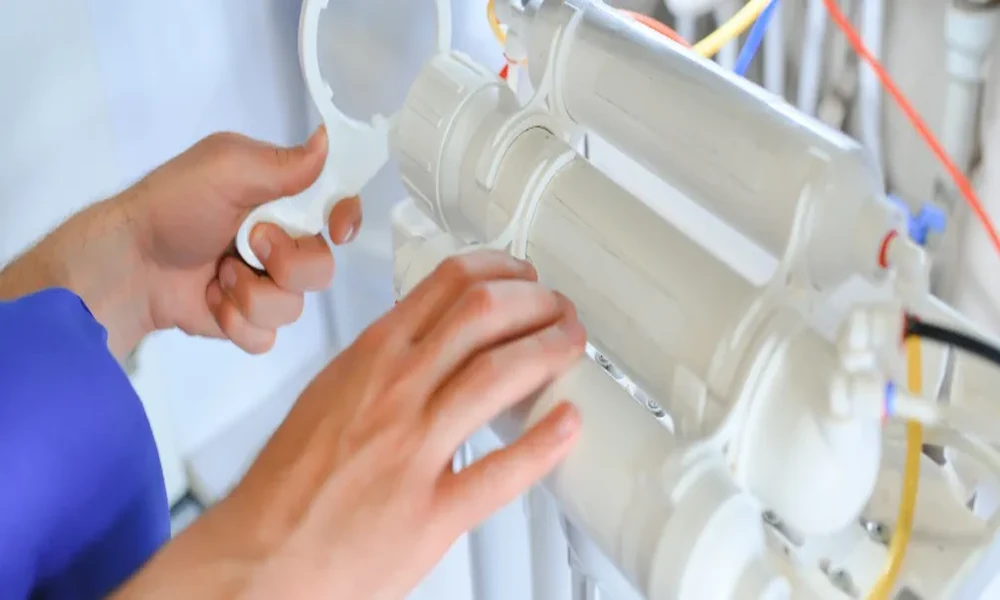
The first major option relies on a very dense membrane. This advanced technology powers reverse osmosis water systems to clean tap water deeply. The system forces water through a microscopic semipermeable barrier. This process successfully blocks almost all invisible dissolved solids. Heavy metals and harmful salts cannot pass through this tiny barrier. The system separates pure water from highly contaminated wastewater efficiently. It delivers incredibly clean water to your kitchen tap daily.
Exploring the Natural Trapping Ability of Activated Carbon
The second popular option utilizes a highly porous block of carbon. This method works through a natural process called chemical adsorption. The carbon surface attracts and traps many organic chemicals easily. It works perfectly for removing taste and odor issues. Chlorine is a common chemical that carbon targets very successfully. This filter does not create any wastewater during the process. It keeps all the natural minerals inside your drinking water.
Comparing the Contaminant Removal Capabilities of Each Filter
The filtration power varies greatly between these two common systems. A membrane system removes tiny particles like lead and arsenic. It even strips away beneficial minerals like calcium and magnesium. Carbon filters cannot remove these dissolved minerals and heavy metals. But carbon is excellent for pesticides and volatile organic compounds. Sometimes you need a system that targets specific local chemicals. Testing your home water quality first will reveal your true needs.
Analyzing Wastewater Production and Daily Maintenance Needs
System maintenance is another crucial factor for every busy homeowner. Reverse osmosis setups require multiple filters and a storage tank. They produce several gallons of wastewater for every clean gallon. This wastewater production might bother environmentally conscious homeowners significantly. Carbon filters are much simpler and fit directly under sinks. You only replace the single cartridge every few months easily. Now you must weigh water waste against pure filtration power.
Evaluating Final Installation Costs and Kitchen Space Requirements
Space under your kitchen sink affects your choice greatly. The membrane system requires significant space for the storage tank. Professional installation is often necessary for these complex plumbing setups. So, the initial purchase price is usually much higher. Carbon systems are very compact and require simple tools for setup. You can install a basic carbon filter without professional help. Budget and available cabinet space will guide your final purchase.
Choosing the Best Option for Your Healthy Home
Your choice depends on the starting quality of your water. Well water with heavy metals requires a strong membrane system. City water with basic chlorine tastes needs a carbon block. Think about your monthly budget and your physical space limits. Both systems will improve your daily hydration experience significantly. Now you can select the perfect purifier for your family.
