


The Core Pillars of Essential Home Maintenance
As homeowners, we understand that our property is more than just a place to live; it’s a significant financial asset and the foundation of our daily lives. Protecting this investment requires a proactive approach to maintenance, focusing on preventative care rather than reactive repairs. By embracing a consistent maintenance schedule, we can significantly extend our home’s longevity, enhance its comfort, and preserve its market value. Think of it as a comprehensive health plan for your house – regular check-ups prevent major illnesses.
Budget planning is an integral part of this strategy. Homeowners who perform regular maintenance can save up to 30% on repair costs over time. This isn’t just about fixing things when they break; it’s about anticipating potential issues and addressing them before they escalate into expensive problems. Many resources, like the comprehensive Art of Manliness Home Maintenance Checklist and the practical insights from the ValuePenguin Home Upkeep Guide, emphasize the importance of having a plan. We recommend setting aside a portion of your monthly budget specifically for maintenance expenses, creating an emergency fund for unexpected, larger repairs. This foresight ensures that when an issue arises, you’re financially prepared, avoiding potential debt or delays that could worsen the problem.
The ultimate goal of essential home maintenance is to maintain property value, ensure safety, and provide a comfortable living environment for our families. By adopting a systematic approach, we transform overwhelming tasks into manageable routines. This holistic view of home care ensures that every component, from the smallest faucet aerator to the largest roofing system, receives the attention it needs.
Monthly Routines in Essential Home Maintenance
Monthly maintenance tasks are the bedrock of a well-kept home. These seemingly small chores, when performed consistently, prevent minor issues from snowballing into major headaches. They focus primarily on systems and components that experience frequent use or require regular monitoring for safety and efficiency.
One of the most critical monthly tasks involves your HVAC system: checking or replacing furnace filters. Proper HVAC filter changes can improve system efficiency by up to 15%. This not only keeps your air clean but also reduces energy consumption and extends the life of your heating and cooling units. We advise inspecting filters monthly and replacing them every 1-3 months, depending on usage, pets, and allergies.
Safety devices demand consistent attention. Testing smoke alarms and carbon monoxide detectors is a non-negotiable monthly routine. A quick press of the test button ensures these life-saving devices are functioning correctly. While batteries should be replaced every six months (often coinciding with daylight saving time changes), monthly checks provide continuous peace of mind. For a visual guide to these essential tasks, the Essential Home Maintenance Video Guide offers practical demonstrations.
Kitchen and bathroom plumbing also require regular monthly care. Cleaning your garbage disposal by running cold water and a handful of ice cubes (perhaps with some vinegar for freshening) helps keep it clear and blades sharp. Faucet aerators and showerheads can accumulate mineral deposits, reducing water flow and efficiency. A quick cleaning helps maintain optimal water pressure and prevents clogs. Additionally, we make it a point to visually inspect visible plumbing under sinks and around toilets for any signs of leaks, discoloration, or corrosion. Early detection of a small drip can prevent significant water damage and mold growth.
Other monthly tasks include inspecting electrical cords for wear and tear, vacuuming heat vents to improve air circulation, and checking water softener salt levels if applicable. For a more detailed breakdown, resources like the HomePoint Monthly Checklists provide excellent templates to keep us on track. By dedicating a small amount of time each month to these routines, we contribute significantly to our home’s overall health and our family’s safety.
Seasonal Checklists for Essential Home Maintenance
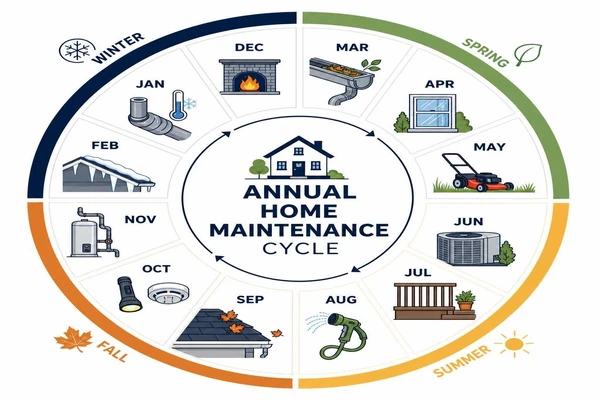
Beyond monthly tasks, a homeowner’s calendar is punctuated by seasonal maintenance, which addresses the unique challenges and opportunities each season presents. These seasonal checklists are crucial for preparing our homes for changing weather conditions, preventing damage, and maximizing efficiency.
Spring/Summer Maintenance (March-August) As the weather warms, our focus shifts to the exterior and cooling systems. Spring is the ideal time for thorough spring cleaning, both inside and out. Key tasks include:
- HVAC Servicing: Schedule a professional AC tune-up to ensure your cooling system runs efficiently before the summer heat.
- Gutter Cleaning: Clear out debris accumulated over winter. Regular gutter cleaning is vital as it prevents up to 90% of water damage issues in homes.
- Roof Inspection: A visual check for missing or damaged shingles, especially after winter storms.
- Foundation Checks: Inspect the foundation for new cracks and seal any existing ones.
- Exterior Paint and Siding: Look for peeling paint or damaged siding that may need repair.
- Window and Door Seals: Inspect weather stripping and caulking, replacing any that are worn to improve energy efficiency.
- Landscaping: Trim trees and shrubs away from the house, clear dead plants, and address insect problems.
- Deck and Patio: Clean and repair decks or patios, considering re-staining every 2-3 years.
- Outdoor Faucets: Ensure they are fully functional after winterization.
- Attic Inspection: Check for water damage or pest intrusion.
Fall/Winter Maintenance (September-February) As temperatures drop, the emphasis moves to winterization and preparing for colder weather.
- HVAC Servicing: Schedule a professional furnace inspection and tune-up to ensure safe and efficient heating.
- Gutter Cleaning: A final thorough cleaning after leaves have fallen is crucial to prevent ice dams and water overflow.
- Chimney Cleaning: If you have a fireplace, have the chimney and flue inspected and cleaned annually by a CSIA-certified sweep.
- Insulation Checks: Inspect attic and wall insulation for proper coverage and R-value.
- Sump Pump Inspection: Test your sump pump to ensure it’s ready for heavy rains or melting snow.
- Outdoor Faucet Draining: Drain and turn off outdoor water faucets to prevent pipes from freezing and bursting.
- Storm Windows/Doors: Install storm windows and doors for added insulation.
- Pest Control: Inspect for signs of termites or other pests seeking warmth indoors.
- Driveway/Walkways: Check for cracks and consider sealing to prevent winter damage.
- Interior Checks: Test electrical outlets, tighten loose handles, and check caulking around showers.
These seasonal adjustments are vital. For example, preparing for the transition from summer to fall is highlighted in guides like the Cambridge Crossing End-of-Summer Checklist, while region-specific advice, such as the Colony Fine Homes Oklahoma Fall Checklist, helps homeowners address local climate challenges. By following these seasonal routines, we ensure our homes are resilient and comfortable year-round.
Task Category Spring/Summer Focus Fall/Winter Focus Importance HVAC Systems AC tune-up, filter changes Furnace inspection, filter changes Energy efficiency, comfort, system longevity Exterior Drainage Gutter cleaning, downspout checks, grading Gutter cleaning (post-leaves), ice dam prevention Prevent water damage to foundation, roof, and siding Roof & Structure Post-winter inspection, minor repairs Pre-winter inspection, storm prep Prevent leaks, protect against weather damage, extend roof life Windows & Doors Screen repair, weather stripping inspection Install storm windows, seal drafts, lubricate locks Energy efficiency, security, draft prevention Plumbing Inspect for leaks, outdoor faucet checks Winterize outdoor faucets, insulate pipes Prevent burst pipes, water damage Safety Devices Test smoke/CO detectors, fire extinguisher check Test smoke/CO detectors, check chimney Life safety, fire prevention Landscaping Trim trees/shrubs, pest control, deck/patio care Rake leaves, clear debris, pest proofing Prevent damage from overgrown vegetation, fire hazards, pest entry Appliances Clean dryer vents, refrigerator coils Flush water heater, clean humidifier Efficiency, safety, prevent breakdowns
Protecting Major Structural Systems and Preventing Costly Repairs
The structural integrity of our homes is paramount, serving as the primary defense against the elements and ensuring long-term stability. Focusing on major structural systems like the roof, foundation, and exterior envelope is essential for water damage prevention, maintaining energy efficiency, and protecting our most significant investment. Proactive care for these components can prevent minor issues from escalating into catastrophic and expensive repairs. Understanding the intricacies of our home’s exterior, from effective siding installation guidance to Home maintenance gutter installation, empowers us to safeguard our property effectively.
Roof Inspections and Exterior Envelope Care
The roof is arguably the most critical component of our home’s exterior, bearing the brunt of weather conditions from scorching sun to heavy snow and high winds. Regular roof inspections are non-negotiable. We recommend having a professional conduct these inspections annually, especially if you live in an area prone to severe weather. Even in milder climates, a thorough check every three years by a qualified roofer is advisable. These inspections can identify issues like curling or buckling asphalt shingles, missing granules (a sign of aging), or loose panels on metal roofs, all of which can compromise the roof’s integrity.
When damage is detected, timely roof repair is crucial. Small leaks, if left unaddressed, can lead to extensive water damage to ceilings, walls, and insulation, potentially fostering mold growth. For more significant issues or storm-related damage, structural roof repair might be necessary to restore the roof’s load-bearing capacity and overall stability. Specialized services for leak detection services can pinpoint the exact source of water intrusion, preventing unnecessary and costly exploratory demolition.
Beyond the roof, proper management of water runoff is vital. This is where gutters and downspouts come into play. Clogged gutters can cause water to overflow, leading to fascia damage, foundation erosion, and even basement flooding. Regular cleaning, especially in spring and fall, is essential. For comprehensive solutions, professional gutter installation ensures that water is efficiently directed away from your home’s foundation. In fact, many homeowners find that investing in professional Home maintenance gutter installation can be a cost-effective preventative measure against future water damage.
The exterior siding also plays a crucial role in protecting your home. Inspect siding annually for cracks, warping, or signs of pest infestation. Promptly addressing these issues, or considering professional siding installation when necessary, maintains your home’s aesthetic appeal and its protective barrier. By diligently caring for our roof and exterior envelope, we actively prevent costly structural damage and ensure our home remains resilient against the elements.
HVAC, Plumbing, and Appliance Care
Our home’s interior systems – HVAC, plumbing, and major appliances – are the workhorses that provide comfort and convenience. Neglecting their maintenance can lead to significant energy waste, costly breakdowns, and even safety hazards. Proactive care ensures their efficiency and extends their lifespan.
The HVAC system, encompassing both heating and air conditioning, requires consistent attention. Beyond monthly filter changes, we advise scheduling professional tune-ups annually. For instance, an AC service in spring prepares your unit for summer, while a furnace inspection in fall ensures safe and efficient heating during winter. These professional checks can identify minor issues, such as low refrigerant levels or faulty components, before they lead to a complete system failure.
Plumbing maintenance goes beyond checking for visible leaks. Flushing your water heater annually helps remove sediment buildup, which can reduce efficiency and shorten the unit’s life. For drains, regular cleaning with natural solutions (like baking soda and vinegar) can prevent clogs. If you encounter persistent issues, such as slow drains or constantly running toilets, it’s wise to consult a professional to avoid more severe problems like pipe corrosion or burst pipes.
Major appliances, often taken for granted, also benefit immensely from regular maintenance. We’re talking about everything from your refrigerator to your washing machine and dryer. For example, cleaning refrigerator coils at least twice a year can significantly improve its energy efficiency and prevent premature breakdown. This simple task alone can save up to $100 annually in energy costs. Similarly, cleaning dryer vents after every load and performing an annual deep clean of the dryer duct prevents lint buildup, which is a leading cause of house fires. Neglecting these can lead to the need for Essential appliance repair that could have been avoided. For more complex issues or when a DIY fix isn’t enough, seeking expert appliance repair services can save you time and money in the long run.
According to HomeGuide, the average homeowner spends a considerable amount on maintenance, underscoring the value of proactive care. By integrating these practices into our routine, we not only extend the life of our appliances and systems but also prevent unexpected and often expensive repairs, as detailed in resources like the HomeGuide Maintenance Costs.
Interior Safety, Clutter Control, and Essential Tools
Maintaining a safe, efficient, and comfortable interior environment is just as crucial as protecting the exterior. This involves diligent attention to fire prevention, ensuring good indoor air quality, managing clutter, and equipping ourselves with the right tools for the job. Our home’s interior reflects our commitment to a well-ordered life, and proactive measures here contribute significantly to peace of mind. Resources like the CHB Inspections Home Maintenance Manual and the SERVPRO Home Essentials Checklist provide valuable insights into these critical areas.
Fire Prevention, Safety Devices, and Pest Control
Fire safety is paramount. We must regularly check and maintain all fire prevention devices. This includes testing smoke alarms and carbon monoxide detectors monthly and replacing their batteries at least twice a year (many homeowners tie this to daylight saving time changes). Fire extinguishers should be easily accessible, and their pressure gauges checked monthly to ensure they are fully charged. Knowing how to use them and having an emergency escape plan for every room are also vital.
For homes with fireplaces, annual chimney sweep services are indispensable. A CSIA-certified chimney sweep can inspect and clean your chimney and flue, removing creosote buildup that can lead to dangerous chimney fires. Services like Ardmore Chimney & Fireplace Services highlight the importance of professional care for these systems.
Pest control is another critical aspect of interior safety. Termites, rodents, and other pests can cause significant damage to your home’s structure and pose health risks. We recommend annual termite inspections, especially in warmer climates, to catch infestations early. Regularly sealing cracks and gaps in your home’s foundation and exterior, maintaining a clean yard free of debris, and storing food properly can deter many common pests. If you suspect an infestation, prompt professional intervention is key to preventing widespread damage.
Beyond these, good indoor air quality is vital. Regularly cleaning or replacing HVAC filters, cleaning dryer vents, and ensuring proper ventilation in bathrooms and kitchens all contribute to a healthier living environment, reducing allergens and preventing mold growth.
The Essential DIY Maintenance Toolkit

Every homeowner, regardless of their skill level, benefits from having a well-stocked and organized toolkit. This isn’t about becoming a master craftsman overnight, but about having the basic implements to tackle common household issues and perform routine maintenance tasks. Starting with a few essential items can save countless trips to the hardware store and empower you to address problems promptly.
For basic hand tools, we recommend:
- Hammer: A medium-weight hammer with a comfortable grip for hanging pictures, light demolition, and minor repairs.
- Screwdriver Set: Both Phillips and flathead screwdrivers in various sizes, ideally a magnetic set to prevent dropping screws.
- Adjustable Wrench: For tightening nuts and bolts on plumbing fixtures and appliances.
- Pliers: A combination of slip-joint, needle-nose, and possibly locking pliers for gripping, bending, and cutting.
- Utility Knife: Indispensable for opening boxes, cutting materials, and various tasks.
- Tape Measure: A 25-foot retractable tape measure with a lock mechanism is highly practical.
- Level: For ensuring shelves, pictures, and other installations are perfectly straight.
- Stud Finder: Essential for safely hanging items on walls by locating structural supports.
As your skills and projects grow, you might consider adding a few power tools:
- Cordless Drill: One of the most versatile tools for drilling holes and driving screws.
- Power Washer: For cleaning driveways, decks, and exterior surfaces.
Safety gear is non-negotiable for any DIY project. Always include safety goggles, work gloves, and dust masks in your kit. Ear protection is wise for power tool use, and a basic first aid kit should always be readily accessible.
Proper tool maintenance ensures your tools last longer and perform effectively. We make it a practice to clean tools after each use to prevent rust, store them in a dry, secure location (like a toolbox or pegboard), and regularly sharpen blades on knives and saws. Lubricating moving parts periodically and inspecting tools for damage before each project are also good habits. Having these essentials on hand and well-maintained means you’re always prepared to keep your home in top shape.
Frequently Asked Questions about Home Upkeep
Even with the best intentions and a diligent maintenance schedule, questions inevitably arise about specific tasks, budgeting, and the potential consequences of neglect. We’ve compiled answers to some of the most frequently asked questions to provide clarity and reinforce the importance of consistent home upkeep. Understanding these aspects helps us make informed decisions and protect our investment effectively.
How much should homeowners budget annually for maintenance?
Budgeting for home maintenance is a critical,, aspect of homeownership. While the exact amount can vary widely based on factors like your home’s age, size, location, and condition, a common rule of thumb suggests setting aside 1% to 4% of your home’s value annually. For example, a home valued at $300,000 might require an annual maintenance budget of $3,000 to $12,000.
Statistics reinforce this need: homeowners who perform regular maintenance can save up to 30% on repair costs over time. Conversely, neglecting maintenance can lead to unexpected, costly repairs that quickly drain savings. For instance, the average roof replacement costs around $11,610, while a new HVAC unit can set you back approximately $6,836. These figures highlight the importance of not only a regular maintenance budget but also an emergency fund specifically for major repairs.
According to the U.S. Census American Housing Survey, homeowners spend about $500 per year on regular maintenance for smaller homes (1,000-1,499 sq ft), increasing to around $850 per year for larger properties (2,500-2,999 sq ft). These figures are for routine tasks, not major system replacements. We advise homeowners to consider their specific circumstances, including local climate (e.g., extreme cold, hurricane zones, wildfire-prone areas), which can necessitate higher budgets due to increased wear and tear or specific preventative measures. Proactive budgeting ensures that when a major system needs attention, you’re financially prepared, preventing delays that could worsen the problem.
How often should a residential roof be inspected?
The frequency of residential roof inspections is a common concern, and for good reason-the roof is your home’s primary shield against the elements. While some sources suggest a professional inspection every three years, we advocate for annual inspections, especially in regions prone to severe weather such as high winds, heavy snowfall, or frequent storms.
Annual inspections allow professionals to identify minor issues, like loose or cracked shingles, damaged flashing, or granule loss, before they escalate into significant leaks. Homes with well-maintained roofs can last 20-30 years longer than those that lack regular inspections. For asphalt shingle roofs, which typically have a lifespan of 15 to 30 years, annual checks help maximize their longevity. Older roofs, or those that have recently endured a major storm, may warrant even more frequent scrutiny.
Beyond professional inspections, we encourage homeowners to perform visual checks of their roof from the ground after every major weather event. Look for missing shingles, visible damage, or excessive debris. Pay attention to your gutters as well; a large accumulation of granules indicates your roof is losing its protective coating and may be nearing the end of its life. Early detection is key to preventing costly interior water damage and extending the life of your roof.
What are the consequences of neglecting routine home maintenance?
Neglecting routine home maintenance might seem like a way to save time or money in the short term, but the long-term consequences are often severe and far more costly. We’ve seen how minor oversights can snowball into major problems, impacting both your wallet and your peace of mind.
One of the most significant financial repercussions is property devaluation. Neglecting home maintenance can reduce a home’s value by 10-20% over just five years. A poorly maintained home is less attractive to potential buyers and often requires substantial investment to bring it up to market standards.
Beyond devaluation, neglected maintenance can lead to costly structural failures. A leaky roof, if ignored, can cause widespread water damage, rot, and mold, compromising the integrity of your ceilings, walls, and even the foundation. Clogged gutters can lead to foundation cracks and basement flooding. Unaddressed HVAC issues can result in system failure, leaving you without heating or cooling and facing an expensive replacement.
Perhaps most critically, neglecting maintenance can lead to insurance claim denials. Homeowners insurance policies typically do not cover damage resulting from normal wear and tear or a lack of maintenance. For example, if you’re aware of missing roof shingles but choose not to repair them, and a subsequent storm causes a leak, your insurance company may deny the claim, arguing that the damage was preventable. Similarly, if a dead tree on your property falls and causes damage, your insurance might not cover it if you knew the tree was a hazard but failed to remove it. These scenarios underscore the importance of documenting your maintenance efforts and promptly addressing known issues.
Neglecting routine home maintenance transforms your home from a cherished asset into a liability, eroding its value, jeopardizing its safety, and creating financial burdens that could have been easily avoided with consistent, proactive care.
Conclusion
Our homes are sanctuaries, investments, and the backdrop to our lives. As we’ve explored, protecting this vital asset through essential home maintenance is not merely a chore, but a crucial responsibility that yields significant returns in comfort, safety, and financial stability. By embracing a proactive approach, from diligently following monthly routines to adhering to seasonal checklists, and by paying close attention to major structural systems and interior safety, we empower ourselves to prevent costly repairs and preserve our property’s value for years to come.
The journey of homeownership is continuous, and maintenance is its ongoing narrative. We encourage you to integrate these practices into your lifestyle, creating a practical household cleaning and maintenance schedule that works for you. Remember the statistics: regular maintenance saves money, prevents devaluation, and ensures your home’s systems run efficiently.
When tasks exceed your DIY capabilities or require specialized expertise, don’t hesitate to seek professional assistance. Whether it’s a complex roofing repair, a comprehensive HVAC inspection, or a detailed appliance service, experts are equipped to provide the precise care your home needs. By combining your diligent efforts with professional support, you secure not just the structure, but the peace of mind that comes with a well-maintained home.
