

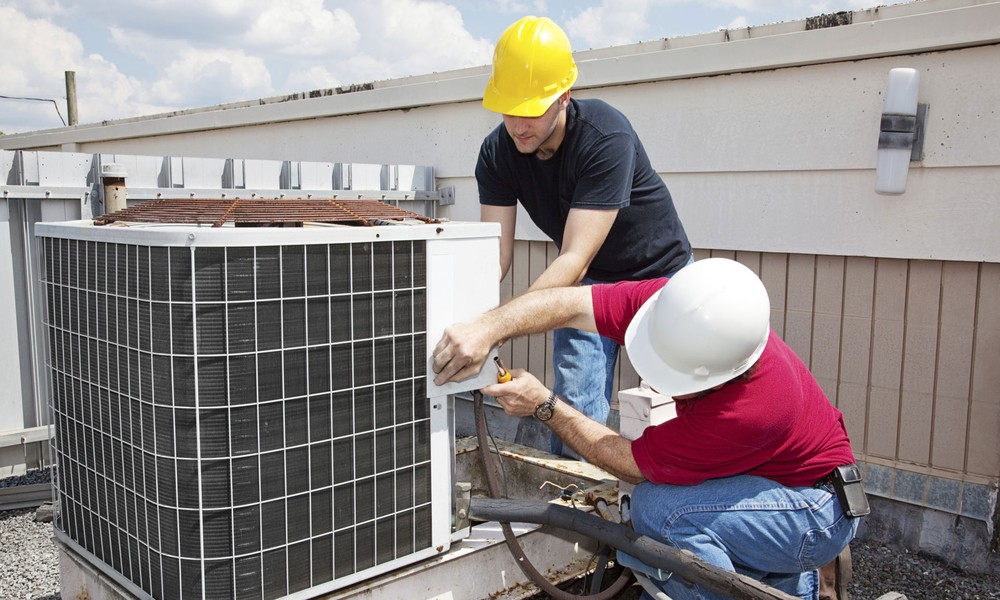
Most homeowners expect their heating and cooling system to work quietly in the background without much thought. But HVAC systems rarely fail without warning. In many cases, they show small signs of trouble long before a major breakdown happens. Paying attention to those early warning signals can help prevent expensive repairs, improve energy efficiency, and keep your home comfortable throughout the year.
When unusual noises, weak airflow, or inconsistent temperatures begin affecting your home, it is often a sign that professional attention is needed. Working with an experienced HVAC contractor in Naches, WA can help identify hidden problems early and prevent small issues from becoming costly system failures. Early inspections also help homeowners maintain safer and more reliable indoor comfort during extreme seasonal temperatures.
Uneven Temperatures Throughout the Home
One of the most common signs of HVAC trouble is uneven heating or cooling between rooms. If one area of the house feels too warm while another stays noticeably colder, the system may no longer be distributing air properly. Several issues can cause temperature inconsistencies, including:
- Blocked or leaking ductwork
- Dirty air filters
- Failing blower motors
- Thermostat calibration problems
- Aging HVAC equipment
Poor airflow forces the system to work harder than necessary, which increases energy usage and places additional stress on internal components. Over time, this can shorten the lifespan of the entire system.
Strange Noises Should Never Be Ignored
Heating and cooling systems naturally make some operational sounds, but loud or unusual noises are often signs of mechanical problems. Common warning sounds include:
- Banging or clanking
- Squealing or screeching
- Grinding noises
- Rattling inside vents or units
- Buzzing from electrical components
These sounds may indicate loose parts, worn belts, motor damage, or electrical issues. Ignoring them can lead to larger failures that require more extensive repairs or full system replacement. If noises suddenly become more frequent or intense, scheduling an inspection quickly is usually the safest approach.
Rising Energy Bills Without Explanation
An unexpected increase in utility costs is another major warning sign. HVAC systems lose efficiency as components wear down or airflow becomes restricted. Even small issues can force the equipment to consume more energy to maintain the same indoor temperature. Several factors can contribute to rising energy bills:
- Dirty evaporator or condenser coils
- Refrigerant leaks
- Failing thermostats
- Clogged filters
- Aging furnace or air conditioner components
Many homeowners overlook these gradual efficiency losses because the system still appears to function normally. However, a system that constantly struggles to maintain temperature often signals an underlying repair issue.
In situations like this, a trusted HVAC contractor in Naches, WA can evaluate system performance and recommend maintenance or repairs that restore efficiency and reduce unnecessary energy consumption.
Weak Airflow From Vents
Weak airflow is often one of the earliest indicators of HVAC problems. If air barely comes through the vents, the system may be struggling to circulate conditioned air effectively. Common causes include:
- Blocked ductwork
- Dirty filters
- Blower motor issues
- Frozen evaporator coils
- Air leaks within the system
Poor airflow not only affects comfort but also forces the equipment to operate longer cycles. This extra strain increases wear on the system and may eventually lead to premature breakdowns. Replacing filters regularly and scheduling seasonal maintenance can often prevent these issues from becoming more serious.
Poor Indoor Air Quality and Excess Dust
Heating and cooling systems play a major role in indoor air quality. When the system becomes dirty or poorly maintained, dust, allergens, and airborne contaminants can circulate throughout the home. Signs of declining air quality may include:
- Excess dust buildup
- Increased allergy symptoms
- Dry indoor air
- Musty odors from vents
- Visible mold near vents or ductwork
Dirty filters and neglected duct systems can worsen respiratory irritation, especially for households with children, pets, or allergy sufferers. A properly maintained HVAC system helps regulate humidity, improve ventilation, and create a cleaner indoor environment overall.
Frequent Cycling or Constant Running
HVAC systems are designed to cycle on and off at normal intervals. If the unit constantly runs or turns on repeatedly within short periods, it may indicate an efficiency or mechanical problem. Frequent cycling can result from:
- Incorrect thermostat settings
- Dirty components
- Oversized or undersized equipment
- Refrigerant issues
- Electrical malfunctions
Systems that operate continuously typically experience faster wear and higher energy costs. Addressing the issue early can help avoid more expensive repairs later.
Why Professional HVAC Maintenance Matters
Routine maintenance remains one of the most effective ways to extend the life of heating and cooling equipment. Professional inspections allow technicians to detect small problems before they lead to system failure. Regular HVAC maintenance can help:
- Improve energy efficiency
- Lower monthly utility bills
- Reduce emergency repairs
- Extend equipment lifespan
- Improve indoor comfort
- Maintain safer system operation
Homeowners who schedule seasonal inspections often experience fewer unexpected breakdowns during extreme summer or winter temperatures.
An experienced HVAC contractor in Naches, WA can also help homeowners determine whether repairs, upgrades, or preventative maintenance services are the best long-term solution for their property.
Conclusion
Heating and cooling systems rarely stop working without warning. Uneven temperatures, strange noises, rising energy bills, and poor airflow are all signs that something may need professional attention. Addressing these problems early can prevent larger repairs, improve efficiency, and help maintain consistent indoor comfort throughout the year.
Regular inspections and preventative maintenance also provide peace of mind during periods of heavy system use. By recognizing warning signs early and acting quickly, homeowners can protect both their comfort and their long-term investment in their HVAC system.
==============================================================================
