

Table of Contents
- Introduction
- Modern Rustic Aesthetics
- Sustainable and Eco-Friendly Materials
- Smart Home Integration
- Open Floor Plans with Multi-Use Spaces
- Statement Fireplaces and Outdoor Living Spaces
- Mixed Material Exteriors
- Cozy and Personalized Interiors
- Conclusion
Log cabins have evolved far beyond the simple, rustic backwoods dwellings of the past. Today, these structures stand as stunning examples of modern architecture, exemplifying a harmonious balance between timeless tradition, luxury, and eco-conscious living. The resurgence in popularity is not just about aesthetics. Modern log homes demonstrate a profound appreciation for the unique beauty of natural materials, with each log carefully selected and crafted. Traditional artistry is now seamlessly intertwined with innovative design principles to create spaces that feel both welcoming and sophisticated. As urban life grows more hectic, more homeowners are on the lookout for restful retreats that not only celebrate nature’s raw beauty but also fit into the flow of modern routines. The increased demand for custom farmhouse log homes underscores a broader movement: a desire for retreats that champion comfort, sustainability, and personal expression, all tailored to fit contemporary lifestyles.
Contemporary log cabin design harmonizes nostalgic elements with modern innovations. Builders use advanced technology, eco-friendly materials, and customizable layouts to create unique spaces that combine nature’s tranquility with efficient modern living. These cabins feature luxurious amenities and energy-efficient upgrades while preserving the charm of traditional construction. Additionally, living in log cabins offers significant health and wellness benefits, as they are designed to enhance physical and emotional well-being through biophilic design principles, promoting stress reduction and a balanced lifestyle.
Modern Rustic Aesthetics
Modern rustic aesthetics have gained popularity by bridging nostalgic comfort with forward-thinking innovation. Unlike the log cabins of yesteryear, which might have felt cramped, dark, or heavy, today’s versions boast cathedral ceilings, expansive windows, and open beams that flood rooms with sunlight. Clean architectural lines and thoughtful planning create a sense of airy spaciousness. Designers often go further by incorporating minimalist furniture, soft, neutral palettes, and inviting, layered textiles, ensuring that the warm, rustic undertones remain intact while being elevated by a polished, contemporary atmosphere. This transformation allows log cabins to feel bright and open while providing that unmistakable sense of refuge that draws people to cabin life in the first place. Natural materials such as reclaimed wood, stone, and leather are carefully selected to enhance texture and authenticity. Outdoor living spaces are seamlessly integrated, encouraging a strong connection to the surrounding environment. The overall effect is a home that feels both timeless and current, offering comfort, style, and a deep sense of harmony with nature.
Sustainable and Eco-Friendly Materials
One of the most prominent trends shaping modern log home construction is the unwavering focus on sustainability. In direct response to increased environmental awareness, builders now go to great lengths to source responsibly harvested timber, often certified by reputable organizations. The use of reclaimed wood planks infuses cabins with history and reduces the demand for new resources, contributing to forest conservation efforts. Highly efficient insulation, water-saving fixtures, low-emission paints, and energy-saving appliances are now considered standard rather than upgrades. Additionally, modern log cabins often integrate technologies such as solar panels to generate renewable energy, high-performance triple-glazed windows for thermal comfort, and geothermal systems that harness the earth’s steady temperatures for heating and cooling. Collectively, these choices minimize ecological impact while ensuring that homes stay comfortable throughout the seasons, lowering long-term utility costs and positively benefiting the planet.
Smart Home Integration
Advanced technology is redefining what it means to live in a log cabin, making these homes easier to manage and more secure without detracting from their unique character. Smart home systems now control climate, lighting, and even security, all from a phone or tablet. Eco-minded homeowners are installing smart thermostats and water sensors that automatically optimize energy and resource use. Many log cabins come equipped with voice-activated assistants, smart door locks, and high-definition remote surveillance, providing peace of mind whether the property is occupied or used only seasonally. The key to this trend is discreet integration: technology is thoughtfully woven into the structure without disrupting the overall aesthetic, preserving the simplicity and warmth of a classic cabin while delivering state-of-the-art convenience. This approach makes rural or vacation properties appealing not just for getaways but also for year-round, full-time living. Furthermore, smart lighting and automated window treatments allow residents to create custom moods or save energy effortlessly. Homeowners can receive real-time alerts for unusual activity or maintenance needs, reducing stress and long-term repair costs. As technology continues to evolve, log cabins are increasingly able to offer both rustic charm and modern sophistication without compromise.
Open Floor Plans with Multi-Use Spaces
Gone are the days of cramped, compartmentalized log cabins filled with small, separated rooms. Open floor plans are now the norm in modern log homes, enhancing both functionality and style. Expansive great rooms effortlessly transition into gourmet kitchens and welcoming dining areas, perfect for family gatherings or entertaining friends. Many homeowners love the flexibility of large, unified spaces, which can easily be adapted into home offices, workout studios, or even reading nooks when needed. Rather than committing each space to a single use, sliding doors and movable partitions make it easy to reconfigure layouts as lifestyles and needs evolve. This adaptable design ensures log cabins remain practical investments, suitable for changing family sizes or multifaceted living arrangements, all without losing the ambient, connected feel that defines cabin life. Natural light floods these open areas, creating an airy atmosphere that complements the rustic materials. Designers are increasingly incorporating lofted spaces, or mezzanines, to add vertical dimension and functionality. Open layouts also promote better airflow and energy efficiency, reducing reliance on artificial heating and cooling and enhancing comfort year-round.
Statement Fireplaces and Outdoor Living Spaces
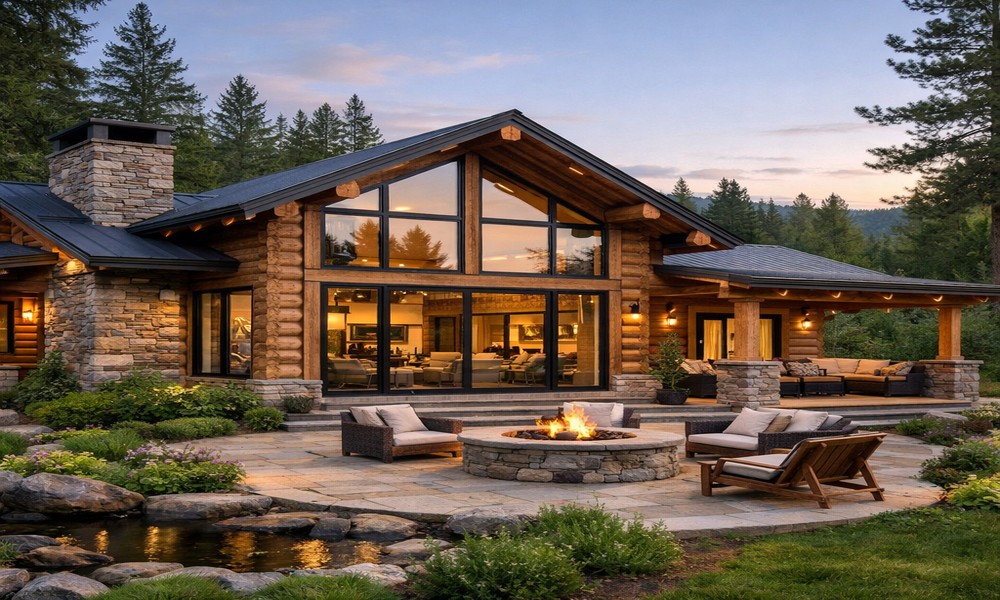
Few architectural features embody the essence of a log cabin more than the fireplace, and modern interpretations make them true centerpieces. Towering floor-to-ceiling fireplaces clad in natural stone or contemporary steel provide a dramatic yet inviting focal point in open living areas. Many new designs feature dual-sided fireplaces that can be enjoyed from both inside and out, maximizing ambiance and spatial efficiency. Beyond the hearth, the trend toward indoor-outdoor living has brought innovations such as covered patios, all-season decks, and fully equipped outdoor kitchens. These spaces significantly extend the home’s usability year-round, turning even the humblest porch into a coveted gathering place. Fire pits, built-in seating, and hot tubs offer additional comfort, giving homeowners more ways to relax surrounded by the sights and sounds of nature. Landscaping elements such as stone pathways, natural gardens, and integrated lighting enhance the seamless connection between indoor and outdoor living. Many cabins now feature retractable walls or large sliding doors that blur boundaries and enable open-air entertaining in warm months. Additionally, outdoor heating options like infrared lamps or wood-fired ovens extend the season’s enjoyment, making the cabin a versatile retreat year-round.
Mixed Material Exteriors
Exterior design trends are evolving rapidly, with more homebuilders and architects embracing a blend of materials to create visual interest and reflect an individualized approach. Combining classic log siding with sleek elements like steel or glass introduces a striking contrast that feels fresh yet organic. Mixed-material facades, think black metal railings, river rock foundations, or dramatic sliding glass doors, break up the visual monotony typically associated with log exteriors, resulting in cabins that feel rooted in tradition yet boldly modern. These architectural choices also enhance durability and reduce maintenance. Additionally, incorporating reclaimed wood, stone veneers, or corten steel accents allows homeowners to blend sustainability with style. Thoughtful use of textures and colors can guide the eye across the structure, emphasizing key architectural features while maintaining harmony with the natural surroundings. Exterior lighting integrated with these materials highlights textures and shapes, creating a warm, inviting glow that transforms the cabin after dark.
Cozy and Personalized Interiors
While exteriors are becoming more daring and inventive, interiors remain deeply rooted in the timeless appeal of coziness. Homeowners emphasize comfort through plush area rugs, layers of throws, and ambient lighting that create inviting sanctuaries after a long day outside. Custom features and personal touches abound, from handcrafted furnishings to locally inspired art, hand-lettered wooden signs, and cherished heirlooms displayed in open nooks. Many families integrate pieces passed down through generations or collect artifacts, natural specimens, and local crafts to infuse their living spaces with meaning. These elements transform cabins from mere shelters into homes that tell stories, grounded in local culture and personal history, ready to welcome family and friends for years to come. Warm color palettes, natural textures, and layered fabrics enhance the sense of intimacy and comfort, while statement furniture pieces serve as both functional and artistic focal points. Homeowners often mix modern conveniences with rustic charm, such as sleek appliances tucked into exposed timber beams or contemporary lighting paired with handcrafted woodwork. Seasonal decor and rotating personal collections keep the interior feeling fresh and reflective of the family’s evolving journey.
Conclusion
Modern log cabin living goes much deeper than style or setting; it’s about forging connections between the past and the present, humans and nature, and simplicity and innovation. By marrying classic log construction with thoughtful technology, sustainable building practices, and flexible design, today’s cabins offer more than just a retreat: they are inspiring, efficient, and healthy sanctuaries that reflect an evolving sense of what “home” truly means. As this trend progresses, the modern log home will remain a symbol of heartfelt connection to tradition, the environment, and the comforts of thoughtful, modern living. Looking ahead, these cabins will continue to evolve, embracing even smarter technologies and more sustainable innovations without losing their rustic charm. They will serve as models for how architecture can honor natural materials while meeting the demands of contemporary lifestyles. Ultimately, modern log cabins embody a timeless ideal: homes that nurture well-being, inspire creativity, and create lasting memories for generations to come.
