


Understanding the Core Components of HVAC Systems
At the heart of every effective HVAC system lies a collection of interconnected components, each playing a crucial role in maintaining your indoor environment. Understanding these core elements is fundamental to appreciating how these systems deliver comfort.
The furnace, often the heating powerhouse, generates warmth by burning fuel (like natural gas or propane) or using electric resistance. This heat is then distributed throughout the building. For cooling, the system relies on a refrigeration cycle. Inside, evaporator coils absorb heat from the indoor air, turning a liquid refrigerant into a gas. This now-heated gaseous refrigerant travels to the condensing unit, typically located outside. Here, the refrigerant releases its absorbed heat to the outdoor air, reverting to a liquid state. This continuous cycle of absorption and release, driven by the refrigerant, is what allows air conditioners and heat pumps to cool indoor spaces.
Beyond these primary heating and cooling elements, air handlers are central to air distribution. These units house the fan (blower) that circulates conditioned air through the ductwork and back again. Finally, thermostats act as the brain of the entire operation, sensing indoor temperatures and sending commands to the various components to maintain the desired climate. Their evolution, from simple mechanical switches to sophisticated smart devices, highlights the ongoing advancements in HVAC control and efficiency. For reliable installation and service of these complex systems, many homeowners trust the expertise that comes from a legacy of quality, often found in a business built on family-owned HVAC excellence.
The Role of Ventilation and Airflow
While heating and cooling address temperature, ventilation and proper airflow are equally critical for a truly comfortable and healthy indoor environment. Ventilation is the process of introducing fresh outdoor air into a building and removing stale indoor air. This exchange is vital for diluting pollutants, controlling humidity, and preventing the buildup of carbon dioxide and other airborne contaminants. Many modern systems incorporate a fresh air intake to ensure a consistent supply of outdoor air.
However, the efficiency of this air distribution can be significantly hampered by ductwork issues. Duct losses are a major concern, as they can account for up to 30% of energy consumption in space conditioning. Leaky or poorly insulated ducts allow conditioned air to escape before it reaches its intended destination, leading to wasted energy and uneven temperatures.
Another important concept is static pressure, which refers to the resistance air encounters as it moves through the ductwork. Improper static pressure can reduce airflow, strain the system’s fan, and decrease efficiency. To ensure adequate air quality, we often refer to air changes per hour (ACH), which measures how many times the entire volume of air in a space is replaced in an hour. The Centers for Disease Control and Prevention (CDC) recommends a minimum of 5 ACH for general spaces, and even higher, 12 ACH, for critical environments like hospital rooms with airborne contagions (as of 2023). Maintaining these standards is crucial for health and comfort.
Modern HVAC Systems for Residential and Commercial Use
The HVAC landscape has diversified significantly, offering a range of systems tailored to different needs, climates, and property types. From traditional central air to cutting-edge geothermal solutions, understanding these options empowers informed decision-making.
Selecting the Right HVAC Systems for Your Property
Choosing the appropriate HVAC system involves weighing several factors, including climate, building size, existing infrastructure, and budget. For many homes and commercial spaces, split systems remain a popular choice. These consist of separate indoor and outdoor units connected by refrigerant lines, offering efficient heating and cooling through ductwork. Alternatively, packaged units combine all components (compressor, condenser, evaporator) into a single cabinet, often installed on rooftops or adjacent to buildings, making them ideal for certain commercial applications or homes with limited indoor space.
Hybrid dual-fuel systems represent a smart blend of technologies, combining a heat pump with a traditional furnace. This allows the system to automatically switch between the heat pump (which is highly efficient in moderate temperatures) and the furnace (for colder temperatures when the heat pump’s efficiency drops), optimizing energy use and comfort year-round. When exploring the vast array of available options and brands, considering a comprehensive range of Comfort Temp HVAC systems can provide a broader perspective on what’s available in the market.
System Type Advantages Disadvantages Best Suited For Ducted Systems Whole-home conditioning, discreet Requires ductwork, potential for duct losses New constructions, homes with existing ducts Ductless Systems Zoned comfort, no ducts needed, high efficiency Higher upfront cost per zone, visible indoor units Additions, older homes, targeted areas The Benefits of Ductless and Geothermal Solutions
Beyond traditional ducted systems, innovative technologies like ductless mini-splits and ground-source heat pumps offer distinct advantages, particularly in terms of energy efficiency and sustainability.
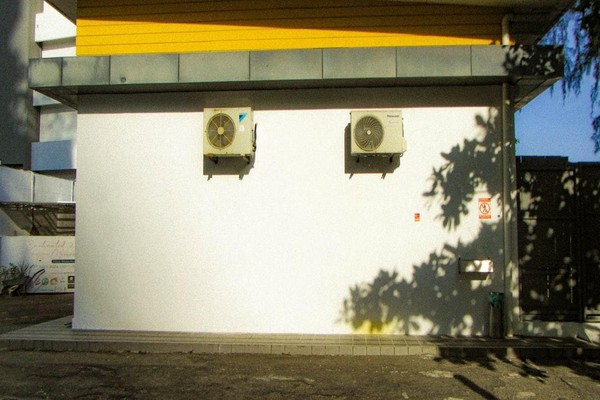
Ductless mini-splits are an excellent solution for homes without existing ductwork, room additions, or for creating zoned comfort in specific areas. They consist of an outdoor compressor/condenser unit connected to one or more indoor air-handling units. Their key benefit is inverter technology, which allows the compressor to vary its speed, providing precise temperature control and significantly reducing energy consumption compared to traditional on/off systems. This results in quieter operation and enhanced comfort.
For those prioritizing long-term energy savings and environmental impact, ground-source heat pumps (also known as geothermal systems) are a leading sustainable heating and cooling solution. These systems leverage the stable temperatures of the earth (typically 45-75°F just a few feet below the surface) to exchange heat. In winter, they extract heat from the ground and transfer it indoors; in summer, they reverse the process, moving heat from the house into the cooler ground. This makes them incredibly efficient, often reducing heating and cooling costs by 25-50%. Geothermal systems contribute significantly to decarbonization efforts by drastically cutting reliance on fossil fuels.
Another advanced ventilation strategy is energy recovery ventilation (ERV). ERVs capture energy from the outgoing stale air to pre-condition the incoming fresh air. In summer, the incoming air is pre-cooled and dehumidified; in winter, it’s pre-heated. This process reduces the energy load on the main HVAC system while ensuring a continuous supply of fresh, filtered air, leading to improved indoor air quality and efficiency.
Maximizing Efficiency and Indoor Air Quality
Modern HVAC systems are not just about comfort; they’re also about smart energy use and promoting a healthy living environment. Understanding efficiency metrics and indoor air quality (IAQ) strategies is key to optimizing your system’s performance.
Energy Efficiency Metrics and Standards
When evaluating HVAC systems, several key metrics help us understand their energy efficiency. For cooling systems like air conditioners and heat pumps, SEER2 ratings are the current standard. SEER2 (Seasonal Energy Efficiency Ratio 2) measures a cooling system’s efficiency over an entire cooling season, with higher numbers indicating greater efficiency. As of 2023, the industry minimum SEER rating for new air conditioning systems is 14 SEER (which translates to new SEER2 minimums), reflecting a continuous push towards more energy-efficient appliances.
For furnaces, AFUE (Annual Fuel Utilization Efficiency) percentages indicate how efficiently a heating system converts fuel into usable heat over a year. For instance, a furnace with 97% efficiency means that 97% of the fuel it consumes is converted into heat for your home, with only 3% lost through the exhaust. This is a significant improvement over older models. Many highly efficient systems also carry the ENERGY STAR certification, a government-backed symbol of energy efficiency that helps consumers identify products that save energy and money.
Heat pumps, which provide both heating and cooling, have an additional efficiency metric for their heating performance: HSPF2 (Heating Seasonal Performance Factor 2). Like SEER2, a higher HSPF2 rating signifies greater heating efficiency over a typical heating season. Choosing systems with high ratings in these categories can lead to substantial long-term energy savings and reduced utility bills.
Improving Health through Indoor Air Quality
Beyond temperature control, HVAC systems play a critical role in maintaining good indoor air quality (IAQ), which directly impacts our health and well-being. Effective filtration is paramount, with options ranging from standard pleated filters to advanced HEPA filters (High-Efficiency Particulate Air). HEPA filters can capture microscopic particles, including dust, pollen, pet dander, mold spores, and even some bacteria and viruses, significantly reducing allergens and pollutants in the air.
Humidity control is another vital aspect of IAQ, especially in humid climates. High humidity can foster mold growth, dust mites, and uncomfortable sticky conditions, while excessively dry air can irritate respiratory passages and skin. HVAC systems, particularly those with variable speed technology, can effectively manage indoor humidity levels.
Safety is also a major concern, especially regarding combustion byproducts. Proper ventilation and regular maintenance are essential for carbon monoxide prevention. Carbon monoxide (CO) is a colorless, odorless gas produced by incomplete combustion in furnaces or water heaters. It can be lethal at concentrations as low as 1000 ppm (parts per million), making functioning CO detectors and professional system checks indispensable.
Emerging technologies are further enhancing IAQ. The integration of UVC light into HVAC systems is becoming more common. These ultraviolet germicidal irradiation (UVGI) lights, often installed near the evaporator coils, can inactivate airborne pathogens like bacteria, viruses, and mold spores as air passes through the system. This technology is particularly beneficial in environments where maintaining pristine air quality is critical, such as healthcare facilities, which often adhere to even stricter hospital-grade 12 ACH standards for air changes to prevent the spread of contagions.
Best Practices for HVAC Installation and Maintenance
The performance, efficiency, and longevity of your HVAC system hinge significantly on two critical factors: professional installation and diligent maintenance. Cutting corners on either can lead to costly problems down the line.
Key Considerations for Professional Installation
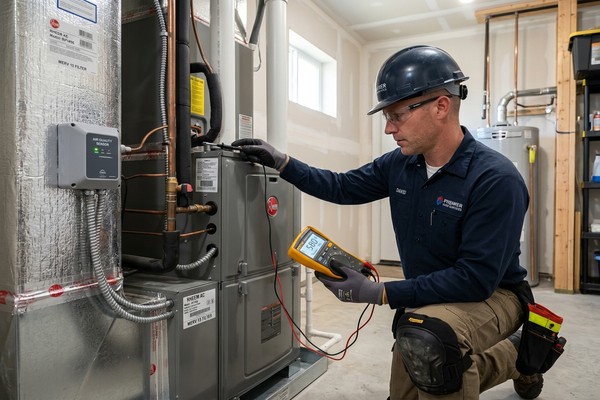
Proper HVAC installation is not a DIY project. It requires specialized knowledge and adherence to industry standards to ensure optimal performance and safety. One of the most crucial steps is Manual J sizing. This detailed calculation, performed by qualified professionals, determines the exact heating and cooling load requirements for your home, considering factors like square footage, insulation levels, window types, climate, and even the number of occupants. Incorrect sizing – either too small or too large – can lead to inefficient operation, premature wear, and uncomfortable indoor conditions. An oversized unit, for example, will cycle on and off too frequently, leading to poor dehumidification and increased energy consumption.
Understanding tonnage is also part of proper sizing. A “ton” in HVAC refers to the amount of heat an AC unit can remove from a space in an hour (1 ton = 12,000 BTUs per hour). Professional installers use Manual J calculations to determine the precise tonnage needed, ensuring your system can effectively condition your space without overworking or underperforming.
Before installation, an energy audit can identify areas where your home might be losing energy, such as poor insulation or leaky windows, allowing you to address these issues for maximum HVAC efficiency. When considering a new system, it’s worth exploring available incentives. For example, some manufacturers offer attractive promotions, such as Cool Cash rebates up to $2,100 on qualifying heating or cooling products (an offer that might be valid, for instance, from March 1 to May 31, 2026). Additionally, special 0% APR financing for 60 months on qualifying purchases can make upgrading to a high-efficiency system more accessible. These financial incentives can significantly reduce the upfront cost of your investment.
The Future of Smart HVAC Systems
The HVAC industry is continuously evolving, with technology playing an increasingly central role. Looking back, the historical evolution of HVAC is fascinating. The concept of modern air conditioning truly began with Willis Carrier and his 1902 inventions, which initially focused on controlling humidity in a printing plant. From these industrial beginnings, HVAC technology has advanced rapidly, leading to widespread residential adoption by the mid-20th century.
Today, the future of HVAC is undeniably “smart.” Smart thermostats are at the forefront of this revolution, offering features like remote control via smartphone apps, learning capabilities that adapt to your schedule, energy usage reports, and integration with other smart home devices. They provide unparalleled control and convenience, often leading to significant energy savings by optimizing heating and cooling cycles.
Beyond thermostats, predictive diagnostics are transforming maintenance. Modern systems are equipped with sensors that continuously monitor performance, identify potential issues before they lead to breakdowns, and even alert technicians to problems. This proactive approach minimizes downtime and extends the lifespan of equipment. The integration of IoT (Internet of Things) allows various HVAC components to communicate with each other and with external platforms, enabling sophisticated remote monitoring and control. This level of connectivity is crucial for building automation systems, particularly in commercial settings, where centralized management of climate, lighting, and security systems can lead to massive operational efficiencies and energy reductions. These advancements promise not just greater comfort, but also smarter, more sustainable energy management for our indoor environments.
Frequently Asked Questions about HVAC Systems
We understand that HVAC systems can seem complex. Here, we address some of the most common questions we encounter, providing clear, concise answers to help you better understand your system.
What is the difference between a heat pump and a central AC?
While both heat pumps and central air conditioners provide cooling, their fundamental difference lies in their heating capabilities. A central AC unit is designed solely to cool your home by moving heat from inside to outside. A heat pump, however, is a versatile, dual-function system. It can cool your home in the summer by operating like a central AC, but it can also heat your home in the winter. It achieves this through a reversing valve that allows it to extract heat from the outdoor air (even cold air contains some heat) and transfer it indoors. This heat transfer process makes heat pumps incredibly energy-efficient for heating, as they simply move heat rather than generating it. This dual-mode operation makes heat pumps an excellent choice for climates with moderate winters, offering year-round comfort with a single system.
How often should I schedule professional maintenance?
Regular professional maintenance is paramount for the efficiency, longevity, and safety of your HVAC system. We generally recommend bi-annual checks – once in the spring for your cooling system and once in the fall for your heating system. During these visits, technicians perform a comprehensive inspection, which typically includes filter replacement, coil cleaning (both evaporator and condenser coils), checking refrigerant levels, inspecting electrical connections, lubricating moving parts, and ensuring proper thermostat function. These routine checks help prevent unexpected breakdowns, maintain optimal system longevity, ensure safe operation, and keep your system running at peak efficiency, ultimately saving you money on energy bills and costly repairs. Think of it as a tune-up for your home’s most important comfort system.
What are the current minimum efficiency standards in 2026?
As of May 2026, the HVAC industry continues to adhere to and evolve with updated efficiency standards, primarily driven by the Department of Energy (DOE). The most significant recent updates came into effect in 2023, introducing new SEER2 requirements for air conditioners and heat pumps. These new ratings (SEER2, EER2, and HSPF2) provide a more accurate measure of real-world efficiency. For example, the minimum cooling efficiency for split system air conditioners in the North was raised to 13.4 SEER2, while in the Southeast and Southwest regions, it was set at 14.3 SEER2. Furnaces also have specific AFUE requirements, with minimums varying based on fuel type and region. These Department of Energy standards are crucial for ensuring that new equipment sold in the market is more energy-efficient, contributing to national energy conservation goals and offering homeowners significant cost-saving benefits over the lifespan of their systems. Always consult with a qualified HVAC professional to understand the specific regional mandates and efficiency ratings applicable to your area when purchasing new equipment.
Conclusion
In an ever-changing world, the consistent comfort and health of our indoor environments remain a constant priority. HVAC systems are the silent guardians of this comfort, working diligently behind the scenes to provide heating, ventilation, and air conditioning that are essential for our daily lives. From the fundamental components like furnaces and air handlers to the sophisticated innovations of smart thermostats and geothermal technology, these systems are continually evolving to meet demands for greater efficiency, improved indoor air quality, and reduced environmental impact.
Understanding the intricacies of your HVAC system, recognizing the importance of professional installation and regular maintenance, and exploring modern, energy-efficient solutions are not just about convenience-they are about making a smart, long-term investment in your property and your well-being. By embracing these insights, we can ensure consistent system reliability, maximize energy savings, and contribute to a healthier planet. For year-round comfort and peace of mind, professional consultation and diligent care of your HVAC system are paramount.
