

Navigating NEC Requirements for Home Exterior and Electrical Systems
Ensuring the safety and compliance of your home’s exterior electrical systems begins with understanding the National Electrical Code (NEC). The NEC, developed by the National Fire Protection Association (NFPA), sets the standard for electrical safety in residential, commercial, and industrial installations across the United States. When it comes to outdoor electrical work, specific sections of the NEC are particularly relevant, primarily focusing on preventing electrical shock and fire hazards in environments exposed to weather.
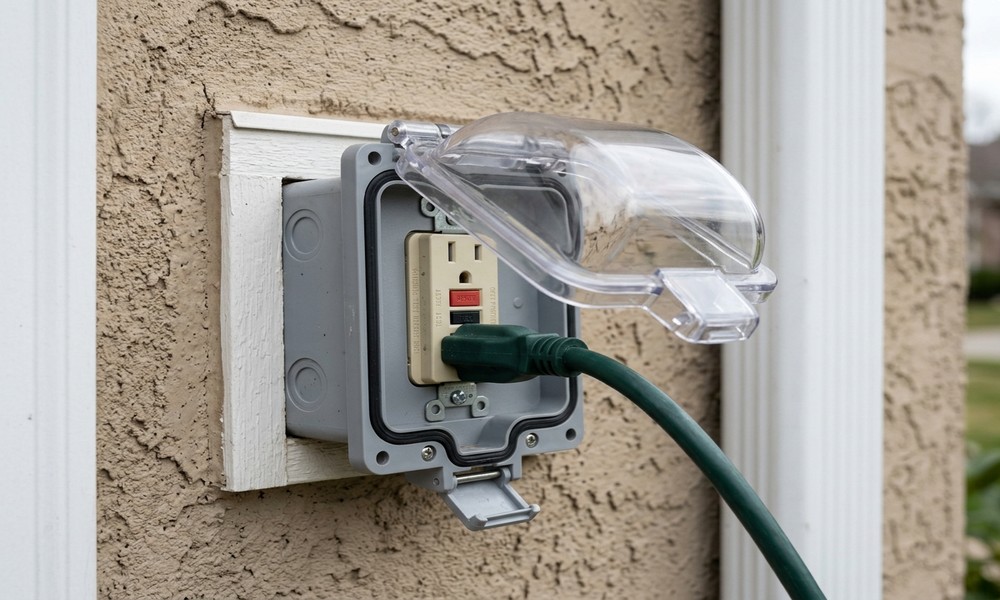
A critical requirement for outdoor electrical installations is the use of Ground-Fault Circuit Interrupter (GFCI) protection. NEC 210.8(A) mandates that all 125-volt to 250-volt receptacles installed in outdoor locations must be GFCI-protected. This protection is vital because it rapidly detects ground faults-unintended paths for electricity to flow to the ground-and shuts off power, significantly reducing the risk of electric shock, especially in wet conditions.
Beyond GFCI, outdoor receptacles must also be weather-resistant (WR) and housed in appropriate enclosures. The NEC distinguishes between “damp” and “wet” locations, each with specific requirements. Wet locations, such as those exposed to direct rain or sprinkler spray, necessitate “in-use” or “bubble” covers that protect the receptacle even when a cord is plugged in. These covers must be robust and designed to open at least 90 degrees on their hinges to allow for easy access and proper cord connection. For damp locations, a simple weatherproof cover that protects the receptacle when not in use might suffice, though “in-use” covers offer superior protection.
Mounting heights for outdoor receptacles are also regulated to ensure accessibility and safety. While there isn’t a strict universal minimum height for all outdoor outlets, they generally should not be mounted higher than 6.5 feet above grade or a working platform, unless specifically designed for a particular application. Proper placement also considers protection from physical damage and accessibility for maintenance. Adhering to these NEC guidelines is not just about passing inspection; it’s about safeguarding your family and property from potential electrical hazards. When considering any upgrades or new installations for your Home exterior electrical systems, always consult with a qualified electrician to ensure full compliance with national and local codes.
Safe Burial Depths and Conduit Standards for Outdoor Wiring
When extending electrical power outdoors, particularly for landscape lighting, outlets, or other features, understanding proper burial depths and conduit requirements is paramount for safety and longevity. The NEC provides clear guidelines to protect buried wiring from physical damage and environmental factors.
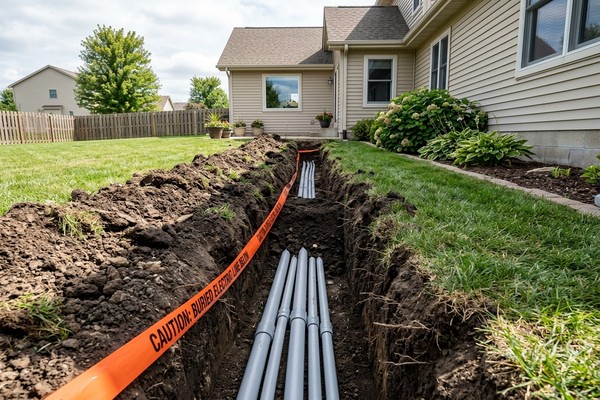
For direct bury cables, such as UF (Underground Feeder) cable, which is specifically rated for direct burial without conduit, the minimum depth is generally 24 inches. This depth helps protect the cable from accidental digging, landscaping activities, and ground shifts. However, this depth can be reduced under certain conditions, such as when buried under a concrete slab, where 18 inches may be permissible, provided GFCI protection is in place.
Low-voltage wires, typically those operating at less than 30 volts, have significantly shallower burial requirements due to their reduced shock hazard. These wires, commonly used for landscape lighting, generally require a minimum burial depth of 6 inches. While this depth offers some protection, it’s still crucial to be mindful of future digging activities.
When conduit is used, the required burial depth can vary based on the type of conduit. Conduit provides an additional layer of physical protection for the wires within, making certain applications safer and sometimes allowing for shallower burial depths.
These are general NEC guidelines, and local codes may impose stricter requirements. Proper backfill is also critical; trenches should be backfilled with clean soil, free from rocks, debris, or corrosive materials that could damage the cable or conduit over time. Using warning tape placed above the buried lines can serve as a visual alert for future excavation.
Before any digging project, regardless of depth, it is legally and safely imperative to call 811. This service helps locate and mark underground utility lines, including electrical, gas, water, and communication lines, preventing dangerous and costly accidents. For any significant outdoor electrical work, especially those involving buried lines, consulting with professionals who have Premier home exterior expertise ensures that all installations meet stringent safety and code standards.
Understanding Exterior Electrical Line Protection Plans
Homeowners often encounter various service plans designed to cover unexpected repairs, and exterior electrical line protection plans are among them. These plans typically aim to cover the costs associated with repairing or replacing components of your home’s electrical system that are located outside the main structure. Key components often covered include the weatherhead, insulator, riser, meter base, and the service entrance conductor-essentially, the parts that bring power from the utility grid to your home’s main electrical panel.
The premise behind these plans is that standard homeowners insurance typically does not cover repairs to these specific exterior electrical components unless the damage is caused by a covered peril, such as a tree falling on the lines. Homeowners are generally responsible for the maintenance and repair of the electrical infrastructure from the weatherhead down to the meter and into the home.
However, the value of these plans is a frequent subject of debate. While they are generally not considered scams if they deliver on their advertised coverage, many experts suggest that the likelihood of needing such repairs is relatively low. One perspective highlights that exterior electrical lines, particularly from the weatherhead to the breaker box, are designed to last for decades and rarely require repairs outside of code upgrades or damage from external events like severe weather or tree falls, which might be covered by homeowners insurance anyway.
For this reason, some advise homeowners to self-insure by building an emergency fund rather than paying monthly or annual premiums for these plans. The argument is that the money saved over time can easily cover the cost of a rare repair. It’s also worth noting that many protection plans come with a 30-day waiting period, meaning you cannot claim for repairs immediately after signing up. Before committing to such a plan, it is crucial to thoroughly review what is specifically covered, what the exclusions are, and whether your existing homeowners insurance might already offer some protection for certain types of damage. Professional diagnostics are often needed to identify the root cause of exterior electrical problems, which these plans typically facilitate.
Common Causes of Failure in Home Exterior and Electrical Lines
Exterior electrical systems are constantly exposed to environmental stresses, making them susceptible to various forms of failure. Understanding these common causes can help homeowners identify warning signs and take proactive measures.
Regular inspections by a qualified electrician can help identify these issues early, preventing more significant problems and ensuring the continued safe operation of your home’s exterior electrical system.
Enhancing Outdoor Living with Low-Voltage and High-Voltage Features
Modern outdoor living spaces are increasingly integrating sophisticated electrical features, ranging from subtle landscape lighting to robust power for hot tubs and outdoor kitchens. Understanding the distinction between low-voltage and high-voltage systems is crucial for safe and effective installation.
Low-voltage landscape lighting systems, typically operating at 12V or 24V, are a popular choice for enhancing aesthetics and safety. These systems use a transformer to step down the standard household current (120V) to a much safer low voltage. This lower voltage significantly reduces the risk of electric shock, making DIY installation more feasible for simple setups, though professional design and installation are often recommended for optimal results. The NEC rules for low-voltage wiring are less stringent than for high-voltage, particularly regarding burial depths (as little as 6 inches) and conduit requirements, but they still necessitate proper cable types and connections to prevent shorts and ensure longevity.
For more substantial power needs, high-voltage (120V or 240V) outdoor wiring is essential. This includes dedicated circuits for soffit outlets, which are excellent for holiday lighting, security cameras, or pressure washers, eliminating the need for hazardous extension cords. Smart home integration allows for automated control of outdoor lighting, irrigation systems, and security features, enhancing convenience and energy efficiency.
Larger outdoor amenities like hot tubs, saunas, and outdoor kitchens require significant power and often dedicated 50-amp, 240V circuits. These installations are complex and strictly regulated by the NEC, requiring specialized wiring, GFCI protection, and often subpanels to manage the load safely. Similarly, powering outbuildings such as sheds, workshops, or detached garages often involves running new high-voltage lines, potentially requiring their own subpanels to distribute power effectively and safely.
The installation of these high-voltage systems is definitely not a DIY project. It demands expertise in electrical code, load calculations, and proper grounding techniques to prevent hazards. For homeowners looking to expand their outdoor electrical capabilities, working with professionals who have 55 years exterior expertise ensures that these enhancements are integrated safely, efficiently, and in full compliance with all applicable codes.
Essential Safety Protocols for Outdoor Power
Safety must always be the top priority when dealing with outdoor electrical systems. The outdoor environment presents unique challenges, from exposure to moisture to the presence of overhead power lines and the use of portable equipment like generators.
One of the most critical safety rules involves maintaining a safe distance from overhead power lines. Electricity can arc or jump to nearby objects or individuals, even without direct contact. We must always maintain at least a 10-foot clearance from power lines with ourselves, ladders, and any equipment. Before planting trees, consider their mature size and potential interference with power lines, as this can lead to dangerous situations and costly trimming.
Generators are invaluable during power outages, but their improper use poses severe risks, particularly carbon monoxide (CO) poisoning. A staggering statistic reveals that between 1999 and 2012, 79% of the 931 carbon monoxide fatalities were associated with generators. Even more concerning, 24% of these CO fatalities occurred when generators were used inside an attached garage or shed. To prevent this, generators must always be positioned outdoors, far away from windows, doors, and vents to prevent exhaust fumes from entering the home. Using a transfer switch is also crucial to prevent “backfeeding” electricity into the utility grid, which can endanger utility workers attempting to restore power.
Extension cords, while convenient, are often misused outdoors. Only use extension cords specifically rated for outdoor use, which are typically thicker and have more durable insulation. Ensure the cord’s amperage rating matches or exceeds the requirements of the appliance it’s powering. Never use damaged cords, and avoid running them across walkways where they can be a tripping hazard or under rugs where heat can build up. For permanent outdoor power needs, installing proper outdoor outlets is always the safer solution. All outdoor electrical products should be UV-stable to withstand prolonged sun exposure without degrading.
DIY Safety for Home Exterior and Electrical Upgrades
While some minor outdoor electrical tasks can be undertaken by a savvy homeowner, extreme caution and adherence to safety protocols are non-negotiable. For any significant work, professional consultation is always recommended.
While DIY can save costs, the potential risks of improper electrical work-fire, shock, and system damage-far outweigh the savings. When in doubt, always consult or hire a licensed electrician.
Frequently Asked Questions about Outdoor Electrical Systems
We often receive questions from homeowners about the specifics of outdoor electrical installations. Here are answers to some of the most common inquiries, providing clarity on NEC standards and best practices.
What is the minimum burial depth for low-voltage landscape lighting?
For low-voltage landscape lighting systems, which typically operate at less than 30 volts, the National Electrical Code (NEC) generally requires a minimum burial depth of 6 inches. This shallower depth, compared to high-voltage wiring, reflects the significantly reduced shock hazard associated with low-voltage systems. While 6 inches provides some protection, it’s still advisable to consider the potential for future digging or landscaping activities in the area. Trenching tips include mapping out your wiring path, ensuring a consistent depth, and using proper connectors that are rated for direct burial or housed in waterproof junction boxes. The safety advantages of low-voltage systems make them a popular choice for homeowners looking to enhance their outdoor spaces with ambient or accent lighting without extensive electrical work.
When is a conduit required for outdoor wiring?
Conduit is required for outdoor wiring primarily when physical protection is necessary or when wires are exposed to potential damage. While direct bury cables (like UF cable) can be buried without conduit, conduit offers an additional layer of protection against accidental digging, rocks, and pests.
The type of conduit also matters. PVC conduit is common for underground applications, with Schedule 80 PVC offering greater impact resistance than Schedule 40. Rigid Metal Conduit (RMC) or Intermediate Metal Conduit (IMC) are often used for above-ground exposed runs or in locations requiring maximum physical protection. Always check local codes, as they may have more stringent requirements than the NEC.
Are all outdoor outlets required to be GFCI protected?
Yes, as of May 2026, the National Electrical Code (NEC) mandates that all 125-volt through 250-volt receptacles installed in outdoor locations must have ground-fault circuit interrupter (GFCI) protection. This requirement, found in NEC 210.8(A), is a crucial safety measure designed to protect personnel from electrical shock, especially in environments where moisture is prevalent. GFCI devices rapidly detect imbalances in electrical current, indicating a ground fault, and quickly interrupt the power supply.
This applies to all general-purpose outdoor outlets, whether they are on a porch, deck, patio, or within a yard. The GFCI protection can be provided by a GFCI receptacle itself or by a GFCI circuit breaker in the main electrical panel that protects the entire circuit. It’s important to regularly test GFCI outlets (using the “Test” and “Reset” buttons) to ensure they are functioning correctly. Additionally, these outdoor outlets must be installed with weatherproof enclosures and covers, with “in-use” covers recommended for constant protection, even when cords are plugged in.
Conclusion
Understanding and properly managing your home’s exterior electrical systems is more than just a matter of convenience; it’s a critical aspect of safety, functionality, and long-term property value. From navigating the stringent requirements of the National Electrical Code for GFCI protection and burial depths to making informed decisions about exterior electrical line protection plans, every choice contributes to a safer, more efficient home.
Prioritizing safety through adherence to codes, calling 811 before you dig, and correctly using outdoor electrical equipment safeguards your family and property. Investing in professional installation and maintenance ensures that your systems are not only compliant but also reliable and durable, providing long-term value. As we move through May 2026, the emphasis on robust, future-proof electrical solutions for outdoor spaces continues to grow. By understanding these principles and seeking expert guidance, homeowners can confidently power and enhance their outdoor environments, creating spaces that are both beautiful and secure.
