

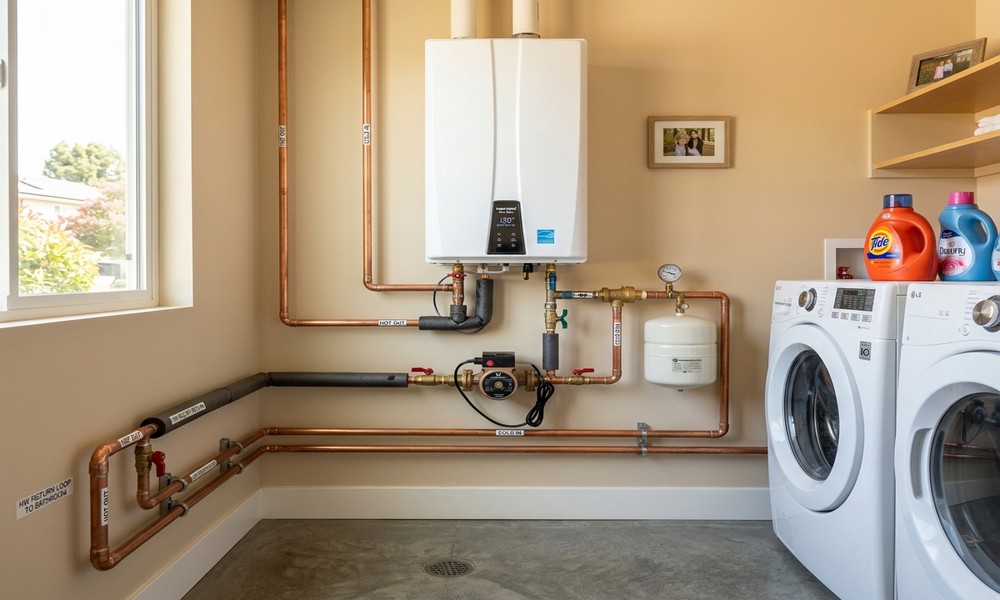
How Residential Recirculating Systems Function
Do you get tired of waiting for hot water to reach your faucet, watching clean water go down the drain? This common problem means wasted water and higher utility bills for many homeowners, especially here in Los Alamitos, CA. Imagine having hot water ready when you need it, without the wait. Residential hot water recirculating systems offer this solution. These smart plumbing setups bring hot water to your taps almost instantly. This guide will show how these systems work, their benefits, and what Los Alamitos homeowners should think about. We will cover how they save water, lower energy use, and make your home more comfortable.
Hot water recirculating systems are designed to eliminate the frustrating wait for hot water at your fixtures. In a traditional plumbing setup, when you turn on a hot water tap, you first experience a rush of cold water. This is the water that has been sitting in the pipes since the last use, cooling down. Only after this cooled water is flushed out does the hot water from your water heater finally arrive. This process not only wastes water but also time.
A hot water recirculating system solves this by creating a continuous flow of hot water through a dedicated loop or by utilizing existing cold water lines. Instead of letting the water in the pipes cool, a small pump actively circulates it. When the water in the loop begins to cool, it’s sent back to the water heater to be reheated, and fresh hot water is pulled from the water heater to replace it. This ensures that hot water is always near your faucets, ready for immediate use.
There are primarily two types of residential recirculating systems:
- Dedicated Return Line Systems: These systems require a separate return pipe that runs from the furthest fixture back to the water heater. This creates a true, continuous loop. While more complex to install in existing homes, they are highly efficient and ideal for new construction. The pump in these systems can be controlled by a timer or a thermal sensor.
- Integrated (Crossover) Systems: These are often used for retrofitting existing homes without the need for extensive repiping. They typically use the cold water supply line as the return path. A small pump is usually installed at the water heater or under the furthest fixture. When activated, it pushes cooled hot water into the cold water line, which then travels back to the water heater. A check valve prevents cold water from entering the hot line. While convenient for installation, they can slightly warm the cold water line for a brief period.
The heart of these systems is the pump, which can vary in size and power. Proper pump sizing is crucial for optimal performance, ensuring adequate flow without excessive energy consumption. Many modern systems incorporate thermal sensors that detect when water in the line falls below a certain temperature, activating the pump only when needed. This demand-controlled approach is far more energy-efficient than continuous circulation. For homeowners considering a new or upgraded system, professional expertise in Los Alamitos water heater installation is invaluable to ensure the correct type and size of recirculating system is chosen and installed for their specific home layout.
The Mechanics of Water Heater Installation for Recirculation
The installation of a hot water recirculating system involves more than just attaching a pump. It requires careful consideration of your home’s existing plumbing layout and the type of water heater you have. For dedicated return line systems, the most significant mechanical aspect is the installation of the additional piping. This pipe typically runs parallel to the hot water supply line, connecting the furthest point of the hot water distribution system back to the water heater’s cold water inlet or a dedicated return port.
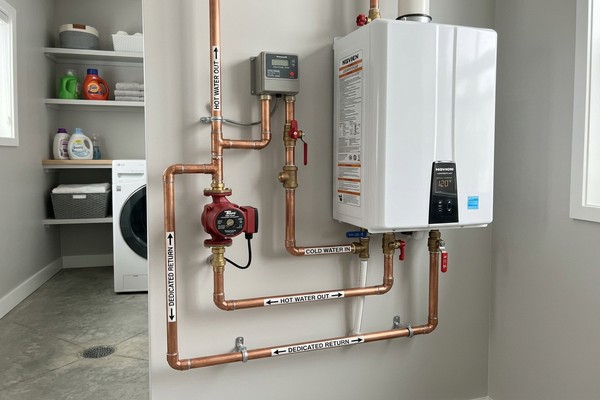
Key components in the installation process include:
- Pump Placement: The recirculating pump is typically installed near the water heater for dedicated return lines or at the furthest fixture for crossover systems. Its location is critical for efficient operation and ease of maintenance.
- Check Valves: These are essential to ensure water flows in the correct direction. In crossover systems, a check valve prevents hot water from entering the main cold water supply when the pump is active. In dedicated systems, they prevent backflow.
- Plumbing Layout: An experienced plumber will assess your home’s layout to determine the most efficient route for the return line (if applicable) or the best placement for a crossover pump. The goal is to minimize pipe length and reduce heat loss.
- Flow Direction: The system must be designed to ensure a consistent flow of hot water away from the heater and cooled water back to it. Incorrect flow can lead to inefficiencies or even cold water at hot taps.
- Pressure Regulation: While not directly part of the recirculating system, ensuring proper water pressure throughout your home is important for the overall performance of your plumbing, including the recirculating loop.
Professional Water Heater Installation and System Integration
For a hot water recirculating system to function optimally and deliver its promised benefits, professional installation and careful integration with your existing water heating setup are paramount. This involves several critical steps and considerations that go beyond basic plumbing.
One of the most important aspects is pipe insulation. Even with a recirculating system, uninsulated pipes will still lose heat to the surrounding environment, forcing the water heater to work harder and increasing energy consumption. Experts recommend insulating the entire hot water recirculation loop and any branch lines to a minimum of R-4, in compliance with energy efficiency standards like California’s Title 24. This significantly reduces heat loss and maximizes energy savings.
Timer controls are a common feature, allowing homeowners to program the system to operate only during peak hot water usage times (e.g., mornings and evenings). This prevents the pump from running unnecessarily throughout the day or night, further conserving energy. More advanced systems use aquastat settings or thermal sensors. An aquastat, positioned in the return line, monitors water temperature and activates the pump only when the water cools below a set point (e.g., between 105°F and 115°F). This demand-controlled approach ensures that hot water is always available without continuous pump operation.
Title 24 compliance in California sets strict energy efficiency standards for new construction and major renovations, often requiring hot water recirculation systems or point-of-use water heaters to ensure hot water delivery within 10 linear feet of every fixture. This means that branch lines (pipes from the main hot water line to individual fixtures) should ideally be no more than 10 feet long. Professional installers are well-versed in these regulations, ensuring your system meets all local codes.
Finally, sensor calibration and system commissioning are crucial. After installation, technicians will test the system to ensure the pump activates correctly, water circulates efficiently, and hot water arrives at fixtures within the desired timeframe (often less than two cups of cool water before hot water appears). They will also educate homeowners on the system’s operation, including how to adjust timers or understand sensor behavior, ensuring long-term satisfaction and optimal performance.
Advantages of Upgrading Your Los Alamitos Plumbing
Upgrading your Los Alamitos home with a hot water recirculating system offers a compelling array of benefits, particularly relevant in Southern California where water conservation and energy efficiency are increasingly important. The convenience of instant hot water is often the primary motivator, but the environmental and financial advantages are equally significant.
Let’s compare the traditional hot water delivery method with a recirculating loop:
Feature Standard Hot Water Delivery Hot Water Recirculating Loop Hot Water Availability Delayed; wait for cold water in pipes to clear Near-instant; hot water always close to fixtures Water Waste Significant; thousands of gallons annually while waiting Minimal to none; water constantly circulated, not drained Energy Consumption Water heater reheats large volumes of water less frequently Water heater reheats smaller volumes more frequently (demand-based systems are efficient) Convenience Low; frustrating wait times, especially at distant taps High; immediate access to hot water, enhancing daily routines Environmental Impact Higher water and energy footprint Lower water and energy footprint, promoting sustainability Utility Bills Higher due to wasted water and energy Potentially lower due to water and energy savings Water Savings: One of the most impactful benefits, especially in a region prone to drought like Southern California, is significant water conservation. In a typical home, waiting for hot water can waste hundreds, if not thousands, of gallons annually. Some estimates suggest that a single household could save upwards of 10,000 gallons of water per year with an efficient on-demand recirculating system. Nationwide, the amount of water wasted while waiting for hot water is staggering, ranging from 400 billion to 1.3 trillion gallons yearly. By preventing this waste, recirculating systems contribute directly to resource management and drought resilience in Los Alamitos and beyond.
Reduced Waste & Utility Efficiency: Beyond just water, these systems reduce the energy required to treat and pump that wasted water. While continuous recirculating pumps can consume energy (around 400-800 kWh per year for a modest-sized pump), modern demand-controlled systems are far more efficient. They only activate when hot water is needed, minimizing pump run time and energy usage. This translates to lower utility bills for homeowners, as less water is purchased and less energy is expended to heat water that simply goes down the drain.
Environmental Impact: By conserving both water and the energy used to heat and deliver it, recirculating systems lessen your home’s overall environmental footprint. This aligns with broader efforts to promote sustainable living and reduce carbon emissions.
Convenience: The sheer comfort and convenience of having instant hot water cannot be overstated. No more shivering while waiting for a shower to warm up, or running the tap for minutes just to wash your hands. This enhances daily routines and improves the quality of life within your Los Alamitos home.
Southern California Climate: While Los Alamitos enjoys a mild climate, the demand for hot water remains constant. The value of water conservation here is particularly high, making these systems a worthwhile investment for environmentally conscious homeowners. They represent a practical step towards a more sustainable and comfortable home.
Ensuring Performance Through Expert Water Heater Installation
The long-term performance and efficiency of your hot water recirculating system, just like any complex plumbing component, depend heavily on expert installation and consistent maintenance. While the initial setup is critical, ensuring ongoing reliability requires a proactive approach to care.
System Commissioning: A professional installation includes thorough system commissioning. This means the installer doesn’t just connect pipes and wires; they test the entire system to verify it operates as designed. This involves checking pump activation, verifying proper flow rates, and confirming that hot water reaches all fixtures within the expected timeframe. This initial verification helps catch any potential issues early, preventing costly problems down the line.
Leak Prevention: A properly installed system minimizes the risk of leaks. However, regular inspections are still important. Over time, connections can loosen, or components can wear out. During routine maintenance, technicians will check all fittings, valves, and the pump itself for any signs of leakage, addressing them before they can cause significant damage.
Scale Buildup: In areas with hard water, mineral deposits (scale) can accumulate within pipes and components, including the recirculating pump. Scale buildup can reduce flow, decrease efficiency, and shorten the lifespan of the system. While not always directly part of recirculating system maintenance, if your water heater requires routine flushing to combat scale, it’s a good practice to ensure the recirculating components are also considered. Installing a water filtration or conditioning system can help mitigate this issue for both your water heater and recirculating pump.
Routine Flushing (for water heater): While not directly for the recirculating pump itself, the water heater it serves benefits greatly from routine flushing. This removes sediment that can accumulate at the bottom of the tank, which can reduce efficiency and lead to premature failure. A well-maintained water heater ensures the recirculating system has a reliable source of hot water.
Pump Lubrication and Inspection: Recirculating pumps contain moving parts that can benefit from periodic inspection and, if applicable, lubrication according to manufacturer guidelines. Technicians will listen for unusual noises, check for vibrations, and ensure the pump is running smoothly. They’ll also inspect check valves and other associated components for wear or malfunction.
Diagnostic Tools: When issues arise, experienced technicians use specialized diagnostic tools to quickly identify the root cause. This could involve measuring water temperature, pressure, flow rates, or electrical continuity for the pump. Their expertise allows for efficient and accurate repairs, minimizing downtime and inconvenience.
Long-Term Reliability: By investing in expert installation and scheduling regular maintenance, Los Alamitos homeowners can ensure their hot water recirculating system provides reliable, instant hot water for many years. Think of it like maintaining an expensive car – regular check-ups maximize performance and extend its lifespan. This proactive approach safeguards your investment and continues to deliver the comfort and savings you expect.
Frequently Asked Questions about Recirculating Systems
Can I add a recirculating pump to an existing tankless unit?
Yes, it is often possible to add a recirculating pump to an existing tankless water heater, though the specific method can vary depending on the tankless model. Many modern tankless water heaters come with internal recirculating pumps built-in or are designed to be compatible with external pumps. For those without an integrated pump, an external recirculating system can be retrofitted.
When considering this, it’s important to understand how tankless units work. They heat water on demand, meaning they only activate when a hot water tap is opened. A recirculating pump, by constantly moving water, might cause the tankless unit to fire more frequently to maintain the hot water in the loop. To optimize efficiency, it’s best to use a demand-controlled recirculating system that only activates when hot water is specifically requested (e.g., via a button press) or when a thermal sensor detects a drop in temperature in the loop, rather than a continuous circulation system. This prevents the tankless unit from cycling on and off unnecessarily. Professional assessment of your specific tankless model and plumbing setup is recommended to ensure proper compatibility and efficient operation.
How does this system impact water conservation in Southern California?
Hot water recirculating systems have a profoundly positive impact on water conservation in Southern California, a region where water resources are precious and droughts are a recurring concern. The primary way they contribute is by eliminating the waste of potable water that occurs while waiting for hot water to arrive at the tap.
In traditional plumbing, every time you turn on a hot water faucet, the cold water sitting in the pipes is flushed down the drain until the hot water from the water heater reaches the fixture. This can amount to several gallons per use, adding up to thousands of gallons annually for an average household. With a recirculating system, that water is continuously circulated back to the water heater, meaning it’s never wasted.
For Los Alamitos homeowners, this translates to:
- Direct Gallon Savings: As mentioned, an efficient system can save upwards of 10,000 gallons of water per year per household. This is a significant contribution to individual and collective water conservation efforts.
- Drought Resilience: By reducing household water demand, these systems help communities become more resilient to drought conditions, lessening the strain on municipal water supplies.
- Reduced Municipal Impact: Less water waste at the household level means less water needs to be treated, pumped, and delivered by local water authorities, leading to broader energy savings and reduced infrastructure burden for the entire municipal system.
Installing a hot water recirculating system is a tangible step Los Alamitos residents can take to support local water conservation initiatives and contribute to the long-term sustainability of Southern California’s water resources.
Are there rebates for energy-efficient upgrades in Orange County?
As of April 2026, homeowners in Los Alamitos and across Orange County should certainly investigate potential rebates and tax credits for energy-efficient hot water systems, as these incentives can significantly offset the initial investment. While specific programs can change, there are typically several avenues to explore:
- Federal Tax Credits: The federal government often offers tax credits for certain energy-efficient home improvements. For instance, in recent years, tax credits up to $600 have been available for qualifying energy-efficient tankless water heaters. While a recirculating pump itself might not always qualify directly, if it’s installed as part of a larger energy-efficient water heating system upgrade (like a new tankless unit), it could be indirectly beneficial or part of a qualifying package. These credits are often tied to specific efficiency ratings (e.g., Energy Factor or Uniform Energy Factor).
- SoCal Gas Rebates: Local utility companies like SoCal Gas frequently provide rebates for the installation of high-efficiency natural gas appliances. For example, rebates up to $1,500 have been offered for qualifying tankless water heaters. These programs are designed to encourage the adoption of technologies that reduce natural gas consumption. Homeowners should check the current program details on the SoCal Gas website, as eligibility requirements and rebate amounts can be updated regularly.
- Local Incentives: Occasionally, local municipalities or water districts within Orange County may offer their own incentives for water-saving or energy-efficient upgrades. These are less common for recirculating systems specifically but are worth researching.
When considering a hot water recirculating system, especially in conjunction with a new water heater, we strongly recommend checking the latest information from the IRS for federal tax credits, the SoCal Gas website for their current rebate programs, and your local Los Alamitos municipal or water district websites. A professional installer can also guide you through the eligible systems and help you identify applicable incentives, ensuring you maximize your savings.
Conclusion
In Los Alamitos, where comfort meets a commitment to resource efficiency, hot water recirculating systems represent a valuable upgrade for any residential property. By providing near-instant hot water at every tap, these systems eliminate frustrating wait times and, more importantly, prevent the unnecessary waste of thousands of gallons of water annually. This not only translates to tangible savings on utility bills but also significantly contributes to water conservation efforts crucial for Southern California’s sustainable future.
As we look towards April 2026 and beyond, the standards for home efficiency and comfort continue to evolve. Investing in a hot water recirculating system is a smart decision that aligns with these modern expectations, offering a blend of convenience, environmental responsibility, and long-term efficiency. Whether you’re building a new home or looking to enhance your current residence, the expertise available in Los Alamitos can guide you through selecting and installing the ideal system for your needs. Embrace the comfort of reliable hot water and the satisfaction of a more sustainable home.
