

Expert Solutions for Home Heating, Cooling, and PlumbingIntegrating HVAC and Plumbing for Maximum Home Efficiency
While often considered separate disciplines, the heating, ventilation, air conditioning (HVAC) and plumbing systems in your home are intricately linked, especially when considering modern solutions like ductless mini-split systems. Their integration is crucial for overall home efficiency, comfort, and preventing potential issues.
One of the primary points of intersection lies in condensate management. Both traditional air conditioning and ductless mini-splits remove humidity from the air as part of their cooling process. This moisture condenses into water, which must be safely and efficiently drained away from the indoor unit. This is where plumbing elements come into play, with condensate drain lines carrying this water away, often connecting to existing plumbing systems or draining outdoors. Proper management of these lines is essential for maintaining home efficiency and preventing water damage.
How HVAC and Plumbing Systems Manage Home Humidity
Humidity control is a cornerstone of indoor comfort and air quality. When an HVAC system, including a ductless mini-split, cools the air, it also dehumidifies it. As warm, humid air passes over the cold evaporator coil in the indoor unit, moisture in the air condenses into liquid water. This process is fundamental to creating a comfortable living environment, as high humidity can make a space feel warmer and stickier, even at lower temperatures.
The condensed water then flows into a drain pan beneath the coil and is directed through a condensate drain line. This continuous moisture removal prevents mold and mildew growth within the unit and helps maintain healthy indoor air quality. A well-designed and maintained condensate system is vital for the effective operation of any cooling system.
Preventing Water Damage from HVAC and Plumbing Drainage Issues
Despite their efficiency, ductless mini-split systems, like all HVAC equipment, require attention to their drainage components to prevent problems. Issues such as drain line clogs can occur when algae, mold, or debris accumulate in the condensate line, obstructing the flow of water. When this happens, the drain pan can overflow, leading to significant water leaks that can damage walls, ceilings, and flooring.
To mitigate these risks, preventative maintenance is paramount. Regular cleaning of condensate lines and drain pans, often performed during routine HVAC service, helps prevent blockages. Homeowners should also be vigilant for signs of leaks or unusual odors. For any suspected issues, professional inspection is highly recommended. HVAC technicians can identify and clear clogs, repair damaged lines, and ensure the entire drainage system is functioning correctly, safeguarding your home against costly water damage.
How Ductless Mini-Split Systems Work
At its core, a ductless mini-split system operates on the same fundamental principles as a traditional central air conditioner or heat pump, but with a key difference: it eliminates the need for extensive ductwork. This innovative design allows for direct, efficient temperature control in specific areas of your home.
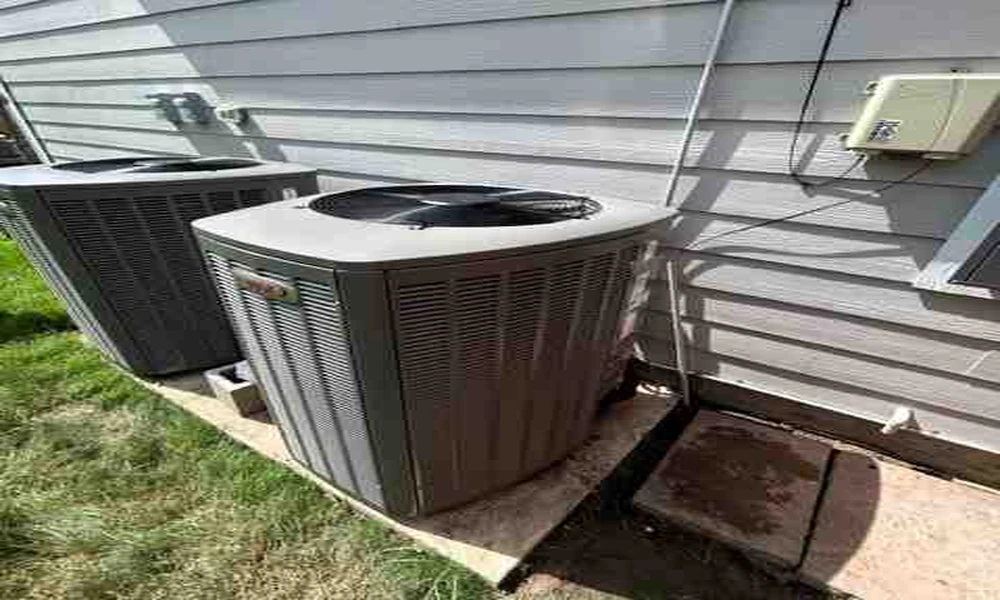
The system consists of two main components: an outdoor unit (condenser) and one or more indoor units (air handlers). These units are connected by a small conduit that houses the refrigerant lines, a power cable, and a condensate drain line.
The magic behind a mini-split’s efficiency, particularly its ability to both heat and cool, lies in heat pump technology. In cooling mode, the system works by absorbing heat from the indoor air using refrigerant, then transferring that heat outside. The outdoor compressor unit pressurizes the refrigerant, causing it to change temperature and state, facilitating this heat transfer.
When heating is required, the process reverses. The outdoor unit extracts heat from the outside air (even in very cold temperatures, thanks to advanced refrigerants and inverter technology), and then transfers that heat indoors. This makes mini-splits incredibly versatile, providing year-round comfort. Inverter technology is a significant advancement, allowing the compressor to vary its speed rather than simply turning on and off. This enables the system to precisely match the heating or cooling load, leading to superior energy efficiency, quieter operation, and more consistent temperatures. For a deeper dive into the mechanics and benefits of these systems, we recommend exploring our comprehensive guide on Burnside ductless mini splits explained.
Single-Zone vs. Multi-Zone Configurations
A crucial aspect of mini-split systems is their flexibility in configuration, offering solutions for various home layouts and comfort needs.
A single-zone mini-split system consists of one outdoor unit connected to one indoor unit. This setup is ideal for conditioning a single room or a specific area, such as a new addition, a converted garage, a sunroom, or an older home without existing ductwork that only needs cooling/heating in one particular space. It offers maximum efficiency for that dedicated zone.
Conversely, a multi-zone mini-split system utilizes a single outdoor unit to power multiple indoor units. Depending on the model, one outdoor unit can support anywhere from two to eight indoor air handlers. Each indoor unit operates independently, allowing for independent temperature control in different rooms or areas. This zoning flexibility is a major advantage, as it enables occupants to set different temperatures in various parts of the house based on individual preferences or occupancy. For example, you can keep a bedroom cooler at night while maintaining a warmer temperature in a living area during the day, significantly reducing energy waste by not conditioning unused spaces. While all indoor units connected to a single outdoor unit must operate in the same mode (heating or cooling) at any given time, their individual temperature settings provide unparalleled customization.
Different Types of Mini-Split Indoor Units
The versatility of ductless mini-split systems extends to the variety of indoor unit styles available, allowing for seamless integration into almost any room design or aesthetic preference.
Each type of indoor unit is designed to meet specific needs, offering homeowners and businesses flexible solutions for targeted heating and cooling.
Key Advantages of Going Ductless
Ductless mini-split systems have rapidly gained popularity due to a compelling array of benefits that address many common HVAC challenges.
One of the most significant advantages is energy savings. Traditional ducted systems can lose a substantial amount of energy-often 20% to 30%-through duct leaks, poor insulation, and heat transfer as air travels through the ductwork. Mini-splits bypass this issue entirely by delivering conditioned air directly into the room, resulting in zero duct leakage and significantly higher efficiency. In fact, most mini-split systems are approximately 20% to 30% more efficient than comparable ducted systems. Depending on your home’s specific needs, you could reduce energy consumption by a substantial margin compared to conventional systems.
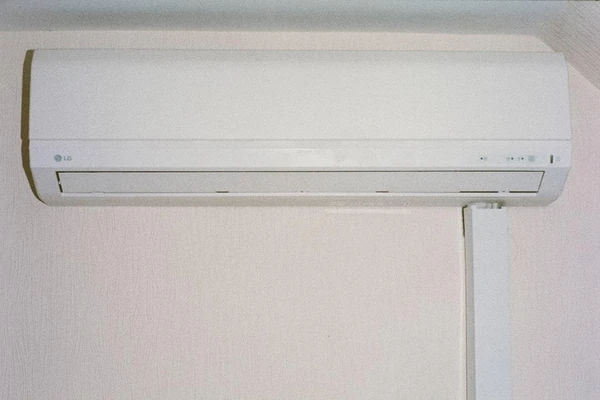
Easy installation is another major draw. Without the need for extensive ductwork, the installation process is far less invasive and disruptive than that of a central HVAC system. Only a small, three-inch hole is typically required in the wall to connect the indoor and outdoor units via the refrigerant lines. This makes mini-splits an ideal solution for older homes that lack existing ductwork, new additions, converted attics or basements, or even garages and workshops where installing ducts would be impractical or impossible.
Quiet operation greatly enhances indoor comfort. Unlike noisy window air conditioners or the sound of air rushing through ducts, mini-split indoor units operate at whisper-quiet levels, often as low as 19-35 decibels (dB)-comparable to a library. Even the outdoor units are designed for minimal noise, with some operating as quietly as 46 dB, about the level of a typical conversation. This quiet performance contributes to a more peaceful home environment.
Finally, zoned comfort is perhaps the most celebrated benefit. With multi-zone systems, each indoor unit can be controlled independently, allowing occupants to set precise temperatures for individual rooms or areas. This not only caters to diverse comfort preferences within a household but also prevents energy waste by heating or cooling only the spaces that are actively being used. This level of customization is difficult and costly to achieve with traditional central systems, making mini-splits a superior choice for personalized climate control.
Frequently Asked Questions About Home Comfort
We often encounter common questions from homeowners exploring ductless mini-split systems. Here, we address some of the most frequent inquiries to provide clarity and help you make informed decisions about your home’s comfort.
How long do ductless mini-split systems typically last?
The system lifespan of a ductless mini-split is a key consideration for any homeowner. With proper installation and consistent regular maintenance, you can expect a high-quality ductless mini-split system to provide reliable heating and cooling for 15 to 20 years. Some manufacturers suggest a lifespan of 10-15 years, but with diligent care, many systems can exceed this. Factors influencing equipment durability include the quality of the unit itself, the expertise of the installation, and how well the system is maintained over its lifetime. Skipping maintenance can significantly shorten its operational life.
Can mini-splits provide both heating and cooling?
Absolutely. One of the most significant advantages of modern mini-split systems is their heat pump functionality. Most mini-splits available today are designed to provide both heating and cooling from a single unit. In cooling mode, they extract heat from your indoor air and release it outside. In heating mode, the process reverses: they absorb heat from the outdoor air (even when it’s cold) and transfer it indoors. This reverse cycle heating makes them incredibly versatile, offering year-round comfort and often replacing the need for separate heating and cooling systems. Advanced models can even provide effective heating in extremely low temperatures, with some systems capable of heating at 80% capacity even at -22°F.
What maintenance is required for mini-split systems?
Maintaining your ductless mini-split system is crucial for its efficiency, longevity, and indoor air quality. The good news is that routine maintenance is relatively straightforward.
The most frequent task is filter cleaning. Indoor units have washable filters that should be cleaned monthly, or more often if you have pets or allergies. This prevents dust and debris buildup, which can restrict airflow and reduce efficiency.
Periodically, you should also perform a visual coil inspection of the indoor and outdoor units. Ensure the outdoor coil is free from leaves, dirt, and other obstructions that can impede airflow. For the indoor unit, check for any signs of mold or excessive dust on the evaporator coil.
Regular professional maintenance ensures your system runs at peak efficiency, prevents costly breakdowns, and helps maintain a healthy indoor environment.
Conclusion
Ductless mini-split systems represent a modern, efficient, and flexible solution for home heating and cooling, perfectly suited for the diverse needs of homeowners in 2026. From their innovative operation that bypasses traditional ductwork to the unparalleled control offered by single-zone and multi-zone configurations, mini-splits deliver precise, personalized comfort. Their variety of indoor unit styles ensures aesthetic integration, while their key advantages-including significant energy savings, straightforward installation, and remarkably quiet operation-make them a compelling alternative to conventional HVAC systems.
By understanding how these systems work, the different types available, and the simple maintenance they require, you can confidently consider ductless mini-splits as a smart investment for your home. They provide reliable comfort year-round, enhance indoor air quality, and contribute to a more energy-efficient household. For optimal performance and peace of mind, always prioritize professional installation and routine maintenance. As you consider energy-efficient upgrades for your living space, ductless mini-splits stand out as a forward-thinking choice that blends advanced technology with practical benefits, ensuring your home remains comfortable and efficient for years to come.
