

Essential Home Maintenance and Exterior UpgradesThe Strategic Approach to Home Maintenance and Upgrades
Embarking on a journey of home maintenance and upgrades requires a thoughtful, strategic approach. It’s not merely about fixing what’s broken or adding new features; it’s about understanding your home as an interconnected system. Prioritizing issues that impact structural integrity, water management, and overall system safety should always precede cosmetic updates. Addressing foundational problems or potential water intrusion points first ensures that any subsequent aesthetic improvements are built upon a stable and secure base. Neglecting these critical areas can lead to costly rework, compromised safety, and diminished long-term value.
Many homeowners, particularly those who have recently purchased a property, often experience buyer’s remorse, largely due to unexpected repair costs. This highlights the critical need for proactive maintenance and a clear understanding of a home’s condition. By systematically assessing and addressing underlying issues, we can prevent minor concerns from escalating into major financial burdens. Once the structural and functional health of your home is assured, you can confidently move forward with enhancements that boost curb appeal and interior aesthetics. For those considering aesthetic transformations and general home maintenance and upgrades, resources like Big Dog home maintenance and upgrades can provide valuable insights and services to bring your vision to life, always after the foundational work is complete.
Prioritizing Home Maintenance and Upgrades by Season
Effective home maintenance isn’t a one-time event; it’s a continuous cycle that adapts to the changing seasons. By dividing tasks into monthly, seasonal, and annual categories, homeowners can create a manageable schedule that prevents neglect and ensures longevity.
Monthly Tasks: These are quick checks and minor upkeep that keep systems running smoothly.
- HVAC Filters: Check and replace filters every 30-90 days, depending on usage and filter type. This improves air quality and system efficiency.
- Plumbing Inspections: Briefly inspect under sinks, around toilets, and near appliances for any signs of leaks or drips.
- Safety Checks: Test smoke and carbon monoxide detectors, replacing batteries as needed.
- Drain Maintenance: Flush drains with hot water and a vinegar solution to prevent clogs.
Seasonal Tasks: These tasks prepare your home for upcoming weather conditions.
- Spring (March – May):
- Exterior Inspection: Walk around your property to check for winter damage to siding, roof, and foundation.
- Gutter Cleaning: Clear gutters and downspouts of debris to ensure proper drainage.
- AC Tune-up: Schedule professional air conditioning maintenance to prepare for warmer months.
- Lawn Care: Prepare your lawn and garden for growth, checking irrigation systems.
- Summer (June – August):
- Deck and Patio Maintenance: Inspect and clean decks, patios, and outdoor furniture. Re-seal if necessary.
- Window and Door Seals: Check for drafts and repair weather stripping to maintain cooling efficiency.
- Pest Control: Be vigilant for pest activity and take preventative measures.
- Fall (September – November):
- Gutter Cleaning (again): Clear fallen leaves and debris before winter.
- Furnace Tune-up: Schedule professional heating system maintenance.
- Winterization: Disconnect and drain outdoor hoses, insulate exposed pipes, and ensure proper attic ventilation.
- Chimney Sweep: If you have a fireplace, have the chimney inspected and cleaned.
- Winter (December – February):
- Monitor Heating System: Listen for unusual noises and ensure consistent heating.
- Prevent Frozen Pipes: Keep cabinets under sinks open on cold nights and consider dripping faucets.
- Snow and Ice Management: Keep walkways clear and address ice dams promptly.
Annual Tasks: These are more comprehensive tasks, often requiring professional assistance.
- Roof Inspection: Schedule a professional roof inspection to check for damage, wear, and potential leaks.
- Water Heater Flush: Flush your water heater to remove sediment, extending its lifespan and efficiency.
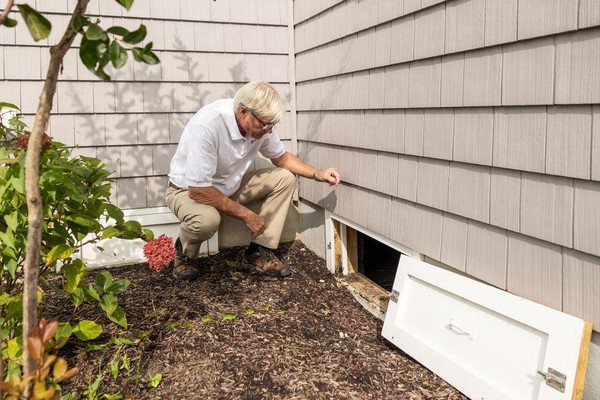
- Foundation Check: Inspect your foundation for cracks, shifting, or signs of moisture intrusion.
- Pest Control: Annual professional pest inspection and treatment.
- Electrical System Check: Have a qualified electrician inspect your wiring, outlets, and circuit breaker panel.
Here’s a simplified overview of these tasks:
| Frequency | Task Category | Examples The average cost of water damage repairs in the U.S. is around $2,700. This is a stark reminder of how quickly water can cause damage and how important it is to address it.
- HVAC Systems: Change your HVAC filter every 30 to 90 days, depending on your unit and household conditions (pets, allergies). This simple act significantly impacts air quality and system longevity.
- Water Heaters: Most water heaters last about 10 years. Regular flushing and inspections can help you get the most out of your unit and identify potential issues before they become emergencies.
- Roofs: The lifespan of a roof is typically around 25 years, though this can vary based on materials, climate, and installation quality. Regular inspections help maximize this lifespan.
Avoiding Common Pitfalls in Home Maintenance and Upgrades
Even with the best intentions, homeowners can fall prey to common mistakes that lead to costly rework or wasted spending. Being aware of these pitfalls can save significant time, money, and stress.
- Poor Planning: Rushing into a project without a clear vision, detailed scope, and realistic budget is a recipe for disaster. This includes not accounting for potential delays or unexpected discoveries. A whole-house renovation, for instance, typically takes 6-12 months, and single-room updates can take 3-4 months. Without a well-defined plan, these timelines can easily double.
- Cheap Materials Over Quality: While saving money is appealing, opting for the cheapest materials often leads to premature wear, frequent repairs, and a less satisfying outcome. Investing in durable, quality materials can provide better long-term value and reduce future maintenance.
- Skipping Permits and Regulations: Many major home improvements, especially those involving structural changes, plumbing, or electrical work, require permits. Ignoring these regulations can lead to fines, forced demolition, and difficulties when selling your home. Always check local building codes and permitting requirements before starting any significant project.
- Trend Chasing: While it’s natural to want a modern home, blindly following fleeting design trends can result in a quickly outdated space that may not appeal to future buyers. Prioritize classic, timeless designs and functional layouts that offer lasting appeal and value.
- DIY Overreach: Attempting complex projects beyond your skill level can lead to safety hazards, shoddy workmanship, and ultimately, professional intervention to correct mistakes. Know your limits and when to call in a qualified professional. This is especially true for critical systems like plumbing, electrical, and HVAC.
Protecting Your Home from the Elements
Your home’s exterior acts as its primary defense against the elements, making its maintenance and integrity paramount. Roofing systems, siding durability, and comprehensive weatherproofing are not just about aesthetics; they are fundamental to protecting your investment from water damage, pests, and structural decay. A well-maintained exterior ensures energy efficiency and contributes significantly to your home’s curb appeal and overall value.
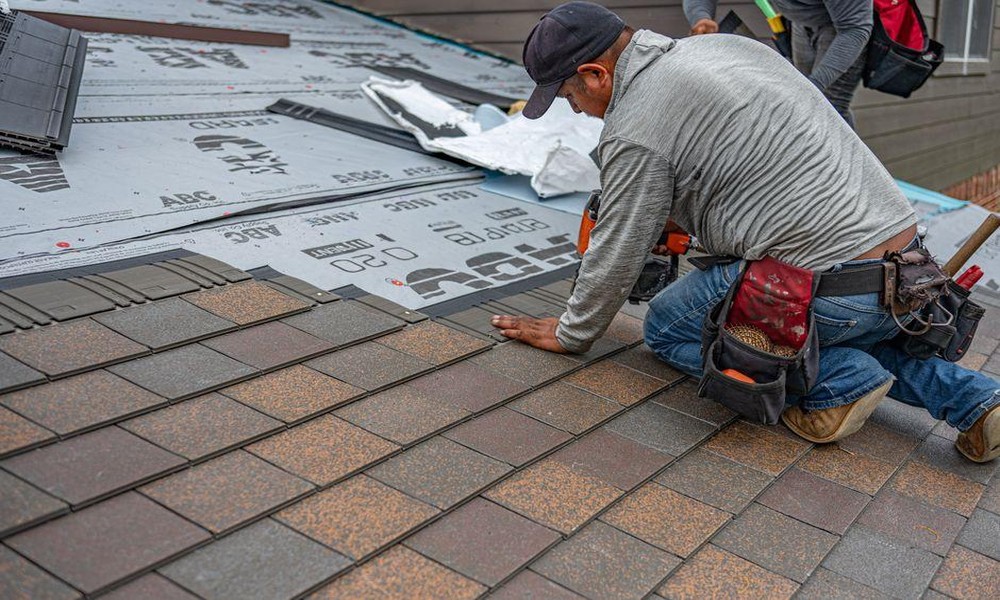
Roofs, for instance, are constantly exposed to harsh weather conditions, from intense sunlight and heavy rains to snow and strong winds. Most roofs are designed to last roughly 25 years, but this lifespan can be significantly shortened without proper care. Regular inspections can identify missing shingles, damaged flashing, or signs of wear before they lead to leaks and extensive interior damage. Similarly, the siding of your home protects its structural components from moisture and provides insulation. Different climates demand different considerations for exterior protection. For example, homes in regions known for their severe weather, such as those experiencing frequent storms and temperature fluctuations, often require specific, robust roofing solutions. Homeowners facing challenging environmental conditions, like those in the Midwest, might find specialized guidance and services for Ohio weather roofing particularly useful to ensure their home’s exterior can withstand the local climate.
The Role of Exterior Surfaces in Water Prevention
Water is one of the most destructive forces a home faces. Proactive management of exterior surfaces is crucial to prevent water intrusion, which can lead to mold, rot, and foundation issues.
- Foundation Protection: Ensure proper grading around your home, sloping away from the foundation, to direct rainwater runoff. Inspect the foundation regularly for cracks or signs of moisture.
- Downspout Positioning: Extend downspouts at least five to ten feet away from the foundation to prevent water from pooling and seeping into the ground near your home.
- Fiber Cement Siding: Materials like fiber cement siding offer excellent durability and weather resistance, requiring less maintenance than traditional wood siding and providing a strong barrier against moisture.
- Exterior Paint: Beyond aesthetics, quality exterior paint acts as a protective shield, sealing surfaces from moisture and preventing wood rot and deterioration. Regular repainting is a key part of weatherproofing.
Managing Critical Interior Systems
While the exterior protects your home from the elements, the interior systems are its lifeblood, providing comfort, safety, and functionality. Plumbing infrastructure, heating efficiency, and air conditioning are interconnected components that demand consistent attention. Neglecting these systems can lead to uncomfortable living conditions, exorbitant utility bills, and catastrophic failures that disrupt daily life and necessitate expensive emergency repairs. Proactive maintenance is not just about fixing problems; it’s about optimizing performance and extending the lifespan of these essential systems.
For example, plumbing issues, if left unaddressed, can quickly escalate. A small leak can lead to significant water damage, mold growth, and even structural compromise. The average home insurance claim for water damage costs upwards of $12,000, underscoring the financial risk involved. Regular inspections of pipes, fixtures, and water-using appliances are crucial. Specialized services, such as an Underground leak inspection Lubbock, can identify hidden issues before they cause widespread damage, saving homeowners from extensive and costly repairs. Similarly, maintaining your HVAC system ensures efficient heating and cooling, which directly impacts your comfort and energy consumption. Changing filters regularly, cleaning coils, and scheduling annual professional tune-ups are non-negotiable tasks for optimal performance.
Sequencing Mechanical Upgrades Before Cosmetic Remodels
When planning any significant home renovation, a fundamental principle is to address mechanical and structural systems before embarking on cosmetic updates. This strategic sequencing prevents costly rework, ensures the long-term integrity of your home, and maximizes the effectiveness of your investment.
- Electrical Capacity: Modern homes demand more power than older structures were designed to provide. Before adding new appliances, smart home technology, or additional lighting, have an electrician assess your electrical panel’s capacity and wiring. Upgrading the electrical infrastructure first ensures safety and supports your new features without overloading circuits.
- Pipe Replacement: Old, corroded, or undersized plumbing can lead to low water pressure, leaks, and water quality issues. Replacing outdated pipes (e.g., with PEX or copper) during the initial phases of a remodel prevents having to tear out new walls or flooring later to fix plumbing problems.
- Ductwork Sealing: For HVAC systems, leaky or uninsulated ductwork can significantly reduce efficiency, leading to higher energy bills and uneven heating or cooling. Sealing and insulating ductwork before finishing walls or ceilings ensures your HVAC system operates at its best, providing consistent comfort throughout your newly renovated space.
- Smart Leak Detectors: Integrating smart leak detectors into your home’s plumbing system, especially in areas prone to water issues like basements, under sinks, or near water heaters, can provide early warnings of leaks. This proactive technology can prevent minor drips from turning into major water damage, saving thousands in repair costs.
Frequently Asked Questions about Home Upgrades
Navigating home upgrades can bring up numerous questions. Here, we address some of the most common concerns homeowners face when planning improvements.
How do I balance urgent repairs with cosmetic renovations?
Balancing urgent repairs with cosmetic renovations is a critical decision that directly impacts your home’s safety, longevity, and value. The guiding principle should always be to prioritize the integrity and functionality of your home first.
- Structural Safety: Any issue that compromises the structural integrity of your home-such as foundation cracks, sagging floors, or damaged support beams-must be addressed immediately. These are not merely cosmetic; they are fundamental to your home’s stability and safety. Ignoring them can lead to catastrophic failure and significantly devalue your property.
- Moisture Control: Water is the enemy of any home. Leaks from the roof, plumbing, or foundation, as well as issues leading to excessive humidity and mold, must be remedied before any cosmetic work begins. Painting over water stains or installing new flooring over a damp subfloor only masks the problem, allowing it to worsen and potentially destroy your new finishes. Hidden water damage can weaken wood framing, compromise insulation, and pose health risks.
- Aesthetic Updates: Once structural and moisture-related issues are resolved, you can confidently proceed with aesthetic updates. These include painting, updating fixtures, new flooring, or kitchen and bathroom remodels. These improvements enhance comfort, appeal, and can boost resale value, but their success hinges on a sound underlying structure.
- Prioritization: We recommend a systematic approach:
- Assess: Conduct a thorough home assessment, ideally with professional help, to identify all issues.
- Categorize: Classify issues as “urgent repairs” (safety, structural, water), “necessary upgrades” (improving efficiency or functionality), and “cosmetic updates” (aesthetic enhancements).
- Address Urgent First: Allocate budget and time to urgent repairs. This prevents further damage and ensures a stable base for future projects.
- Consider Necessary Upgrades: Once urgent items are handled, look at necessary upgrades that improve your home’s performance or prevent future problems (e.g., HVAC upgrades, electrical panel updates).
- Plan Cosmetic: With the foundation laid, plan your cosmetic renovations. This ensures your investment in aesthetics is protected and provides lasting enjoyment.
What are the highest-ROI exterior improvements?
When considering home improvements, especially with an eye toward increasing property value for a future sale, focusing on high-return-on-investment (ROI) projects is key. Many homeowners spend significant amounts on pre-sale improvements but recoup less than 60 cents on every dollar invested. The highest ROI often comes from projects that enhance curb appeal and address functional aspects.
Based on recent market data (as of June 2026), some of the top exterior improvements for ROI include:
- Garage Door Replacement: Consistently ranks among the highest ROI projects, often returning over 100% of the investment. A new garage door significantly impacts curb appeal, as it can account for a large portion of a home’s front-facing facade.
- Entry Door Replacement (Steel): Upgrading to a new steel entry door offers a strong return, often exceeding 180% ROI. It enhances security, energy efficiency, and provides a welcoming first impression.
- Manufactured Stone Veneer: Adding manufactured stone veneer to a home’s exterior can yield an impressive ROI, frequently above 150%. It adds texture, visual interest, and a sense of permanence.
- Exterior Paint: While seemingly simple, a fresh coat of exterior paint offers a high ROI. It eliminates visible deferred maintenance, protects the home, and instantly refreshes its appearance.
- Landscaping: Basic landscaping, while not always having a direct ROI percentage like other projects, can significantly increase a home’s perceived value by 5-12%. Buyers form opinions within seconds of seeing a home, and well-maintained landscaping creates an immediate positive impression.
Minor, strategic updates often outperform major renovations in terms of ROI. Buyers often prioritize move-in ready condition and good curb appeal over overly customized or expensive luxury finishes.
When should I hire a professional versus attempting a DIY project?
Deciding between a DIY project and hiring a professional is a common dilemma for homeowners. While DIY can save money on labor, it’s crucial to weigh the risks, complexity, and potential for costly mistakes.
- Permitting Requirements: If a project requires a permit from your local municipality, it’s often a strong indicator that professional expertise is needed. Permitted work typically involves structural changes, significant electrical or plumbing alterations, or anything affecting the safety and integrity of your home. Professionals are familiar with codes and permit processes, ensuring compliance.
- Safety Risks: Projects involving electricity, gas lines, structural modifications, or working at heights (like roofing) carry significant safety risks. Improper handling can lead to injury, fire, or severe property damage. For these, a licensed and insured professional is almost always the safer and smarter choice.
- Specialized Tools and Equipment: Many home improvement tasks require specialized tools that are expensive to buy or rent for a one-time use. Professionals already possess these tools and the expertise to operate them efficiently and safely.
- Trade Expertise and Experience: Professionals bring years of experience and specialized knowledge to the table. They can anticipate problems, execute tasks efficiently, and deliver a higher quality finish. For complex tasks like HVAC repair, extensive plumbing work, or intricate tiling, their expertise can save you time, frustration, and money in the long run by avoiding rework.
- Time Commitment: DIY projects often take significantly longer than anticipated, especially for inexperienced homeowners. If you have limited time or the project’s timeline is critical, hiring a professional can ensure timely completion.
- Warranties and Insurance: Professional contractors typically offer warranties on their work, providing peace of mind. They also carry liability insurance, protecting you from financial responsibility if accidents or damage occur during the project.
For simpler, cosmetic tasks like painting a room, minor landscaping, or installing shelves, DIY can be a rewarding and cost-effective option. However, for anything that touches the structural integrity, electrical, plumbing, or HVAC systems, or requires permits, we strongly recommend consulting or hiring a qualified professional.
Conclusion
Maintaining and upgrading your home is an ongoing journey that requires foresight, diligence, and strategic planning. By understanding the critical interplay between structural integrity, effective water management, and the efficiency of your home’s core systems, you can protect your most significant investment. Prioritizing essential repairs and system upgrades before embarking on cosmetic enhancements ensures that your home remains a safe, comfortable, and valuable asset for years to come.
The insights shared, from seasonal maintenance checklists to understanding high-ROI improvements and knowing when to call a professional, are designed to empower you as a homeowner. Embracing a proactive approach to maintenance not only prevents costly surprises but also fosters a sense of security and pride in your living space. A well-maintained home is a testament to mindful ownership and a foundation for future prosperity. By committing to long-term planning and consistent care, you are not just maintaining a property; you are protecting your investment and enhancing your quality of life.
