

Maximizing Home Comfort with Professional HVAC MaintenanceThe Financial and Operational Impact of HVAC Maintenance
Achieving optimal indoor comfort and efficiency requires a proactive approach to your heating, ventilation, and air conditioning (HVAC) system. We all rely on these systems daily, yet their critical role often goes unnoticed until a problem arises. Neglecting regular care can lead to unpleasant surprises: unexpected breakdowns, soaring energy bills, and a significantly shortened system lifespan.
This comprehensive guide is designed to empower you with the knowledge needed to keep your HVAC system running smoothly. We will explore why consistent professional HVAC maintenance is not just a recommendation, but a necessity for maximizing your home’s comfort and protecting your investment.
Throughout this article, we will delve into:
- The different types of maintenance plans available, with comparisons of their coverage and costs.
- The specific services included in a professional annual tune-up.
- How often your system should be serviced and the tangible benefits of preventative care.
- There are clear distinctions between DIY tasks and those requiring professional expertise.
- The significant impact of maintenance on energy efficiency, system longevity, and repair expenses.
- Crucial safety considerations, especially for heating systems like gas furnaces.
- Key factors to consider when choosing a maintenance plan or service provider.
- The unique maintenance needs of both residential and commercial HVAC systems.
We aim to provide you with a clear roadmap for ensuring your HVAC system delivers reliable, efficient, and comfortable performance for years to come.
The decision to invest in regular HVAC maintenance is not merely about preventing inconvenient breakdowns; it’s a strategic financial choice that profoundly impacts a system’s energy efficiency, lifespan, and overall repair costs. Think of it as a critical investment with a significant return.
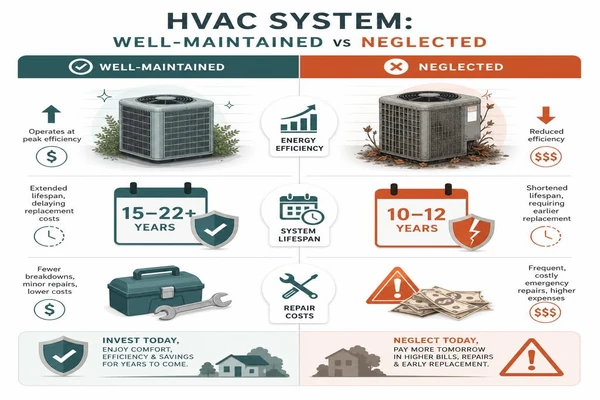
Studies consistently show that well-maintained HVAC systems operate far more efficiently. Neglecting maintenance, such as allowing filters to clog or coils to become dirty, forces the system to work harder to achieve the desired temperature. This increased effort translates directly into higher energy consumption and, consequently, inflated utility bills. In fact, properly maintained HVAC systems can achieve up to 30% energy savings compared to neglected ones, primarily through efficient filtration, clean coils, and calibrated control systems. This efficiency gain directly reduces your operational costs year-round.
Beyond energy savings, routine care dramatically extends the operational lifespan of your equipment. A system that receives consistent professional attention can last 15 to 22 years, whereas a neglected one might fail after just 10 to 12 years. This extended life defers the significant capital expense of a full system replacement, offering substantial long-term savings. The initial investment in preventive maintenance yields an impressive 545% return on investment (ROI) per dollar spent, largely due to reduced energy costs and fewer major repairs.
Consider the stark contrast between a well-maintained system and one that is overlooked:
Aspect Well-Maintained HVAC System Neglected HVAC System Energy Efficiency Operates at peak efficiency, maximizing energy savings Reduced efficiency, leading to higher energy bills System Lifespan Extended lifespan (15-22+ years), delaying replacement costs Shortened lifespan (10-12 years), requiring earlier replacement Repair Costs Fewer breakdowns, minor repairs, typically lower costs Frequent, costly emergency repairs, higher overall expenses Reliability Consistent performance, fewer unexpected outages Prone to unexpected breakdowns, unreliable operation Indoor Air Quality Improved air filtration, healthier indoor environment Compromised air quality, potential allergen buildup Warranty Warranty remains valid with documented service history Warranty may be voided due to lack of maintenance The operational costs associated with HVAC systems are substantial, often representing a significant portion of a home’s or building’s total energy budget. By embracing a proactive maintenance strategy, homeowners can transform these costs from unpredictable liabilities into manageable, predictable expenses. For those seeking comprehensive solutions to keep their systems running optimally and to understand the full scope of benefits, exploring professional services like Compass Heat HVAC maintenance is a valuable step towards ensuring long-term comfort and savings.
Professional vs. DIY: What Does a True Tune-Up Entail?
While homeowners can and should perform certain basic maintenance tasks, there’s a clear distinction between these actions and the comprehensive service provided by a trained professional. A true HVAC tune-up goes far beyond a simple filter change; it involves a meticulous inspection and optimization process that requires specialized tools, technical expertise, and an in-depth understanding of complex systems.
Professional technicians are equipped to perform tasks such as precise system calibration, refrigerant level checks, tightening electrical connections, and thorough cleaning of internal components, such as evaporator and condenser coils. These procedures not only ensure optimal performance but are also crucial for maintaining system efficiency and protecting your manufacturer’s warranty. Many warranties stipulate that annual professional maintenance is required to keep them valid, making professional tune-ups an essential part of safeguarding your investment.
Essential DIY Tasks vs. Professional HVAC Maintenance
Homeowners play a vital role in the ongoing care of their HVAC systems. These simple, regular tasks can significantly contribute to efficiency and prevent minor issues from escalating:
- Filter Replacement: This is arguably the most critical DIY task. Air filters should be checked monthly and replaced every 1-3 months (or more frequently if you have pets, allergies, or live in a dusty environment). A clean filter ensures proper airflow and prevents dirt from accumulating on internal components.
- Debris Clearance: Keep the area around your outdoor condenser unit clear of leaves, grass clippings, dirt, and other obstructions-trim foliage back at least two feet to ensure adequate airflow.
- Coil Fins: Periodically inspect the aluminum fins on your outdoor unit. If they become bent, use a fin comb (available at most hardware stores) to straighten them, which helps maintain proper heat transfer carefully
- Airflow Optimization: Ensure all supply and return vents inside your home are open and unobstructed by furniture, rugs, or drapes.
While these tasks are beneficial, they don’t replace the need for professional service. Professional diagnostics involve:
- Refrigerant Level Checks: Too much or too little refrigerant can severely impact efficiency and damage the compressor. This requires specialized equipment and EPA certification.
- Electrical Connection Inspection: Loose electrical connections can pose fire hazards and lead to inefficient operation. Technicians inspect and tighten these connections.
- Lubrication of Moving Parts: Motors and bearings require proper lubrication to reduce friction and prevent premature wear.
- Condensate Drain Cleaning: Clogged condensate lines can lead to water leaks, mold growth, and system shutdowns. Professionals flush and clear these lines.
- Thermostat Calibration: Ensuring your thermostat accurately reads and controls temperatures is key to comfort and energy savings.
- Safety Control Testing: Critical for both heating and cooling, technicians test safety switches and controls to ensure they function correctly and prevent dangerous situations.
Attempting complex repairs or internal component cleaning without proper training can be dangerous and may cause further damage, potentially voiding your warranty.
Critical Safety Inspections for Heating Systems
When it comes to heating systems, particularly gas furnaces, safety is paramount. Faulty heating units can pose serious risks, including carbon monoxide poisoning and fire hazards. This is why professional maintenance for heating systems includes several critical safety inspections:
- Carbon Monoxide (CO) Monitoring: Technicians use specialized detectors to detect leaks of this odorless, colorless, and highly toxic gas. They inspect the combustion process to ensure it’s operating safely.
- Heat Exchanger Inspection: The heat exchanger is a crucial component that separates combustion gases from the breathable air in your home. Cracks or damage can allow CO to leak into your living space. Professionals meticulously inspect this component for any signs of wear, corrosion, or cracks.
- Gas Line and Connection Checks: All gas lines, valves, and connections are inspected for leaks, corrosion, or other damage that could cause leaks.
- Electrical Connections: As with cooling systems, all electrical components and wiring are checked for wear, fraying, or loose connections that could cause shorts or fires.
- Combustion Analysis: Technicians perform a combustion analysis to ensure the furnace burns fuel efficiently and safely, maintaining the correct air-to-fuel ratio.
- Safety Controls Testing: Various safety controls, such as the limit switch and rollout switch, are tested to ensure they shut down the furnace if dangerous conditions (such as overheating or flame rollout) occur.
These safety inspections are non-negotiable. A cracked heat exchanger, for instance, might not produce any noticeable symptoms to a homeowner but can be a silent killer. Professional maintenance ensures these hidden dangers are identified and addressed, providing peace of mind and protecting your household.
Comparing Residential and Commercial System Requirements
While the fundamental principles of heating and cooling remain the same, the maintenance requirements for residential and commercial HVAC systems differ significantly due to variations in system scale, complexity, usage patterns, and regulatory compliance.
Commercial systems, often comprised of large rooftop units (RTUs), chillers, boilers, and sophisticated zoning controls, are designed to handle much larger spaces, higher occupancy loads, and more demanding operational schedules. Their maintenance involves more complex diagnostics, specialized equipment, and often a larger team of technicians. The impact of operational downtime in a commercial setting can be severe, leading to lost productivity, damaged goods, or discomfort for employees and customers, making proactive maintenance even more critical.
Residential Maintenance Schedules and Scope
For single-family homes and smaller residential units, the general recommendation for HVAC maintenance is bi-annual service. This typically involves:
- Spring Cooling Tune-up: Performed before the summer heat sets in (late winter or early spring), this service prepares the air conditioning system for optimal performance. It includes checking refrigerant levels, cleaning condenser coils, inspecting the evaporator coil, testing electrical components, and calibrating the thermostat. For a deeper dive into what this entails, you can refer to our detailed guide on Air Conditioning Maintenance.
- Fall Heating Tune-up: Scheduled before winter cold arrives (late summer or early fall), this service ensures the heating system, whether a furnace or heat pump, is ready for safe, efficient operation. It involves inspecting the heat exchanger, checking gas connections, cleaning burners, testing safety controls, and lubricating moving parts. Our Furnace Maintenance page provides specific insights into this critical service.
These bi-annual visits are designed to catch potential issues early, optimize energy efficiency, and improve indoor air quality for residential occupants. The scope is generally focused on individual units and the immediate ductwork.
Commercial PM Programs and Compliance
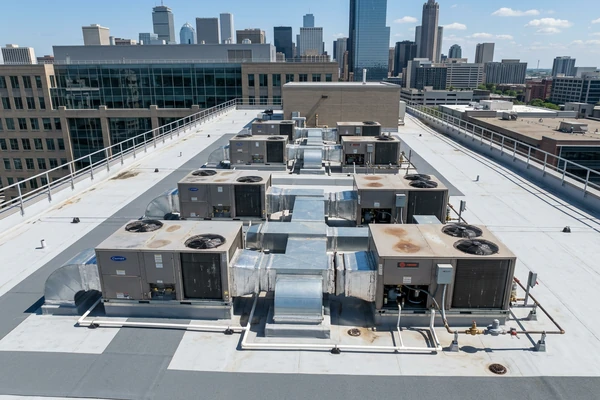
Commercial HVAC systems, due to their size, complexity, and critical function, typically require more frequent and rigorous preventive maintenance (PM) programs.
- Quarterly Inspections: For many commercial rooftop units (RTUs) and other critical systems, quarterly inspections are the standard. Facilities with high occupancy or specialized environments (e.g., data centers, hospitals) may even require monthly checks. These inspections are more extensive, covering multiple components, complex control systems, and often involve specialized diagnostic tools. For a comprehensive overview of maintaining these larger systems, our RTU Maintenance Preventive Care Guide offers valuable information.
- ASHRAE Standards: Commercial maintenance often adheres to specific industry standards, such as those set by ASHRAE (American Society of Heating, Refrigerating and Air-Conditioning Engineers), which dictate guidelines for ventilation, indoor air quality, and system performance. Compliance with these standards is crucial for occupant health and safety, as well as regulatory requirements.
- Reduced Emergency Call-Outs: Implementing structured PM programs for commercial HVAC fleets has been shown to reduce emergency call-out frequency by an impressive 65%. This not only saves significant costs associated with urgent repairs but also minimizes business disruption, which can be far more expensive than the repair itself. These programs also extend the life of major equipment by 30% to 40%.
The focus of commercial maintenance extends beyond operational efficiency to include business continuity, regulatory compliance, and occupant comfort for a larger, more diverse group.
Selecting the Right HVAC Maintenance Plan for Your Home
Choosing an HVAC maintenance plan or service provider can feel overwhelming given the various options available. However, making an informed decision is crucial for maximizing your system’s performance, extending its life, and ensuring long-term comfort and savings. A well-chosen plan offers not just tune-ups, but a partnership with a trusted professional.
Maintenance plans typically offer several benefits designed to provide peace of mind. These often include priority scheduling, meaning your service calls are handled before non-plan customers, which is invaluable during peak seasons or emergencies. Many plans also include repair discounts on parts and labor, significantly reducing the cost of unexpected repairs. Some providers even offer loyalty credits that can be applied towards a future system replacement, essentially building equity in your home comfort system. Understanding the different coverage levels and how they track your service history is key to finding the right fit.
What to Look For in an HVAC Maintenance Plan
When evaluating maintenance plans, consider these key features to ensure you’re getting the best value and protection:
- Tiered Coverage: Many companies offer different plan levels (e.g., basic, premium, deluxe). Compare what each tier includes in terms of the number of visits, types of inspections, and component coverage. A comprehensive plan should cover both heating and cooling checks.
- Emergency Service: Does the plan include 24/7 emergency service? Are there additional fees for after-hours calls? Priority access to emergency repairs can be a lifesaver during extreme weather.
- Parts and Labor Warranty: Some higher-tier plans may offer warranties on repairs performed while under the plan, covering parts and/or labor for a specified period.
- Contract Flexibility: Understand the contract terms. Is it an annual agreement or a month-to-month agreement? Are there cancellation fees? A flexible plan allows you to adjust as your needs change.
- Specific Inclusions: Ensure the plan explicitly lists all services, including filter changes, coil cleaning, safety checks, and thermostat calibration. For a detailed look at what a comprehensive service plan can offer, explore options like our dedicated HVAC Maintenance Plan.
Evaluating Service Providers and Contracts
Beyond the plan itself, the quality of the service provider is paramount. You are entrusting your home’s most critical comfort system to their expertise.
- Technician Certifications: Ensure technicians are properly certified, especially with EPA Section 608 certification for handling refrigerants. This indicates a commitment to professional standards and environmental responsibility.
- Customer Reviews and Reputation: Check online reviews on platforms like Google, Yelp, or the Better Business Bureau. Look for consistent positive feedback regarding professionalism, punctuality, and problem-solving. For example, reputable local companies like Fort Collins HVAC often highlight their long-standing history and customer satisfaction, which are strong indicators of reliability.
- Written Reports: A reputable provider will offer a detailed written report after each service visit, outlining all checks performed, findings, and any recommendations. This documentation is essential for tracking your system’s health and maintaining warranty validity.
- Transparent Pricing: Ensure the pricing structure for the plan and any potential additional services is clear and upfront. Avoid providers with hidden fees or aggressive upselling tactics.
- Experience and Specialization: Consider how long the company has been in business and whether it specializes in the type of HVAC system you have.
By carefully evaluating both the maintenance plan’s features and the service provider’s credentials, you can make an informed decision that ensures your HVAC system receives the best possible care.
Frequently Asked Questions
We understand that homeowners often have specific questions when considering HVAC maintenance. Here, we address some of the most common inquiries to provide clarity and confidence.
How often should my heating and cooling systems be serviced?
The consensus among HVAC professionals is that systems should be serviced biannually. This means one professional tune-up in the spring (late winter or early spring) to prepare your air conditioning for the summer months, and another in the fall (late summer or early fall) to get your heating system ready for winter. This consistent frequency is critical for several reasons:
- Warranty Compliance: Many manufacturers require documented annual or bi-annual professional maintenance to keep your system’s warranty valid. Skipping these services could void your coverage, leaving you responsible for costly repairs.
- System Efficiency: Regular servicing ensures components are clean, calibrated, and operating at peak efficiency, directly impacting your energy bills.
- Early Problem Detection: Bi-annual checks allow technicians to identify minor issues before they escalate into major, expensive breakdowns.
- Seasonal Adaptation: Each season places different demands on your system. A spring prep focuses on cooling components, while a fall prep prioritizes heating safety and performance. To help you keep track, consider following a Seasonal HVAC Maintenance Tips Calendar.
Can I perform HVAC maintenance myself to save money?
While there are certainly some basic tasks you can perform as a homeowner to contribute to your HVAC system’s health, relying solely on DIY maintenance is not recommended and can be counterproductive.
- Recommended DIY Tasks: As discussed earlier, regularly changing air filters and keeping the outdoor unit clear of debris are essential homeowner responsibilities.
- Professional Calibration and Diagnostics: Tasks like checking refrigerant levels, testing electrical connections, calibrating thermostats, inspecting heat exchangers, and performing combustion analysis require specialized tools, training, and certifications. These are not safe or feasible for the average homeowner.
- Safety Risks: Attempting complex repairs, especially involving gas lines or high-voltage electrical components, poses significant safety risks, including fire, electric shock, or carbon monoxide poisoning.
- Warranty Voiding: Many manufacturers explicitly state that unauthorized repairs or a lack of professional maintenance can void your system’s warranty.
While DIY efforts can complement professional service, they cannot replace the comprehensive inspection, safety checks, and performance optimization that a certified HVAC technician provides.
What is the average cost of a professional tune-up?
The cost of a professional HVAC tune-up can vary based on your location, the type of system you have, and the specific services included. Generally, a single residential tune-up costs between $150 and $500. However, it’s important to consider this cost in the broader context of maintenance plans and potential savings.
- Maintenance Plans: Many HVAC companies offer maintenance plans that include two tune-ups per year (one for heating, one for cooling) at a discounted rate, often with additional benefits like priority service and repair discounts. These plans typically cost less per visit than scheduling individual tune-ups.
- Long-Term Savings: While there’s an upfront cost, professional maintenance is an investment that pays off. It leads to lower energy bills due to improved efficiency, extends the lifespan of your system (delaying costly replacement), and significantly reduces the likelihood of expensive emergency repairs.
- Emergency Repair Comparison: Consider that the cost of a single emergency repair, especially for major components like a compressor or heat exchanger, can easily run into hundreds or even thousands of dollars (e.g., $800-$2,500+ for emergency heating repairs). The small annual maintenance investment pales in comparison to these potential emergency expenses. For more insights on how consistent furnace maintenance can significantly Reduce Repair Costs, check out our blog.
When evaluating costs, focus on the overall value and long-term financial benefits that professional maintenance provides, rather than just the immediate price tag of a single service.
Conclusion
In the intricate dance of home comfort, your HVAC system plays the lead role, silently working to keep your indoor environment perfect, regardless of the weather outside. As we’ve explored, preventative care is not just a recommendation; it’s the cornerstone of ensuring your system’s longevity, efficiency, and safety. By understanding the profound financial and operational impact of regular maintenance, discerning the critical differences between DIY efforts and professional expertise, and recognizing the unique needs of various systems, you empower yourself to make informed decisions.
Embracing a comprehensive HVAC maintenance strategy translates directly into long-term comfort for your household, providing consistent temperatures and improved indoor air quality. It brings peace of mind, knowing that your system is operating safely and efficiently, and that potential issues are caught before they become costly emergencies. The enhanced system efficiency you gain means lower energy bills and a reduced environmental footprint.
Partnering with a trusted HVAC professional for regular maintenance is an investment in your home, your comfort, and your financial well-being. It’s about proactive care that ensures your HVAC system not only meets but exceeds your expectations for years to come.
