

Table of Contents
- Importance of Proper Drainage
- Common Signs of Poor Drainage
- Effective Drainage Solutions
- Smart Technology in Drainage Systems
- Maintenance Tips for Drainage Systems
- Conclusion
Water damage can quickly escalate from a minor nuisance to a major property threat. The presence of standing water or continuing moisture can result in costly repairs, unhealthy mold growth, and even long-term structural damage. This is why homeowners in regions prone to heavy rain must consider proactive drainage strategies to safeguard both the integrity and value of their properties. Smart planning and modern solutions make a significant difference in preventing future problems.
Efficient drainage is not just about redirecting water away from your home. It is about creating a comprehensive plan to manage water at every level: from the surface around your property’s perimeter to the subsoil beneath your foundation. By understanding how water behaves during storms and knowing the weak spots in your landscape, you can invest in solutions that protect your home from both obvious and hidden threats posed by excess water.
Many homeowners focus solely on grading or gutters without considering the whole picture. Integrating drainage measures with overall yard and garden management ensures each component works together, promoting both functional and aesthetic benefits. As more property owners face erratic weather patterns driven by climate change, updating and maintaining these critical systems becomes increasingly important.
Equally important is addressing related systems that impact water movement and absorption. Problems with your irrigation system can compound drainage issues by introducing additional moisture where it is not needed. Proper irrigation repair and regular system check-ups play a key role in achieving a balanced, water-resilient environment that supports both healthy lawns and sound home foundations.
Importance of Proper Drainage
Effective drainage systems are a first line of defense for any property. When functioning properly, these systems guide water away from vulnerable areas such as basements, crawl spaces, and building foundations. Failure to address excess water can result in widespread impacts, including erosion, wood rot, and unhealthy environments due to mold proliferation. According to This Old House, taking steps early helps homeowners avoid expensive repairs that are often not covered by standard insurance policies.
Common Signs of Poor Drainage
Regular inspections of your property can help you spot warning signs before they become major problems. Watch for these indicators:
- Pools of standing water in your lawn or paved areas after rain
- Persistent dampness or water stains on the basement floors and walls
- Visible cracks or shifting in your home’s foundation
- Evident mold patches or musty odors indoors
- Soil that seems to move or erode around your house’s perimeter
Addressing these symptoms quickly prevents further property degradation and helps maintain a safe, livable environment.
Effective Drainage Solutions
Finding the right approach often means combining multiple solutions tailored to your property’s unique layout and needs. Among the most effective are:
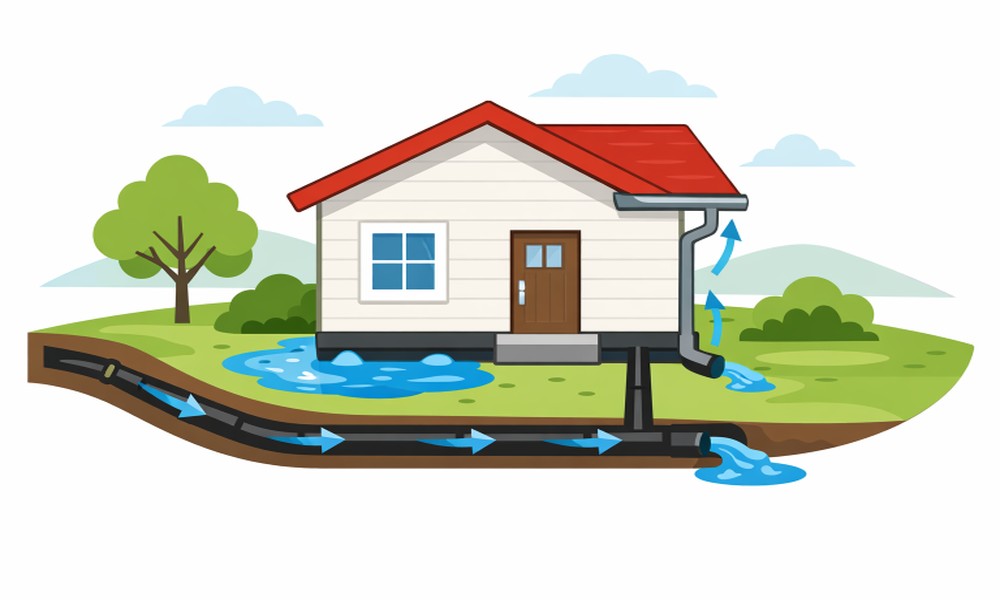
- French Drains: These consist of perforated pipes encased in gravel, installed below ground to safely divert subsurface water away from foundations and sensitive landscape areas.
- Surface Drains: These collect and redirect large volumes of water from driveways, patios, and other flat surfaces where pooling is common.
- Rain Gardens: Carefully selected native plants and soils capture and filter stormwater runoff, reducing pressure on artificial systems and enhancing your yard’s natural beauty.
Each method serves a specific purpose and, when selected appropriately, can be integrated to overcome even challenging drainage situations.
Smart Technology in Drainage Systems
Modern drainage solutions increasingly feature automated and responsive technologies designed to maximize efficiency and minimize risk. These innovations include sensors that monitor rainfall, ground saturation, and flow rates within gutters and drains, allowing systems to adapt in real time. Some setups can work with home automation platforms, alerting homeowners if intervention is needed. According to HGTV, smart systems dramatically reduce maintenance demands while providing far greater control over your home’s drainage.
Maintenance Tips for Drainage Systems
The sustainable performance of any drainage solution depends on regular oversight and maintenance. Key practices include:
- Clearing debris from gutters, downspouts, and drainage grates each season
- Inspecting sub-surface pipes for blockages or tree root intrusions
- Ensuring all grading and slopes surrounding your property continue to direct water safely away
- Checking for pipe leaks, cracks, or corrosion, and replacing damaged sections as soon as identified
Documenting and scheduling seasonal checks further helps in maintaining the reliability of your property’s entire water management system.
Conclusion
Successful water management is not a one-time investment; it is an ongoing priority for every homeowner who wants to avoid costly surprises after the next heavy rain. Employing the right drainage products, staying alert for potential issues, and integrating modern smart systems are all essential parts of a sustainable approach. Routine maintenance, paired with professional guidance when necessary, ensures your property remains protected for years to come. Taking these steps can mean the difference between peace of mind and the headaches of avoidable water damage.
