

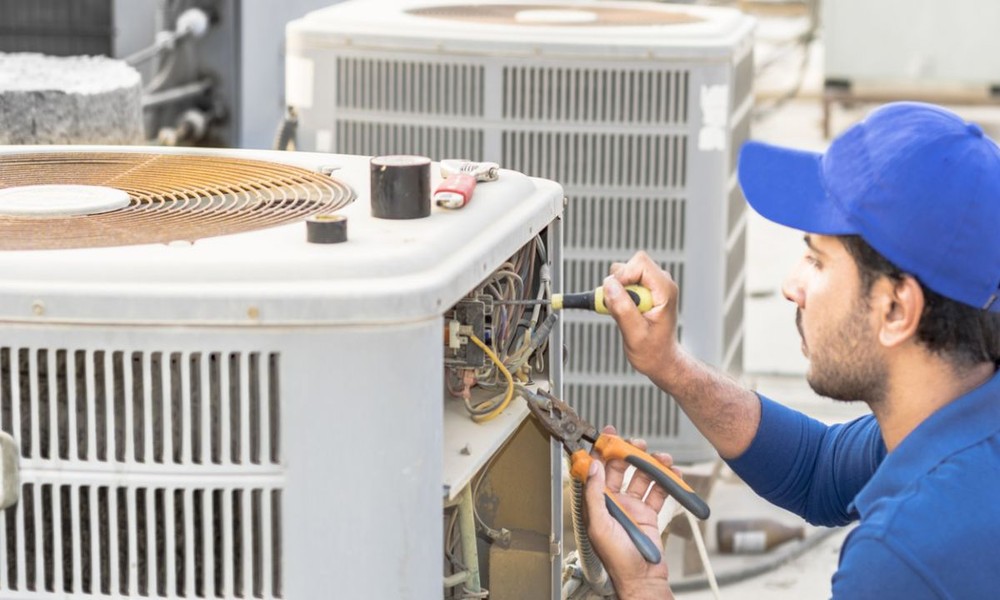
Most homeowners have been there-your heating or cooling system suddenly stops working, and the first instinct is to reset it. Sometimes, that quick reset does the trick. The system comes back to life, and everything feels normal again.
But what if the problem keeps returning? That’s often a sign of something deeper. While a reset can temporarily restore function, it doesn’t fix underlying mechanical or electrical issues. Understanding when your HVAC system needs more than a quick fix can save you from costly breakdowns, discomfort, and unnecessary stress.
Why a Reset Only Solves Surface-Level HVAC Problems
Resetting your HVAC system essentially restarts its internal controls. It can clear minor glitches, similar to rebooting a computer.
However, this approach only addresses temporary disruptions. It doesn’t resolve worn-out components, airflow restrictions, or refrigerant issues. If your system keeps needing resets, it’s not fixing itself-it’s signaling a deeper problem.
Relying too heavily on resets can delay proper repairs, allowing small issues to grow into major system failures over time.
Warning Signs Your System Needs Professional Attention
Certain symptoms clearly indicate that your HVAC system requires more than a quick reset. Ignoring these signs can lead to bigger complications.
Frequent cycling on and off is one of the most common red flags. If your system constantly shuts down and restarts, it may be struggling with internal faults.
Uneven temperatures throughout your home also point to underlying issues, such as airflow problems or failing components.
Strange noises-like grinding, banging, or squealing-often indicate mechanical wear. Similarly, unusual odors may signal electrical problems or mold growth within the system.
Another key indicator is a sudden increase in energy bills. When your HVAC system works harder than necessary, efficiency drops, and costs rise.
Common HVAC Issues That Require More Than a Reset
When problems persist, it’s often due to faults that cannot be resolved without proper inspection and repair. In these cases, reaching out to a reliable HVAC company in Easton, MD can help identify the root cause and restore system performance effectively.
Refrigerant leaks are a common issue. Without adequate refrigerant, your system cannot cool efficiently, no matter how many times you reset it.
Electrical component failures, such as faulty wiring or damaged capacitors, can also disrupt system function. These issues require professional handling for safety and accuracy.
Compressor problems are another major concern. As one of the most critical parts of your HVAC system, a failing compressor can lead to complete system breakdown if not addressed promptly.
Blocked or damaged ductwork can further reduce airflow, making your system work harder than necessary.
Mechanical vs. Electrical Problems
Mechanical issues typically involve moving parts like motors and fans. These components wear down over time and need repair or replacement.
Electrical problems, on the other hand, affect the system’s control mechanisms. These can be more complex and often require specialized diagnostic tools.
Understanding the difference helps explain why resets alone are not enough to solve persistent HVAC problems.
The Risks of Ignoring Persistent HVAC Problems
Delaying repairs can have serious consequences. What starts as a minor issue can quickly escalate into a full system failure.
Neglected problems often lead to higher repair costs. Fixing a small component early is far more affordable than replacing major parts later.
Indoor air quality may also suffer. A malfunctioning system can circulate dust, allergens, or even harmful particles throughout your home.
In some cases, there are safety risks involved. Electrical faults or overheating components can pose hazards if left unaddressed.
When to Call a Professional Instead of Troubleshooting
While basic maintenance tasks like changing filters are safe for homeowners, certain situations require expert intervention.
If your system continues to malfunction after a reset, it’s time to seek professional help. A qualified technician can diagnose issues accurately and prevent further damage.
Persistent performance problems, unusual noises, or inconsistent temperatures should never be ignored. Consulting an experienced HVAC company in Easton, MD ensures that the problem is handled correctly and efficiently.
Professionals have the tools and expertise to identify hidden faults that are not visible during basic troubleshooting.
Preventative Maintenance to Avoid Major Repairs
Regular maintenance is the most effective way to prevent HVAC issues from escalating.
Scheduling seasonal inspections helps catch small problems before they become serious. Technicians can clean components, check refrigerant levels, and ensure everything is functioning properly.
Changing air filters regularly improves airflow and system efficiency. Clean filters reduce strain on the system and enhance indoor air quality.
Routine tune-ups also extend the lifespan of your HVAC system. By keeping all components in good condition, you reduce the likelihood of unexpected breakdowns.
Over time, preventative care not only improves comfort but also lowers energy costs and repair expenses.
Conclusion
A quick reset may offer temporary relief, but it’s rarely a long-term solution for HVAC problems. When issues persist, they often point to deeper mechanical or electrical faults that require professional attention.
Recognising the warning signs early allows you to act before minor issues turn into costly repairs. Whether it’s unusual noises, rising energy bills, or uneven temperatures, these signals should not be ignored.
By prioritising proper maintenance and timely repairs, you can ensure your heating and cooling system remains efficient, reliable, and ready to keep your home comfortable year-round.
