

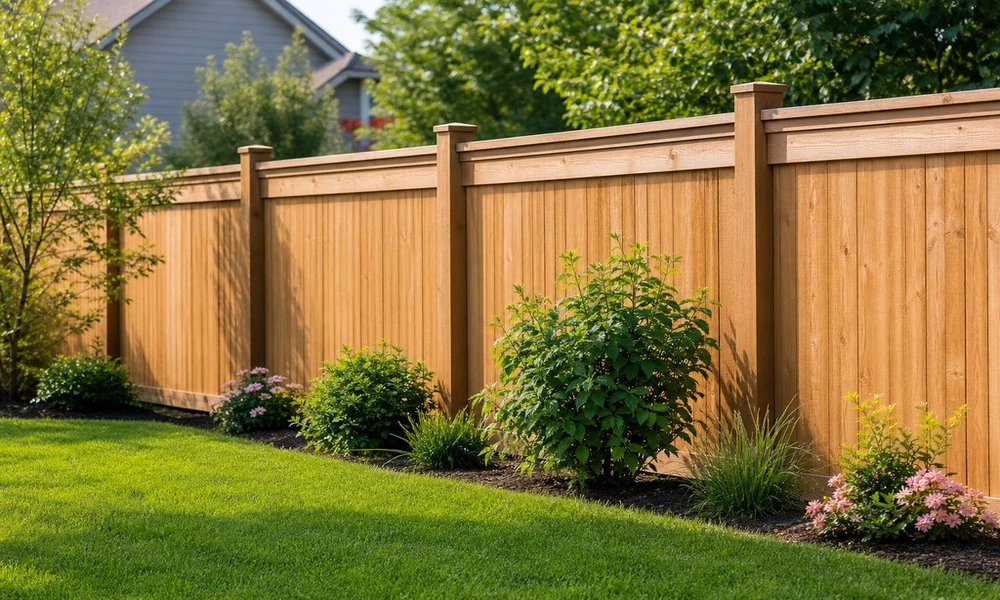
It’s easy to stop noticing your fence. You live next to it, you pass it daily. Buyers don’t know it, so they’ll see the uneven panels in the back, the crooked gate, or the gap in the side fence before they think about how nice the kitchen is. Getting a fence before your listing is less about putting a fancy new feature on the house and more about eliminating things a buyer could ask about.
Start at the property’s edges
Walk the whole property line with fresh eyes. Look for leaning posts, boards that come loose, nails and bolts that rust, spaces beneath the gates and anything that doesn’t look level anymore. The fence along the backyard, particularly next to the patio, gets a lot of attention because it’s likely to show up in pictures of the house and buyers’ walkthroughs. Even a slight lean on a good fence can suggest a sloppy yard.
Make sure you know the property line. In some older neighborhoods, fences weren’t always placed exactly on the line, especially if the house had changed owners multiple times. When in doubt, check your survey or get someone to verify it before you start replacing your fence. Don’t build over the issue.
Decide at this point whether you want to patch or replace your fence. If only one or two sections look bad, but the rest are straight, solid, and match, you might be able to just repair them. A line of mismatched boards, however, draws attention to a spot you’d prefer to go unnoticed.
Choose a style buyers understand
A great selling fence is typically a practical one. Buyers won’t have to think about a big renovation to like it. In general, fences with simple lines and a clean look work better because they fit a wide range of home styles and create the impression of a tidy yard.
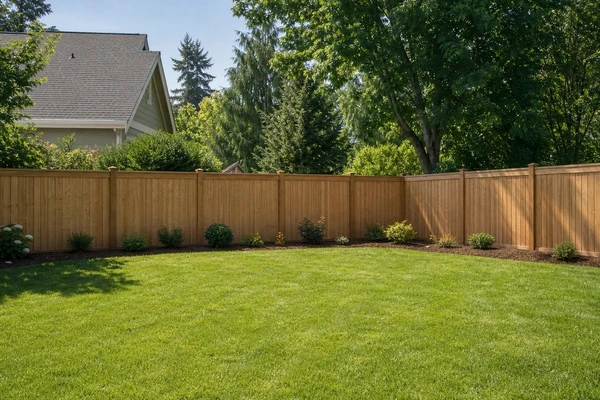
What will buyers see?
- Privacy by the patio or deck
- Gates that open and close easily
- A secure yard for kids or pets
- Uniform height and color where people will look
Enclosing an open yard is good when potential buyers need to picture a fenced-in pet area, for instance. That said, it’s unnecessary if the house is already surrounded by tall trees or landscaping; adding a new fence would give the impression of a small, enclosed space.
Keep focusing on your house. The last thing you want is for the fence to become the focal point.
Time the outdoor work carefully
It’s best to plan the fence installation with other projects, such as landscaping, painting, fixing drains, or cleaning up the patio, instead of doing it on its own. Construction equipment, bringing in materials, and setting up the fence can damage grass, mulch, or flowers. There’s nothing worse than spending time improving your front yard, then having the landscaping ruined during the installation.
Finish the structural work first. Then fill in bare spots, replace disturbed mulch, prune back any plants that got pushed out of place, and clean up the adjacent hardscape. This order also gives you a chance to see if the new fence blocks sunlight or creates shadows in places where you sit outside.
A new fence won’t hide an overflowing shed, shabby patio chairs, or piles of stuff against the wall. Clear those items away before you take pictures, so the fence becomes part of the outdoor living area, not just a place to store junk.
Check the rules and talk to neighbors
Fences sometimes require permits, are subject to height restrictions or setbacks – https://permitsguide.com/fence is worth a skim or have other regulations. These factors affect how you design and time the installation. Finding these out at the last minute can delay your home from going on the market.
If the fence is near the neighbor’s property, be considerate about notifying them. If the installation is along the boundary line, they deserve a heads-up on issues such as whether a contractor needs to enter their yard, what time construction starts, which fence is being removed, and what their fence will look like.
Consider access as well. A fence that prevents access to the sole means of getting lawnmowers, garbage cans, or ladders in the back might be a nuisance later on. A gate that allows easy access to the back yard will make the house easier to live in down the road.
Give the finished yard one last look
After the fence is done, walk the perimeter once more from the street, patio, and yard. Try opening and closing the gate, pick up debris, and make sure the line of the fence looks straight from the angles buyers will photograph.
When you stand on the patio before listing photos, look for anything left behind that needs to be picked up or fixed, such as loose screws or bare dirt around the posts.
