

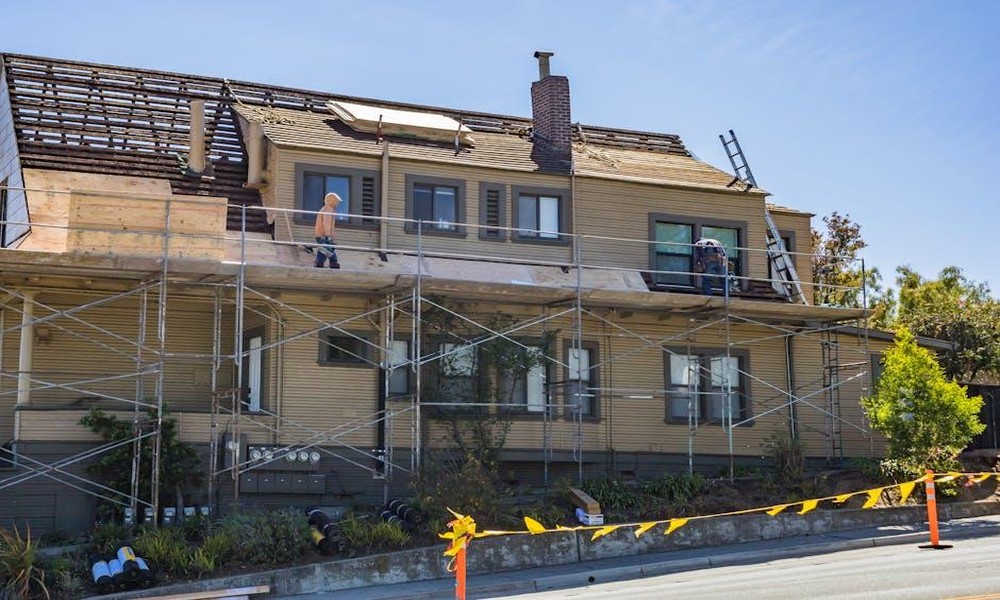
Identifying Signs and Causes of Structural Damage
Your home is likely your biggest investment, a place where memories are made and futures are built. But beneath the paint and decor lies its true backbone: the structural integrity that keeps it safe, sound, and valuable. Without proper attention, seemingly minor issues can escalate, threatening both your property and your peace of mind.
Home structural maintenance isn’t just about fixing problems; it’s about proactive care that preserves your home’s safety, extends its lifespan, and protects its market value. Ignoring the subtle signs of structural stress can lead to costly repairs and even compromise the safety standards of your living space.
In this extensive guide, we will explore everything you need to know about keeping your home’s foundation, walls, and roof in optimal condition. We will cover how to identify common structural issues, understand their causes, and perform effective DIY inspections. We will also discuss when to call a professional, explore effective repair methods, and outline essential preventive measures to safeguard your home for years to come.
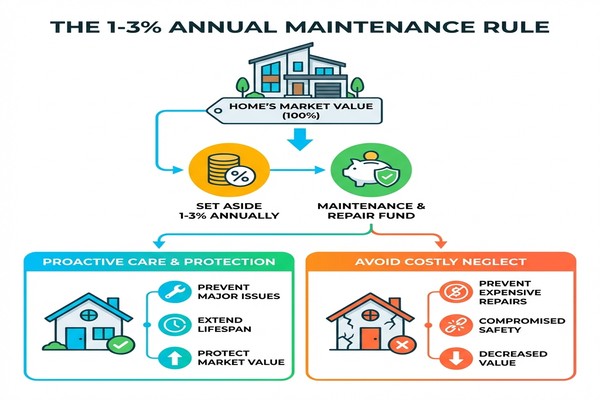
According to housing experts, we should set aside 1-3 percent of our home’s market value each year for maintenance and repair costs. This proactive approach ensures we can address issues before they become major structural concerns, upholding safety standards and preserving the longevity of our homes.
Recognizing the early warning signs of structural damage is crucial for preventing more extensive and costly repairs. Many issues start subtly, often dismissed as cosmetic, but can indicate deeper problems affecting your home’s stability.
Common Signs of Structural Issues:
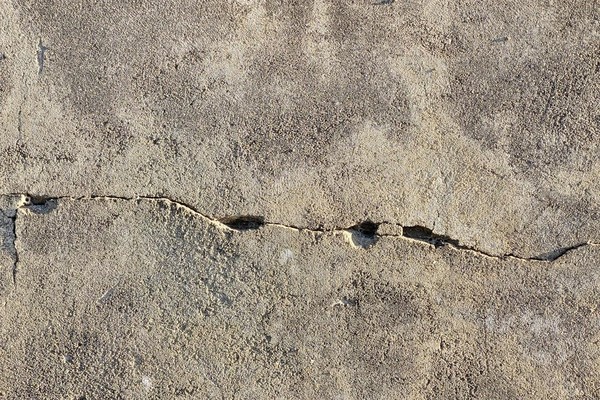
- Cracks in Walls or Foundation: While hairline cracks can be cosmetic, structural cracks are often wider than 1/8 inch, run horizontally, diagonally, or in a stair-step pattern (especially in masonry). They may appear around windows, doors, or where walls meet ceilings.
- Bowing or Leaning Walls: Walls that visibly lean inward or outward, particularly in basements or retaining walls, indicate significant pressure or instability.
- Sagging or Uneven Floors: Floors that feel bouncy, sloped, or have noticeable dips suggest compromised floor joists, subfloor issues, or foundation settlement.
- Sticking Doors and Windows: Doors and windows that suddenly become difficult to open or close, or show gaps around their frames, can be a sign of shifting walls or foundation movement.
- Misaligned Features: Gaps between walls and ceilings, separation at trim work, or chimneys pulling away from the house all point to movement.
- Moisture and Mold: Persistent dampness, efflorescence (white powdery residue) on concrete or masonry, or mold growth can indicate water intrusion that weakens structural components.
What Causes Structural Damage? The most common cause of structural failure is foundation movement due to soil issues. The ground beneath our homes is dynamic, and various factors can lead to its instability:
- Expansive Soil: Certain clay-rich soils expand when wet and contract when dry. This constant swelling and shrinking can exert immense pressure on foundations, causing them to heave upward or settle downward.
- Poor Drainage: Inadequate drainage around the home allows water to accumulate near the foundation. This can saturate the soil, leading to erosion, hydrostatic pressure against basement walls, or softening of the soil, all contributing to foundation settlement.
- Erosion and Shifting Ground: Heavy rains or poor landscaping can erode soil supporting the foundation, creating voids that lead to settlement. Shifting ground can also occur due to nearby construction, seismic activity, or even large tree roots.
- Moisture Intrusion: Beyond soil issues, water can directly damage a home’s structure. Leaky roofs, plumbing, or persistent dampness can lead to wood rot, mold growth, and corrosion of metal connectors, significantly weakening framing and subflooring. Maintaining the integrity of your home’s surfaces is key to preventing moisture from penetrating deeper into its structure. For insights into keeping your home’s exterior protected, you might find valuable information on Home structural surface maintenance.
- Tree Roots: Large trees planted too close to the foundation can draw moisture from the soil, causing it to shrink, or their roots can physically exert pressure, leading to cracks and displacement.
- Aging Materials and Construction Flaws: Over time, building materials can deteriorate. Older homes, in particular, may have foundations or framing not built to modern standards, making them more susceptible to structural issues. Poor construction practices, such as inadequate compaction of soil before building, can also lead to long-term problems.
- Termite and Pest Activity: Termites, carpenter ants, and other wood-destroying organisms can silently compromise the structural integrity of wooden beams, joists, and subflooring.
To help distinguish between minor and significant issues, consider the following:
Feature Cosmetic Crack Structural Crack Width Hairline to 1/8 inch Wider than 1/8 inch, often growing Pattern Vertical, horizontal, often random Diagonal, stair-step, horizontal, continuous Location Plaster, drywall, non-load-bearing elements Foundation, load-bearing walls, around openings Associated Signs None Sticking doors/windows, uneven floors, bowing walls Growth Stable, not growing Widening, lengthening over time Understanding these signs and their underlying causes empowers us to take timely action, protecting our most valuable asset.
Proactive Home Structural Maintenance Strategies
Preventative care is the cornerstone of preserving your home’s structural integrity. By implementing a routine of inspections and maintenance, we can mitigate risks and address potential issues before they escalate.
One of the most critical aspects of structural maintenance is water management. Water is often the primary culprit behind foundation problems.
- Proper Soil Grading: Ensure the ground around your home slopes away from the foundation at a minimum of 1 inch per foot for at least 6 feet. This directs rainwater away, preventing it from pooling and saturating the soil near the foundation.
- Gutter and Downspout Maintenance: Keep gutters clean and free of debris to ensure efficient water flow. Extend downspouts at least 6 feet away from the foundation, or connect them to underground drainage systems, to discharge water safely away from the house.
- Subfloor Clearance and Ventilation: For homes with crawl spaces, maintain at least 400mm (approximately 16 inches) of clearance under subfloor timber structures to deter termites and allow for proper air circulation. Ensure adequate ventilation in crawl spaces to prevent moisture buildup, which can lead to wood rot and mold. A vapor barrier (at least 6-mil polyethylene) covering 100% of the crawl space floor can also significantly reduce moisture.
- Vegetation Management: Trim trees and shrubs so they are at least 1 foot away from the foundation. Large tree roots can interfere with foundation stability, and excessive foliage can trap moisture against exterior walls.
- Roof Maintenance: Our roof is the first line of defense against water intrusion. A qualified roofer should inspect your roof every three years. Regularly check for damaged, missing, or curling shingles, and address any flashing issues around chimneys or vents promptly.
- HVAC Filter Cycles: While not directly structural, maintaining your HVAC system by changing air filters at least once every three months contributes to overall indoor air quality and moisture control, preventing issues like mold that can indirectly affect structural elements.
- Exterior Maintenance: Beyond the foundation, maintaining the exterior of your home is vital. This includes regular checks of siding, windows, and doors for cracks, gaps, or signs of wear. Quality exterior maintenance not only enhances curb appeal but also protects the underlying structure from moisture and pests. For more information on maintaining your home’s exterior against the elements, consider resources on Quality home exterior maintenance.
Essential DIY Inspections for Home Structural Maintenance
Empowering ourselves with basic inspection skills can help us catch problems early. We recommend performing these checks seasonally, or at least twice a year:
- Foundation and Basement/Crawl Space:Walk around the exterior and interior perimeter, looking for cracks, bowing, or efflorescence (white powdery salt deposits) on masonry walls.
- Use a flashlight to inspect crawl spaces and basements for dampness, mold, pest activity, or signs of wood rot. Probe wooden beams with a screwdriver to check for softness.
- Check for proper vapor barrier coverage and adequate ventilation.
- Floors, Walls, and Ceilings:Use a level to check for unevenness or slopes in floors.
- Look for new or widening cracks in drywall, plaster, or ceiling finishes.
- Test doors and windows for sticking or gaps, which could indicate frame distortion.
- Roof and Attic:From the ground, visually inspect your roof for damaged shingles, sagging, or debris accumulation.
- In the attic, check for water stains, signs of leaks, pest entry points, and proper insulation and ventilation.
- Drainage System:After a rain, observe how water drains around your home. Look for pooling near the foundation.
- Ensure gutters and downspouts are clear and directing water away effectively.
- Safety Systems:Test smoke and carbon monoxide detectors monthly, and replace them every 10 years.
- Test your home for radon every two years.
- Pest Control: Look for signs of termites (mud tubes, discarded wings) or other pests, especially in wood-to-ground contact areas.
- Masonry Spalling: Check brick or concrete surfaces for spalling (flaking or peeling), which often indicates moisture damage and freeze-thaw cycles.
By staying vigilant with these DIY checks, we can often identify minor issues before they become significant structural threats.
Regional Factors: Soil, Climate, and Seismic Activity
A home’s structural maintenance needs are profoundly influenced by its geographic location. Regional factors like soil composition, climate patterns, and seismic activity dictate specific vulnerabilities and preventative measures.
- Soil Type:Expansive Clay Soils: Regions with high clay content, common in many parts of the U.S., experience significant soil expansion and contraction with moisture changes. This dynamic stress leads to foundation heave and settlement, causing cracks and structural shifts. Consistent soil moisture management, often through landscape irrigation during dry periods, can help mitigate these effects.
- Sandy Soils: While less prone to expansion, sandy soils can be highly susceptible to erosion and liquefaction during seismic events or heavy saturation, leading to rapid settlement.
- Sinkhole-Prone Areas: Parts of Florida, for example, sit atop soluble limestone bedrock, making them susceptible to sinkhole formation. This geological feature poses a unique and severe structural risk, often requiring specialized foundation stabilization techniques.
- Climate:High Humidity and Rainfall: Climates with high humidity and heavy rainfall accelerate wood rot, mold growth, and corrosion of metal components. Effective waterproofing, drainage, and ventilation (especially in crawl spaces and attics) are paramount.
- Drought Conditions: Prolonged droughts can cause significant soil shrinkage, leading to foundation settlement. Watering the soil around the foundation during dry spells can help maintain consistent moisture levels.
- Freeze-Thaw Cycles: In colder climates, repeated freezing and thawing of water in the soil can exert immense pressure on foundations, leading to cracks and displacement. Proper drainage and deep foundations are critical.
- Coastal Salt Attack: Homes in coastal areas are exposed to salt-laden air, which can accelerate corrosion of metal components and cause deterioration of masonry. Regular inspections and use of corrosion-resistant materials are essential.
- Seismic Activity:Regions prone to earthquakes, like California, require specific structural considerations. Seismic retrofitting, including strengthening cripple walls in crawl spaces, bolting foundations to sill plates, and reinforcing shear walls, is crucial to prevent collapse during ground shaking. Many homes in these areas have crawl space foundations with cripple walls not engineered to current seismic standards, making them particularly vulnerable.
- Extreme Weather Events:Hurricanes and High Winds: Coastal areas are also vulnerable to hurricanes, requiring homes to be built with robust wind resistance, including hurricane ties for roofs and reinforced wall systems. Regular inspection for roof damage and securing exterior elements are ongoing maintenance tasks.
- Flooding: Homes in flood plains may need raised foundations, flood vents, or barriers to protect structural integrity from water inundation.
Understanding these regional influences allows us to tailor our structural maintenance plans, ensuring our homes are resilient against the specific environmental challenges they face.
Professional Inspections and Advanced Repair Methods
While DIY inspections are valuable for early detection, certain structural issues demand the expertise of professionals. Knowing when to call in the cavalry and understanding the advanced repair methods available can save your home from irreversible damage.
When to Call a Professional Structural Engineer or Inspector: We should always call a professional if we observe any of the following:
- Significant Cracks: Cracks wider than 1/8 inch, horizontal cracks, stair-step cracks, or cracks that are growing over time.
- Bowing or Leaning Walls: Any visible distortion of walls, especially in basements or retaining structures.
- Persistent Unevenness: Floors that are significantly sloped or sagging, or doors/windows that consistently stick.
- Water Intrusion: Chronic dampness, water pooling, or severe mold in basements or crawl spaces that DIY solutions can’t resolve.
- Post-Disaster Assessment: After events like floods, earthquakes, or severe storms, even if no visible damage is apparent.
- Pre-Purchase Evaluation: Before buying an older home, a structural evaluation can reveal hidden issues and potential costs.
- Concerns about Foundation Movement: If you suspect foundation settlement or heave, a structural engineer can conduct a thorough assessment, including soil sampling and precise measurements, to diagnose the root cause.
A professional structural engineer can provide an unbiased assessment, identify the root cause of issues, and design appropriate repair plans. Their expertise is invaluable for ensuring the safety and longevity of your home. Hiring a professional for regular home inspections can significantly improve your home’s structural integrity. Professionals have the training to spot issues that may be missed by an untrained eye. For example, scheduling a structural integrity inspection is crucial to identify any underlying problems.
Effective Methods for Repairing Common Structural Issues:
- Foundation Settlement:
- Piering/Underpinning: For significant settlement, helical piers or push piers are driven deep into the ground until they reach stable soil or bedrock. These piers then support and, if possible, lift the foundation back to its original position. This is a common and highly effective solution for long-term stability. For robust solutions in foundation repair, exploring options like Ram Jack home structural piers can provide lasting stability.
- Slab Jacking (Polyurethane Foam Injection): For concrete slabs (like driveways, patios, or slab foundations) that have settled, polyurethane foam can be injected beneath the slab. The foam expands, lifting the concrete back into place and stabilizing the soil. This method is often less invasive and faster than traditional mudjacking.
- Soil Stabilization: In cases of expansive or loose soils, techniques like chemical grouting or deep compaction can alter soil properties to prevent future movement.
- Wall Cracks and Bowing Walls:
- Carbon Fiber Straps: For bowing basement walls, strong carbon fiber straps can be epoxied to the interior surface, providing reinforcement and preventing further inward movement. These are low-profile and highly effective.
- Steel Anchors/Wall Bracing: For more severe bowing, steel I-beams or wall anchors can be installed, connecting the bowing wall to stable soil outside the foundation, effectively pulling the wall back into place or preventing further movement.
- Crack Stitching: For masonry cracks, stainless steel bars can be inserted into cut slots across the crack and bonded with epoxy or grout. This effectively “stitches” the masonry back together, restoring its structural integrity.
- Sagging Floors:
- Beam and Joist Reinforcement: Sagging floor joists or beams can be reinforced with new lumber, steel supports, or specialized sistering techniques to restore their load-bearing capacity.
- Adjustable Support Posts: In crawl spaces, adjustable steel support posts can be installed to provide additional support to sagging floor systems.
Does Homeowners Insurance Typically Cover Structural Repairs? This is a critical question with a nuanced answer:
- Coverage for Sudden, Accidental Events: Most homeowners insurance policies do cover structural repairs if the damage results from a sudden, accidental event. This includes perils like fire, lightning, windstorms, hail, vandalism, and sometimes sudden plumbing leaks.
- Exceptions and Exclusions: However, policies typically exclude damage caused by:
- Foundation Settlement or Earth Movement: This is often a major exclusion, meaning damage from expansive soils, shifting ground, or gradual settlement is usually not covered.
- Wear and Tear or Poor Maintenance: Damage that occurs gradually due to neglect, aging, or lack of maintenance is almost always excluded.
- Flooding: Standard policies do not cover flood damage; separate flood insurance is required.
- Earthquakes: Similar to floods, earthquake damage typically requires a separate policy or endorsement.
It is imperative to check your specific policy or consult your insurance provider to understand your coverage. Some insurers offer riders or endorsements that can extend coverage to certain types of earth movement, but these are not standard.
How Often Should You Schedule Professional Structural Inspections and Maintenance? While annual visual checks are recommended for homeowners, professional structural inspections have a different cadence:
- General Recommendation: For most homes, a professional structural engineer inspection every 3-5 years is a good practice, especially as a home ages.
- After Significant Events: Immediately after any major natural disaster (earthquake, hurricane, severe flood), a professional inspection is crucial.
- Pre-Purchase: Always get a structural inspection before purchasing a home, particularly older properties.
- When Signs Appear: If you notice any of the significant warning signs discussed earlier, don’t wait for your scheduled inspection; call a professional immediately.
Proactive professional oversight, combined with our diligent DIY checks, forms the most robust defense against structural degradation, ensuring our homes remain safe and sound for generations.
Frequently Asked Questions about Home Structural Maintenance
Does homeowners insurance cover structural repairs?
Homeowners insurance typically covers structural repairs if the damage is caused by a sudden, accidental event. This often includes perils like fire, lightning, windstorms, and certain types of plumbing leaks. However, most policies explicitly exclude damage resulting from gradual issues such as foundation settlement, earth movement (unless it’s a covered peril like a landslide triggered by a covered event), wear and tear, or deferred maintenance. Flood and earthquake damage also usually require separate insurance policies. Always review your specific policy documents or consult your insurance provider to understand your coverage limitations and any available endorsements.
How often should I schedule a professional structural inspection?
While we recommend performing thorough DIY visual inspections at least twice a year, a professional structural inspection by a qualified engineer is advisable every 3 to 5 years for most homes. This frequency allows experts to identify subtle issues that might be missed by an untrained eye. Additionally, a professional inspection is crucial after any significant natural disaster, before purchasing an older home, or immediately if you observe any concerning signs of structural distress, such as new or widening cracks, bowing walls, or significant unevenness in floors.
What is the most common cause of structural failure in residential buildings?
The most common cause of structural failure in residential buildings is foundation movement due to soil issues. This encompasses a range of problems, including expansive soils that swell and shrink with moisture changes, poor drainage that leads to soil saturation or erosion, and shifting ground caused by various environmental factors. These soil-related issues can exert immense pressure on a home’s foundation, leading to settlement, heave, and ultimately, cracks and instability throughout the structure. Other contributing factors include moisture intrusion, aging materials, poor construction practices, and seismic activity, but soil dynamics remain the predominant culprit.
Conclusion
Our homes are more than just buildings; they are central to our lives and often our most significant financial asset. Protecting this investment through diligent home structural maintenance is not merely a chore but a commitment to safety, longevity, and peace of mind. By understanding the common signs of structural issues, recognizing their underlying causes, and implementing proactive maintenance strategies, we empower ourselves to safeguard our properties.
From ensuring proper drainage and managing vegetation to performing regular DIY inspections and knowing when to call a professional structural engineer, every step we take contributes to our home’s resilience. The insights gained from professional consultations and the application of advanced repair methods can address complex problems effectively, preventing minor issues from escalating into costly crises.
Consistent care and attention to our home’s structural integrity will preserve its value, extend its lifespan, and ensure it remains a safe and stable haven for years to come. Let us embrace the responsibility of maintenance, ensuring our homes stand strong against the forces of time and nature.
