

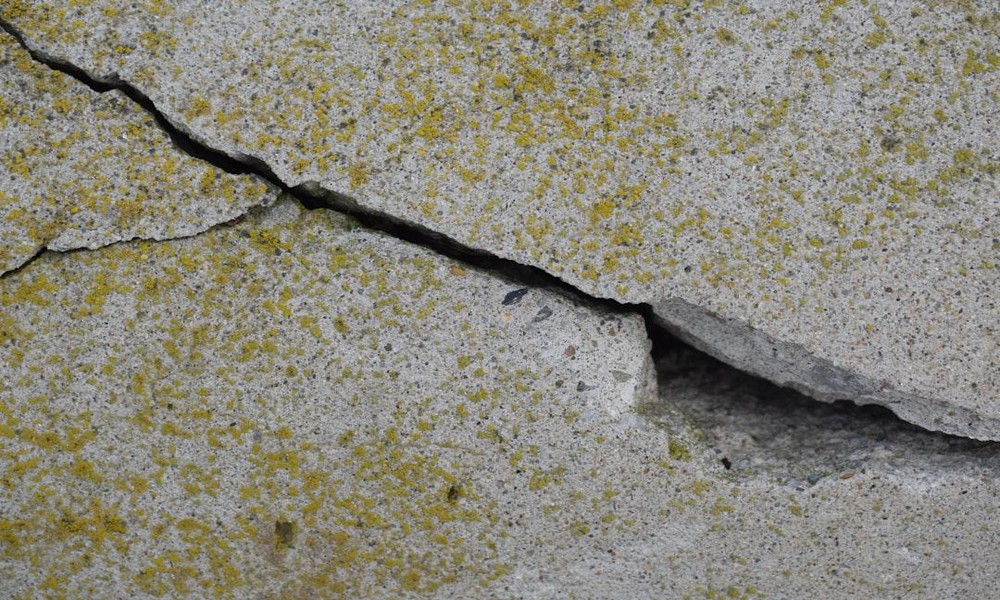
Identifying Structural vs. Cosmetic Issues in Pool Renovation and Construction
A sparkling swimming pool is often the centerpiece of any residential or commercial property. It offers relaxation, recreation, and a significant boost to property aesthetics. However, the surrounding pool deck, while crucial for both function and beauty, often faces considerable wear and tear. Over time, cracks can appear, marring its appearance and raising concerns.
These seemingly minor imperfections can quickly escalate. They compromise safety, diminish property value, and lead to more costly issues if ignored. Ensuring the long-term health of your entire pool environment, including the deck, is as vital as the initial installation or any major Gunite pool renovation and construction project. Addressing deck issues promptly helps maintain structural integrity and prevents further damage.
In this extensive guide, we will explore the common causes of pool deck cracks. We will also delve into effective repair methods, from simple DIY fixes to advanced professional techniques. We aim to provide comprehensive insights to help you understand when to tackle repairs yourself and when to call in the experts. This knowledge will help you maintain the structural integrity and aesthetic appeal of your pool deck for years to come.
The appearance of cracks in a pool deck can be alarming, but not all cracks signify a significant problem. Understanding the root causes is the first step toward effective repair and long-term prevention. Many factors contribute to the degradation of concrete pool decks, including environmental stressors and construction deficiencies.
One of the most pervasive causes is soil settlement. The ground beneath a concrete slab is rarely perfectly stable. Over time, soil can compact, erode, or shift, leading to uneven support for the deck. This differential settlement places immense stress on the rigid concrete, leading to cracking. Heavy rains can exacerbate this, especially in regions like Arkansas, where expansive clay soils swell significantly when wet and contract when dry, actively pushing and pulling at the concrete.
Freeze-thaw cycles are another significant culprit, particularly in colder climates such as New England. Water that seeps into small cracks, pores, or beneath the concrete slab expands by approximately 9% of its original volume when it freezes. This expansion exerts tremendous pressure, widening existing cracks and creating new ones. Repeated cycles can lead to severe spalling, pitting, and structural damage.
Hydrostatic pressure can also play a role. If groundwater levels rise significantly, the upward pressure on the underside of the concrete slab can cause it to lift, shift, and crack. This is especially problematic if the deck lacks proper drainage or if the surrounding soil becomes saturated.
Beyond these environmental factors, issues related to the original construction can contribute to cracking. A poor concrete mix, insufficient slab thickness, or inadequate reinforcement can compromise structural integrity. A weak bond beam (the perimeter structure of the pool) can also transfer stress to the surrounding deck, leading to cracks that radiate outwards. General ground movement and erosion over time further contribute to these issues, undermining the stability of the entire structure.
Differentiating Hairline Cracks from Structural Failure
Distinguishing between minor, cosmetic cracks and more serious structural issues is crucial for determining the appropriate course of action.
Hairline cracks are typically superficial, often less than 1/16 inch wide. These are frequently referred to as shrinkage cracks or crazing. Shrinkage cracks occur as the concrete dries and cures, losing moisture and shrinking slightly. Crazing refers to a network of fine, random cracks on the surface, often caused by rapid surface drying during curing. While unsightly and allowing moisture ingress, these cracks usually do not affect the deck’s structural integrity. They are a common, almost inevitable, characteristic of concrete.
On the other hand, structural cracks are a cause for greater concern. These cracks are generally wider than 1/16 inch, may run through the entire depth of the slab, and often show signs of vertical displacement (one side of the crack is higher or lower than the other). Indicators of structural failure include:
- Shifting slabs: Sections of the deck are noticeably uneven, creating tripping hazards.
- Cracks that continue to widen: A crack that grows over time suggests ongoing movement or stress.
- Cracks that run across control joints: Control joints are designed to encourage cracking in specific, controlled lines. Cracks ignoring these joints indicate deeper, uncontrolled forces at play.
- Hollow-sounding concrete: To check for this, we can perform a simple sounding technique. Using a wire brush, hammer, or even a heavy chain, tap or drag it across the concrete surface. A solid, uniform sound indicates good adhesion, while a hollow or dull thud suggests a void or delamination beneath the slab. If the sound changes dramatically around a crack, it may indicate a deeper structural issue or a void that needs to be addressed.
Moisture ingress is a significant concern for both types of cracks. Even hairline cracks allow water to penetrate the concrete and reach the sub-base. This can lead to erosion of the underlying soil, rust on any steel reinforcement, and exacerbate freeze-thaw damage, turning a minor issue into a major one over time. Promptly addressing even small cracks is key to preventing this escalation.
Advanced Materials for Modern Pool Deck Restoration
Modern advancements in concrete repair technology have provided us with a wide array of materials designed for durability, aesthetics, and ease of application. When considering pool deck restoration, selecting the right materials is paramount for a long-lasting and effective repair. These materials go beyond simple patches, offering solutions that enhance the deck’s structural integrity, aesthetic appeal, and safety.
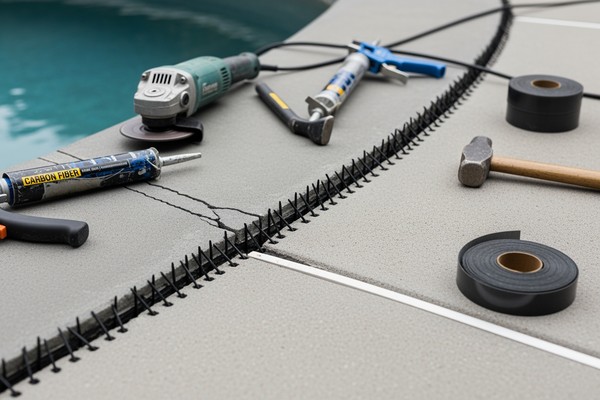
For instance, carbon fiber stitching has emerged as a method for reinforcing concrete. Carbon fiber is powerful, boasting a tensile strength approximately 10 times that of steel (based on dry fiber properties versus grade 60 steel). This material is non-corrosive, making it ideal for wet environments like pool decks, where traditional steel rebar might rust and expand, causing further damage.
Epoxy injection is another powerful technique, particularly for structural cracks. These two-part epoxies are injected into cracks, bonding the concrete back together and restoring its structural integrity. They are known for their high compressive and tensile strength.
For uneven or sunken slabs, polyurethane foam injection offers a minimally invasive solution. This specialized foam expands rapidly upon injection beneath the concrete, lifting and leveling the slab. It’s a quick process, often taking less than an hour, and can be done without draining the pool.
Beyond structural repairs, surface treatments play a vital role. Polymer-modified concrete overlays are designed as thin, durable coatings that can be applied over existing concrete to repair surface damage, provide a fresh look, and enhance resistance to wear and tear. These overlays can be colored and textured to mimic various finishes.
Ensuring safety around the pool is critical, and modern materials address this through slip-resistant textures. These can be integrated into overlays or applied as specialized coatings. Furthermore, UV resistance is a key feature of high-quality sealers and coatings, protecting the deck from sun-induced fading and degradation. Finally, nanoparticle sealers offer superior protection by penetrating deep into concrete pores, creating a durable barrier against water, chemicals, and abrasion.
High-Performance Fillers and Reinforcements
The choice of filler and reinforcement depends heavily on the type and severity of the crack.
For serious structural cracks, carbon fiber staples (or “stitches”) are an excellent reinforcement option. These are embedded across the crack, locking the concrete pieces together and preventing further movement. They are particularly effective when combined with epoxy injection. The non-corrosive nature of carbon fiber ensures that the repair itself will not become a future problem due to rust in the moist pool environment.
For repairing and sealing cracks, two-part epoxies are often the go-to solution for their strength and durability. These come in various formulations:
- Self-leveling sealers: Ideal for horizontal cracks, these flow into the crack and create a smooth, level surface.
- Non-sag adhesives: Perfect for vertical or overhead repairs, these maintain their shape without dripping or slumping.
- Anchoring and concrete repair epoxies: These are high-strength, fast-setting solutions used for deeper, more significant repairs.
For more minor, non-structural cracks, simpler fillers can be effective:
- Vinyl fillers: These are flexible and can accommodate minor movement, making them suitable for hairline cracks that might expand and contract slightly with temperature changes.
- Acrylic sealants: Similar to vinyl, acrylic sealants offer good flexibility and adhesion for minor surface cracks, providing a waterproof barrier.
When selecting any product, it’s crucial to choose those specifically designed for outdoor concrete and wet environments, ensuring they can withstand chlorine, UV exposure, and temperature fluctuations.
Professional Techniques for Pool Renovation and Construction
While a diligent DIY enthusiast can tackle many minor pool deck cracks, professional intervention becomes essential for more complex or structural issues. Professionals bring specialized equipment, extensive experience, and a deeper understanding of concrete mechanics to ensure a durable and aesthetically pleasing repair.
Here are some essential repair tools that professionals (and some DIYers) utilize:
- Chisel and Hammer: For widening cracks, removing loose concrete, or preparing the surface.
- Wire Brush: Crucial for thoroughly cleaning cracks and removing debris before applying fillers or epoxies.
- Pressure Washer: Used for deep-cleaning the entire deck surface, ensuring optimal adhesion of new materials.
- Grinder/Saw: For cutting control joints, preparing surfaces for overlays, or widening cracks for better filler penetration.
- Trowels and Floats: For applying and smoothing concrete patches, overlays, and sealers.
- Mixing Equipment: Power drills with mixing paddles for thoroughly blending two-part epoxies, mortars, or resurfacing compounds.
- Bonding Agents: Applied to existing concrete surfaces to enhance the adhesion of new materials, preventing delamination.
- Specialized Injection Equipment: For polyurethane foam or epoxy injections, ensuring precise and deep penetration.
One of the key advantages of professional services is the ability to perform repairs, such as underwater repair kits for coping or tile issues, without necessarily draining the entire pool. For deck repairs, while draining the pool isn’t usually required, professionals ensure that any water sources are diverted and the area is dry for optimal material adhesion.

Proper curing times are critical for the longevity of any concrete repair. Concrete undergoes hydration, forming crystals that harden the material. This process typically takes 28 days to reach full strength. Professionals understand the importance of maintaining ideal conditions (temperature, moisture) during this period to prevent issues like crazing or premature weakening.
Common mistakes often made by inexperienced individuals include inadequate surface preparation, using the wrong type of filler, or over-application of sealers, which can lead to peeling or a slippery surface. Professionals avoid these pitfalls, ensuring each step is executed correctly.
Step-by-Step Restoration of Concrete Surfaces
For small to medium-sized cracks, a systematic approach ensures the best results. This general guide can be adapted for various fillers and repair types:
- Debris Removal and Surface Preparation: Begin by thoroughly cleaning the crack. Use a wire brush to scrub out all loose debris, dirt, and old sealant. For deeper or wider cracks, a chisel and hammer may be needed to carefully widen the crack slightly (creating an inverted V-shape cross-section) to allow the repair material to achieve better mechanical lock. Use a pressure washer to clean the entire area, ensuring all contaminants are removed. Allow the area to dry completely.
- Applying Bonding Agent (if necessary): For some repair materials, especially overlays or thicker patches, a bonding agent is applied to the clean, dry concrete surface. This creates a stronger bond between the old and new materials.
- Mixing the Repair Material: Whether using a concrete patch, epoxy, or a specialized filler, follow the manufacturer’s instructions precisely. For concrete or mortar, aim for a “peanut butter consistency” – thick enough to hold its shape but workable enough to spread easily. For two-part epoxies, ensure thorough mixing of both components to initiate curing.
- Filling the Cracks: Apply the repair material into the crack, ensuring it fills from the bottom up. For concrete patches, it’s often recommended to overfill for shrinkage. Concrete patches can shrink by about 15% as they dry, so applying a slight mound above the surface compensates for this. For epoxies or sealants, ensure the crack is fully saturated.
- Smoothing Techniques: Use a trowel, putty knife, or even a gloved finger to smooth the repair material flush with the surrounding concrete surface. For a textured finish, you might gently brush the surface with a broom or sponge.
- Curing and Sealing: Allow the repair material to cure according to the manufacturer’s specified time. This can range from a few hours for fast-setting epoxies to several days for concrete patches. Once cured, apply a suitable concrete sealer over the repaired area and, if desired, the entire deck. This protects the repair from moisture, UV rays, and chemicals. Be mindful of moisture vapor pressure; ensure the concrete is dry before applying to prevent moisture from being trapped beneath the sealer, which can lead to blistering or peeling.
For more extensive damage, such as significant structural cracks or uneven slabs, professionals might employ techniques like slabjacking (polyurethane foam or grout injection) to lift and stabilize the concrete, or apply full resurfacing overlays to restore the entire deck’s appearance and functionality.
Economic and Maintenance Considerations for Long-Term Durability
Investing in pool deck crack repair is not just about aesthetics; it’s about safeguarding your property, ensuring safety, and extending the lifespan of your entire pool area. Understanding the economic implications and committing to proper maintenance are key to achieving long-term durability.
Let’s compare the costs and expected lifespans of DIY versus professional repairs:
Feature DIY Repair Professional Repair Typical Cost $50 – $300 (materials only) $500 – $3,000+ (depending on damage/area) Cost per sq ft Varies, often not applicable for minor fixes $3 to $12 per sq ft (for larger repairs/resurfacing) Lifespan 1 – 3 years (usually temporary) 10 – 20 years (with proper maintenance) Re-crack rate Around 50% re-crack after 2 years Significantly lower with structural repairs Skill Required Beginner to Intermediate Expert, specialized knowledge and equipment Warranty None Often includes a warranty on labor and materials Safety Potential for improper fix, tripping hazards Ensures compliance with safety standards While DIY repairs can be cost-effective for minor hairline cracks, the statistics highlight a crucial point: “Around 50% of crack repairs will crack again after 2 years.” This often points to DIY methods being temporary fixes rather than long-term solutions, primarily if the underlying cause isn’t addressed. Professional repairs, despite a higher upfront cost, offer significantly longer lifespans and often come with warranties, providing better value in the long run.
Maintenance schedules are critical for extending the life of any repair and preventing future issues. This includes:
- Regular Cleaning: Use pH-neutral cleaners to prevent chemical damage to concrete and sealers. Avoid harsh acids or abrasive cleaners.
- Annual Inspections: Regularly check the deck for new cracks, signs of settlement, or wear on sealers. Early detection can prevent minor issues from escalating.
- Property Liability: A well-maintained, crack-free deck reduces the risk of tripping hazards, which is essential for both residential and commercial properties.
- Slip Resistance Standards: Ensure your deck maintains adequate slip resistance, especially in wet areas. This might involve applying sealers with grit additives.
Preventive Maintenance in Modern Pool Renovation and Construction
Prevention is always better than a cure. Implementing wise design choices and consistent maintenance can drastically reduce the likelihood of severe cracking.
- Expansion Joints: TCrucial elements in concrete construction. Materials like Sakrete concrete expansion joints are flexible strips installed at predetermined intervals or where the concrete meets another structure (such as the pool coping). They absorb concrete’s expansion and contraction due to temperature changes, preventing random cracking. Ensuring these joints are correctly installed and maintained is vital.
- Penetrating Sealers: After a new installation or a significant repair, applying a high-quality penetrating sealer is essential. These sealers soak into the concrete, blocking pores and creating a barrier against moisture and chemicals without altering the surface appearance. They should be reapplied every 2-3 years, or more frequently in high-traffic or harsh climates.
- Drainage Slopes: The pool deck should always be designed with a slight slope away from the pool and any adjacent structures. This ensures that water (rain, splashes) drains off the deck efficiently, preventing pooling that can lead to water infiltration and freeze-thaw damage.
- Gutter Maintenance: If your property has gutters, ensure they are clean and that water is directed away from the pool deck’s foundation. Poor gutter maintenance can lead to soil saturation and erosion beneath the deck.
- Address Freeze-Thaw Cycles: In regions prone to freezing temperatures, ice expansion is a significant concern. Frozen water expands by 9% of its original volume. Proper sealing and drainage are the best defenses against this destructive force.
- Re-sealing: As mentioned, re-sealing the entire deck every 2-3 years is a general best practice. For poolside decks, some experts recommend annual sealing due to constant exposure to water, chemicals, and UV rays.
- Protective Furniture Pads: Use pads under the legs of heavy outdoor furniture to distribute weight and prevent localized pressure points that can lead to cracking or indentations.
By integrating these economic considerations and maintenance practices, we can ensure that our pool decks remain safe, beautiful, and structurally sound for decades.
Frequently Asked Questions about Pool Renovation and Construction
Addressing common questions helps clarify uncertainties and empowers property owners to make informed decisions regarding their pool deck.
Can repairs be performed without draining the pool?
For many types of pool deck crack repairs, draining the pool is generally not required. The deck is a separate structure from the pool shell itself, and most repair work focuses on the concrete surface.
However, there are specific scenarios where the pool’s water level might be a consideration:
- Underwater Sealants: If cracks extend to the pool’s coping or beam and require sealing that interacts with water, specialized underwater sealants can often be applied without draining the pool.
- Above-Waterline Tile Repair: For repairs to tiles just above the waterline, the pool can remain full. However, for tiles below the waterline, lowering the water level is usually necessary for proper adhesion and curing.
- Polyurethane Foam Injection: This advanced method for lifting and leveling sunken concrete slabs is remarkably non-disruptive. The foam is injected beneath the slab, and the process can typically be completed without draining the pool, making it a highly convenient option for correcting uneven decks.
- Minimally Invasive Lifting: Techniques like slabjacking or foam injection are designed to be minimally invasive, allowing the pool to remain operational during the repair process.
- Hydrostatic Pressure Management: In addition to draining for repair, understanding hydrostatic pressure is essential. If the deck’s issues are linked to high groundwater, addressing the drainage around the pool is more critical than draining the pool itself.
In summary, most deck repairs can proceed with the pool complete, but always consult with your repair professional to confirm, especially if the cracks are very close to or involve the pool’s coping or shell.
How long do modern pool deck repairs typically last?
The longevity of a pool deck crack repair varies significantly based on several factors: the type of crack, the repair method used, the quality of materials, the skill of the application, and ongoing maintenance.
- DIY Repairs: As noted earlier, DIY fixes for minor cracks often last 1 to 3 years. These are frequently temporary solutions that may not address the underlying cause of the crack, leading to re-cracking.
- Professional Repairs: When executed by experienced professionals with advanced techniques and high-quality materials, repairs can last 10 to 20 years or longer. This extended lifespan is due to:
- Structural Solutions: Professionals often address the root cause, such as soil stabilization or structural reinforcement (e.g., carbon fiber stitching), rather than just filling the surface.
- Material Bonding Quality: High-performance epoxies, polymer-modified overlays, and specialized sealers bond more effectively and withstand environmental stressors better than generic fillers.
- Impact of Climate: Harsh climates with extreme freeze-thaw cycles or intense UV exposure will naturally put more stress on repairs, potentially shortening their lifespan. Regular re-sealing is crucial in these areas.
- Warranty Considerations: Many professional services offer warranties on their work, providing peace of mind and demonstrating confidence in the long-term durability of their services. of their services
To extend the lifespan of any repair, consistent maintenance-including regular cleaning, re-sealing, and prompt attention to new minor issues-is paramount.
When is it necessary to call a professional for crack repair?
While minor hairline cracks can often be managed with DIY methods, certain situations unequivocally call for professional assessment and repair. Delaying professional intervention for these issues can lead to more extensive damage and significantly higher long-term costs.
You should call a professional if you observe any of the following:
- Structural Shifts or Uneven Slabs: If sections of your pool deck have noticeably settled, lifted, or become uneven, creating tripping hazards, this indicates significant ground movement or sub-base failure. Professional slabjacking (polyurethane foam or grout injection) is typically required to lift and stabilize these sections.
- Wide or Deep Cracks: Any crack wider than 1/8 inch, or one that appears to go through the full depth of the concrete, suggests a structural issue. These require more robust repair methods, such as epoxy injection or carbon fiber reinforcement, which experts are best equipped to handle.
- Recurring Cracks: If you’ve repaired a crack multiple times and it keeps reappearing, it’s a strong sign that the underlying cause has not been addressed. A professional can diagnose the root problem and implement a lasting solution.
- Cracks in the Pool Coping or Beam: Cracks in the coping (the edge around the pool) or extending into the pool’s beam are critical. These can compromise the pool’s shell integrity and lead to leaks.
- Large-Scale Resurfacing: If your deck has extensive surface damage (spalling, pitting, numerous cracks) that extends beyond a few isolated spots, a professional full resurfacing or overlay will provide a uniform, durable, and aesthetically pleasing result.
- Safety Hazards: Any crack that poses a significant tripping hazard or creates sharp edges should be professionally addressed to ensure user safety.
- Complex Drainage Issues: If poor drainage is contributing to deck problems, a professional can assess the landscape, recommend effective drainage solutions, and implement them correctly.
Professionals have the expertise to diagnose the problem accurately, recommend the most effective and long-lasting repair methods, and ensure the work complies with local safety standards.
Conclusion
The pool deck is an integral part of your residential or commercial swimming pool environment, contributing significantly to its safety, functionality, and aesthetic appeal. While concrete cracks are almost inevitable during its lifecycle, understanding their causes and knowing when to intervene is crucial.
From differentiating cosmetic hairline cracks from severe structural damage to leveraging advanced materials like carbon fiber and polyurethane foam, modern pool deck restoration offers robust, lasting solutions. Whether opting for a meticulous DIY approach for minor imperfections or calling in experts for complex structural issues, the goal remains the same: to maintain a safe, beautiful, and durable pool area.
Investing in timely and appropriate repairs, coupled with consistent preventive maintenance, is a long-term investment. It not only preserves the structural longevity of your pool deck but also ensures safety compliance, enhances property value, and allows continued enjoyment of a modernized, pristine swimming pool environment.
