

Drive through the residential streets of the northeast San Fernando Valley and you will see the same pattern over and over. Single story stucco houses, deep lots, a detached or attached garage, and a fruit tree or two in the back. A large share of these homes went up in the building rush that followed World War II, which means many of them are now well past seventy years old.
The walls and roofs may have been updated several times since then. The plumbing often has not. Pipes buried in walls and under yards tend to be the last thing anyone replaces, so the original materials keep working until the day they stop. Knowing where those weak points sit lets you plan repairs on your schedule instead of the pipe’s.
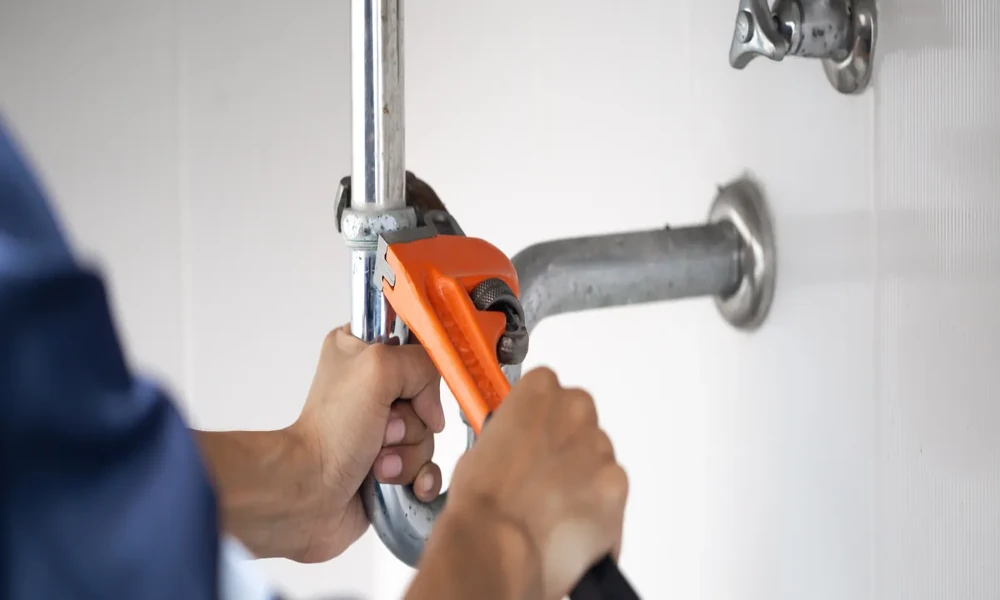
When one of those weak points finally gives out, a Pacoima plumber can save you a long weekend of guesswork. The team behind acrplumbers.com is licensed and insured, quotes for free, and covers everything from repiping and gas line repair to sewer camera inspection, with emergency help available around the clock. Their customer rating sits at 4.9 stars, and the work comes with a satisfaction guarantee.
Galvanized Pipe That Shrinks From the Inside
Before copper became the standard, many builders ran water supply lines in galvanized steel. The zinc coating protects the steel for a few decades. After that, rust and mineral buildup form on the inside walls of the pipe and slowly narrow the opening, much like a clogged artery.
Homeowners rarely notice the change at first because it happens over years. Some of the most common clues include:
- A shower that loses pressure when someone flushes a toilet or starts the washing machine
- Brown or orange water after the house has sat unused overnight or over a vacation
- Gray, threaded pipe visible near the water heater, under sinks, or where the main enters the house
- Small leaks that appear at joints, since threaded connections corrode first
Patching one section rarely solves the problem, because the rest of the system is aging at the same rate. Repiping with PEX or copper is usually the lasting fix. Many crews can complete a single story home in a few days by opening small access holes rather than tearing out whole walls.
Hard Water Wearing Down Fixtures and Heaters
Water delivered across much of the Valley carries a fair amount of calcium and magnesium. You see the evidence as white crust on faucet aerators and showerheads, spots on glassware, and a gritty ring in the toilet tank.
The bigger cost hides in the water heater. As tank water heats, those minerals settle to the bottom as sediment. That layer insulates the water from the burner, so the heater runs longer to do the same job. A popping or rumbling sound during heating is the classic sign. Draining and flushing the tank once a year helps a great deal, and tankless units need a periodic descaling flush for the same reason. Homes with persistent scale problems may also benefit from a softener or a whole house filtration system.
Clay Sewer Laterals and Thirsty Tree Roots
Older homes in the area often still drain through vitrified clay sewer pipe. Clay itself holds up well, but it was laid in short sections joined every few feet. Over decades, soil movement, earthquakes, and settling open small gaps at those joints. Tree roots find the moisture, slip inside, and grow into a mat that catches paper and grease.
The early warnings are easy to dismiss. A toilet gurgles when the bathtub drains. The lowest drain in the house backs up first. A cleanout cap in the yard shows standing water. In the City of Los Angeles, the lateral running from your house to the public main is generally the property owner’s responsibility, so a backup here is your repair bill.
A sewer camera inspection answers most questions in under an hour. It shows whether you are dealing with roots, a sag in the line where water pools, or a cracked section. Roots can be cut back and the line cleared with hydro jetting, while broken or collapsed sections usually call for spot repair or a full replacement. If you are buying an older home, a camera inspection before closing is money well spent.
The Water Heater Standing in the Garage
Most homes of this era keep the water heater in the garage or a small closet on the exterior wall. Earthquakes make that location worth a closer look. The 1994 Northridge earthquake shook the northeast Valley hard, and unsecured water heaters that tipped over broke both water and gas connections.
California law requires water heaters to be braced against seismic movement, typically with two metal straps anchored to the wall framing, one in the upper third of the tank and one in the lower third. Flexible gas and water connectors are another safeguard, since rigid pipe snaps more easily when the tank shifts.
It also helps to check the temperature and pressure relief valve. A valve that drips steadily may be failing or may be reacting to water pressure that is too high. Most tank heaters last somewhere around eight to twelve years, and hard water tends to push that toward the shorter end.
Gas Lines and the Valve That Shuts Them Off
Older gas piping in garages, attics, and crawl spaces deserves the same attention as water lines. Corroded black iron, unprotected flexible connectors from decades past, and do it yourself additions are all common findings during inspections.
The City of Los Angeles also requires an approved seismic gas shutoff valve or excess flow valve in certain situations, including when a property is sold and when a permitted remodel on a single family home reaches a set dollar value. You can read the requirement directly in Los Angeles Municipal Code Section 94.1217. A seismic valve senses strong shaking and closes off gas at the meter, which reduces fire risk after a major quake. If your home already has one, learn how to reset it, because the valve can trip during a moderate tremor and leave you without hot water until it is restored safely.
The smell of rotten eggs, a hissing sound near a gas appliance, or dead patches of grass along a buried gas line all mean you should leave the house and call the gas utility from outside.
Garage Conversions That Ask Too Much of Old Pipes
Accessory dwelling units and garage conversions have become very common across Los Angeles since state law made them easier to permit. They add a bathroom, a kitchen, and sometimes a laundry hookup to a property whose plumbing was sized for one family in one house.
That extra load shows up in several ways. A small water meter or undersized main line can leave both units with weak pressure when fixtures run at the same time. The original sewer lateral may need to handle twice the flow it was designed for, which makes any existing root intrusion or sag much more noticeable. Tying new drains into old clay or cast iron also takes careful planning so the connection does not become the next weak spot.
Getting Ahead of the Next Failure
None of these problems appear overnight, and that works in your favor. A house that has made it this far usually gives plenty of warning before a pipe bursts or a sewer line collapses. The trick is paying attention to small changes, such as a slower drain, a weaker shower, or a new sound from the water heater, and treating them as early notes rather than minor annoyances.
A sensible approach is to have the whole system looked over once, so you know what materials you have and how much life they have left. From there you can spread the bigger projects across a few years, starting with whatever poses the most risk. That might be a gas line, a failing lateral, or pipes that are already leaking at the joints. Older Valley homes were built to last, and with some steady attention their plumbing can keep up with them.
