

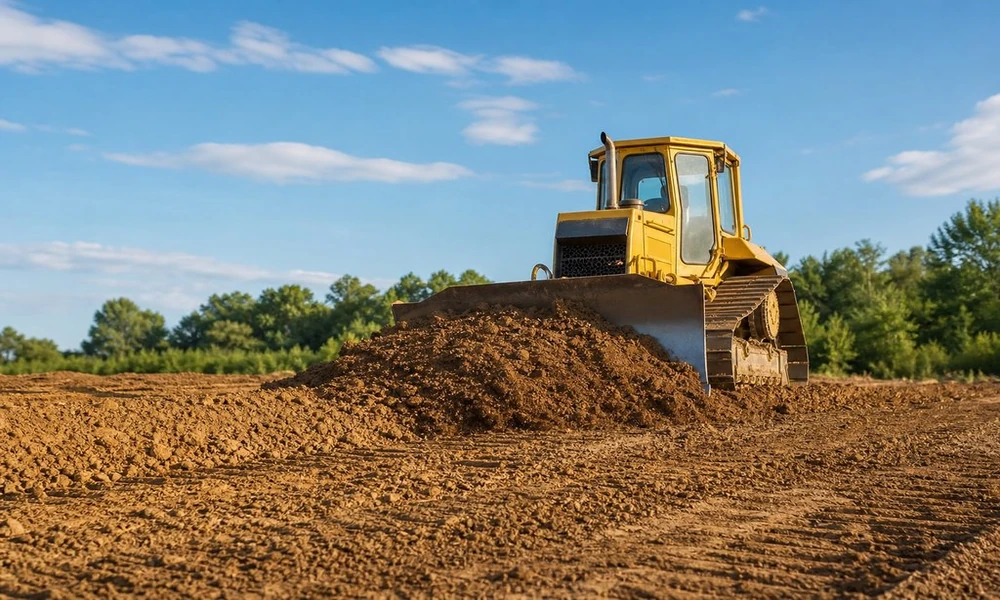
When the trench digger departs, the site may appear fine. Gravel is spread over the trench. Orange safety cones sit inside the cab of a truck. Vehicles can still get to the garage. Yet, within a month or two, the area around the mailbox forms a dip, standing water sits around the gate, or the tires make a hollow noise when driven over the patch.
In many cases, the trouble was created before paving occurred. Poorly prepared soil, poorly compacted backfill, and poor preparation work can result in a paved driveway that has no proper foundation.
Why a trench repair may settle
Trench work breaks up the earth that previously supported cars, delivery vans, and garbage trucks. When the trench is refilled after a septic tank fix or the installation of a new pipe, the soil and gravel may seem stable until the base begins to soften. Newly paved asphalt (https://www.britannica.com/technology) can seem like a good job when first installed.
Backfilling must occur in lifts. Backfilling with a large quantity of soil and stone and then driving over it may allow portions of the backfill to remain un-compacted. Soil and mud clinging to a shovel or oozing out from under a vibrating plate indicates that there might be excess moisture present and more time is needed to let the soil dry.
A paving crew will usually inspect the subgrade before pouring the new asphalt. If a truck leaves tracks in the gravel or if a shoe creates an indentation along the utility cut, the trench should not be paved yet.
Where problems tend to appear first
Problems usually don’t appear suddenly in the form of a large hole. Instead, it shows up as a crack along the existing trench or as a depression that collects water after rain. At the bottom of a driveway leading to a gated community, tires making constant turns by residents and service vehicles can quickly cause a weak seam to fail.
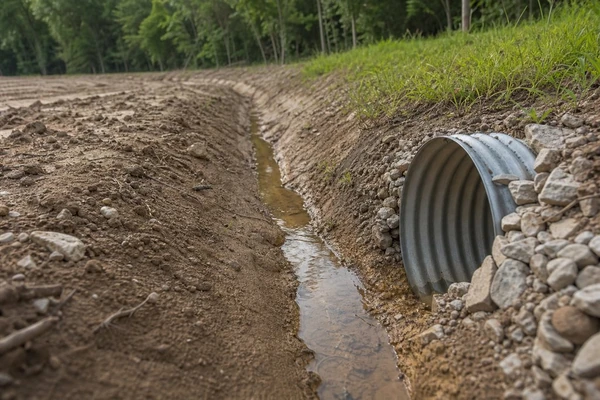
Watch these high-traffic areas closely:
- Driveway lane next to the mailbox
- Area around a gate where vehicles turn
- Driveway ends where larger vehicles stop
- Driveway apron where the asphalt joins an older section
- Driveway drains with a black ring after a rain
Gravel pushed against the curb, broken pieces of asphalt at the edge of the patch and standing water that doesn’t drain after nearby roads have all dried out can all signal that the soil beneath is moving.
Getting the ground ready for new asphalt
The excavation should be cleaned of loose debris and broken concrete and stone before paving occurs. Paving crews will usually cut back the existing asphalt to a clean edge rather than attempting to lay asphalt over a broken seam. A straight cut edge allows the new asphalt to form a better joint and prevents thin, weak edges – exactly where the practical expertise of Blacktop By Beede Paving makes the difference.
The soil and stone layer may require more aggregate and compaction, particularly if the trench crosses a sloping driveway. Water flowing down the slope toward the garage or to the entrance of a neighborhood can create puddles along the trench line. Spraying water with a hose can reveal whether water is pooling at the repair rather than draining away.
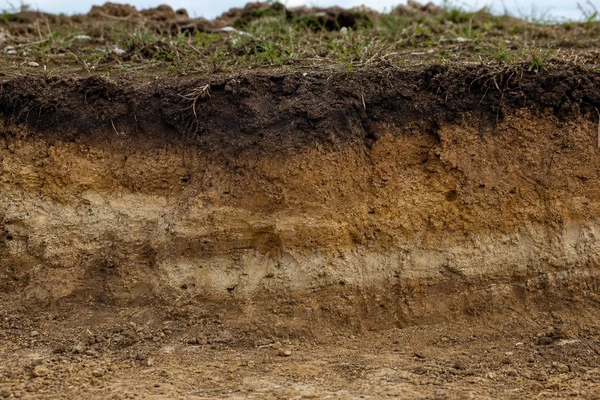
Re-establishing the pavement should include consideration for thickness. If the edge of the patch is too thin, it could break when heavy vehicles drive over it. The finished surface should blend in well with the existing pavement to prevent plows from catching on the surface.
For a repair that will support routine loads, ask if the base has been verified with compaction testing or simply visually assessed. A proof roll using a heavy vehicle can reveal soft areas not detected with a light plate compactor.
Identify the trench on a sketch of your property in case you need to work in the area again.
If the subgrade is sandy or wet, placing a geotextile separator below the aggregate can prevent the stone from being pushed into the subgrade below. In areas adjacent to drainage swales, for example, the subgrade can become soft and unstable from repeated moisture.
When traffic and timing affect the repair
Because the trench may occupy the entire length of the driveway, traffic control (see here) may be necessary to allow emergency responders to reach the house or to facilitate deliveries or for people entering and exiting after sunset. Check for irrigation heads, electrical wiring, decorative pavers, and drainage pipes before excavating.
The paving operation should be based upon the quality of the ground preparation, not just the availability of the paving crew. If the soil is wet after a rainstorm, waiting to pave will keep the area from sinking again.
After the new asphalt cools, check the driveway from the street to the garage and look at the seams where the paving meets the existing surface. Save photographs of the work site, utility markings, and any information about the backfill in a log of home maintenance.
