

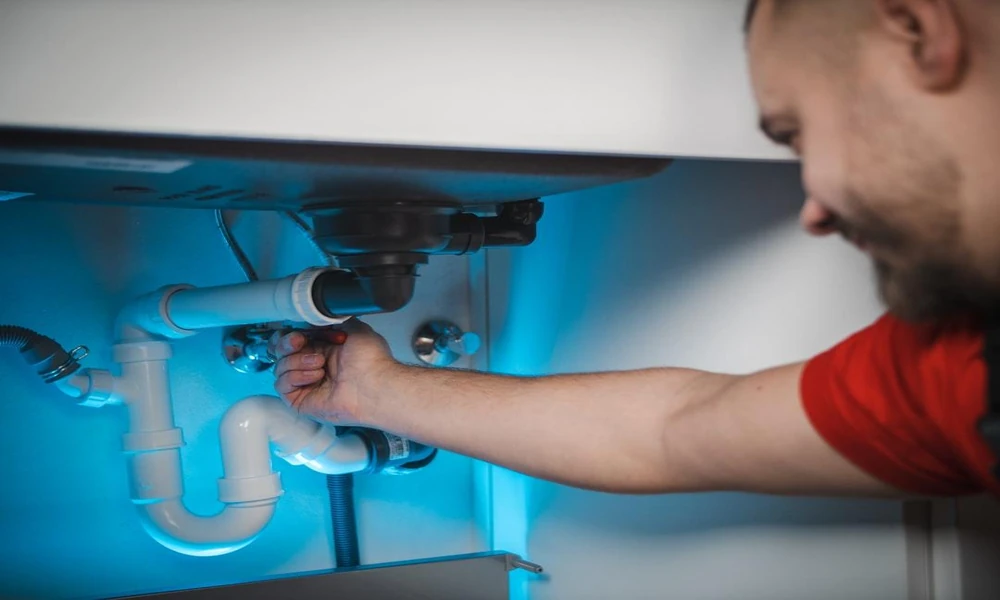
Understanding the Critical Nature of Emergency Plumbing
In the arid environment of Las Vegas, where our homes are fortresses against the intense summer heat, the integrity of our plumbing systems is paramount. While we meticulously plan for AC tune-ups to ensure uninterrupted comfort, the silent network of pipes, drains, and fixtures often goes unnoticed until a crisis erupts. Emergency plumbing services are not merely a convenience; they are a critical line of defense for maintaining the structural integrity, health, and safety of your home. A swift response to a plumbing emergency can mean the difference between a minor inconvenience and catastrophic damage that impacts water pressure, compromises structural elements, and even paves the way for mold proliferation.
The Risks of Delayed Action
When a plumbing emergency strikes, time is undeniably of the essence. Delaying action, even for a few hours, can escalate a manageable problem into a full-blown disaster. Consider the immediate and pervasive threat of flooding. A burst pipe or an overflowing fixture can rapidly inundate living spaces, saturating carpets, damaging hardwood floors, and compromising the stability of drywall. Beyond the visible destruction, water can seep into subflooring and behind walls, creating hidden reservoirs for mold and mildew to flourish, often leading to costly remediation down the line.
Moreover, water and electricity are a perilous combination. Flooding can create severe electrical hazards, including short circuits that can damage appliances, outlets, and even the home’s main electrical panel. This poses a significant risk of electrocution or fire, turning a plumbing issue into a life-threatening situation. In Las Vegas, where homes are often tightly sealed to maximize cooling efficiency, stagnant water can quickly degrade indoor air quality, promoting the growth of bacteria and other pathogens. If the emergency involves a sewer backup, the situation becomes even more dire, as it introduces “category 3 water”-highly contaminated liquid containing human waste and harmful bacteria-into your home, posing severe health risks to occupants. The dry climate of Las Vegas might seem to offer some protection against mold. However, in reality, any trapped moisture in poorly ventilated areas can still lead to significant issues, making rapid water extraction and drying crucial.
How Modern Detection Tools Help
Fortunately, advancements in plumbing technology have equipped professionals with sophisticated tools to diagnose and address emergencies with unprecedented speed and accuracy. Gone are the days of tearing open walls indiscriminately in search of a hidden leak. Modern leak detection techniques, such as acoustic sensors, can pinpoint the precise location of a leak by listening for the subtle sounds of escaping water, even behind solid concrete or deep within walls. These highly sensitive devices allow technicians to hear the distinct hiss or drip that indicates a problem, minimizing the need for invasive exploratory demolition.
Thermal imaging cameras, another invaluable tool, detect minute temperature differentials on surfaces. A hidden water leak, even if small, will often create a cooler spot on a wall or floor as the water evaporates or cools the surrounding material. By identifying these thermal anomalies, plumbers can significantly narrow the search area, enabling targeted repairs that preserve the integrity of your home’s finishes. Tracer gas detection involves introducing a harmless, non-toxic gas into the plumbing system. This gas, being lighter than air, will escape through even the smallest leak, and specialized detectors can then trace its path to the surface, revealing the exact location of the breach. These non-invasive methods not only save homeowners from extensive damage and repair costs but also ensure a quicker return to normalcy by reducing the time and labor required for leak identification.
Common Household Situations That Require Immediate Intervention
Certain plumbing issues go beyond mere inconvenience, requiring immediate professional attention to safeguard your property and well-being. Recognizing these critical situations is the first step in protecting your home.
When to Call for Emergency Plumbing Support
One of the most distressing and hazardous plumbing emergencies is a sewer backup. This occurs when wastewater from your drains has nowhere to go and begins to flow back into your home through toilets, sinks, or floor drains. Beyond the obvious unsanitary conditions and foul odors, sewer water carries a host of bacteria, viruses, and pathogens, posing severe health risks. It can quickly contaminate surfaces, furniture, and personal belongings, requiring extensive cleaning and disinfection.
Burst pipes represent another urgent crisis. Whether due to extreme pressure fluctuations, corrosion, or accidental damage, a burst pipe can release gallons of water per minute, causing rapid, widespread flooding. While Las Vegas doesn’t typically experience the deep freezes that cause pipes to burst in colder climates, factors like aging infrastructure, ground shifts, or even high water pressure can still lead to these sudden failures. Immediate and significant water loss can cause extensive damage to walls, flooring, and electrical systems.
A failing water heater might seem less urgent, but a catastrophic failure can lead to significant leaks or even a burst tank, flooding basements or utility closets. Beyond the immediate water damage, the sudden loss of hot water can disrupt daily routines, especially for families.
For comprehensive emergency plumbing services in the Las Vegas area, including those that address complex issues arising from various home systems, finding a reliable local provider is essential. For example, if you’re experiencing issues that might even indirectly relate to your HVAC system, such as a clogged condensate drain line causing water overflow, a trusted local team can provide expert assistance. You can learn more about handling such situations by exploring resources on Las Vegas emergency plumbing.
Other scenarios that warrant an immediate call to emergency services include:
- Overflowing Toilet: If a plunger can’t resolve the issue and the toilet continues to overflow, it indicates a deeper blockage that could lead to significant water damage and unsanitary conditions.
- Slab Leaks: These insidious leaks occur in the plumbing lines embedded within your home’s concrete foundation. They are often difficult to detect until significant damage has occurred, such as unexplained wet spots, the sound of running water when no fixtures are in use, or rising utility bills. Left unaddressed, slab leaks can undermine your home’s foundation, leading to structural instability.
- Gas Line Leaks: This is perhaps the most dangerous of all emergencies. A distinct rotten egg smell (added to natural gas for safety) is the primary indicator. Gas leaks pose an immediate risk of fire, explosion, and carbon monoxide poisoning. If you suspect a gas leak, evacuate your home immediately, call emergency services, and do not use any electrical appliances or switches.
- Main Shut-Off Valve Failure: In the event of a major leak or burst pipe, your main water shut-off valve is your first line of defense. If this critical valve is stuck, broken, or won’t shut off the water supply, you’re left with an uncontrolled flood, which can magnify the potential for damage.
In all these situations, the common thread is the potential for rapid, extensive damage or immediate danger. Waiting for regular business hours is not an option.
Temporary Steps to Take Before Help Arrives
While professional intervention is non-negotiable for true plumbing emergencies, homeowners can take several crucial temporary steps to mitigate damage and ensure safety before expert help arrives. These actions can significantly reduce the severity of the incident and make the repair process smoother.
- Shut Off the Main Water Valve: This is the single most important action you can take in a water-related emergency. Knowing the location of your main water shut-off valve before an emergency occurs is vital. It’s typically found where the main water line enters your home-often in a utility closet, basement, garage, or sometimes outside near your water meter. Once located, turn the valve clockwise until the water flow completely stops. This will halt the influx of water from the municipal supply, preventing further flooding.
- Open the Lowest Faucets: After shutting off the main water supply, open the faucets at the lowest points in your home. This helps to drain any remaining water from the pipes, reducing pressure within the system and minimizing residual leakage. For a multi-story home, this might mean opening a faucet in a basement or on the first floor.
- Clear the Area: Remove any valuable items, furniture, or electronics from the affected area to prevent them from being damaged by water. If safe to do so, use towels, buckets, or a wet/dry vacuum to begin removing standing water. This not only protects your belongings but also helps to prevent water from soaking deeper into structural components and reduces the likelihood of mold growth.
- Turn Off Electricity (if safe): If water is near electrical outlets, appliances, or the main electrical panel, it is imperative to turn off the power to the affected area at your home’s circuit breaker. This eliminates the risk of electrical shock or short circuits. Only do this if you can safely access the breaker panel without coming into contact with water.
- Document the Damage: Take photos or videos of the affected area and any damaged property. This documentation will be invaluable when filing an insurance claim later.
- Ventilate the Area: Open windows and use fans to help dry out the space if it is safe to do so. This can help reduce humidity and inhibit mold growth.
These immediate actions can buy precious time and significantly limit the extent of damage while you await the arrival of skilled emergency plumbers.
How Rapid Response Protects Your Home and Health
The speed with which a plumbing emergency is addressed directly correlates with the overall outcome for your home and its inhabitants. A rapid professional response doesn’t just fix the immediate problem; it initiates a chain of protective measures that safeguard your property’s long-term health and your family’s well-being.
The Long-Term Benefits of Professional Emergency Plumbing
Engaging professional emergency plumbing services offers far more than a quick fix. It provides a foundation for long-term protection and peace of mind.
- Preventative Maintenance Insights: Emergency plumbers are not just repair technicians; they are diagnostic experts. While addressing the immediate crisis, they can often identify underlying issues that contributed to the emergency. For example, a burst pipe might be a symptom of an aging plumbing system, excessive water pressure, or corrosion. A professional can provide insights and recommendations for preventative maintenance, helping you avoid future, more severe problems. This proactive approach ensures your home’s plumbing system remains robust and reliable.
- System Longevity: Timely and correct repairs performed by certified professionals extend the lifespan of your entire plumbing system. Using high-quality parts, adhering to industry standards, and ensuring proper installation ensures repairs are durable and seamlessly integrated into your existing infrastructure. This prevents recurring issues that can prematurely age components and lead to early system replacement.
- Insurance Documentation: After a significant plumbing emergency, navigating insurance claims can be complex. Professional emergency plumbers often provide detailed reports that include descriptions of the damage, the repair work performed, and any necessary recommendations. This comprehensive documentation is invaluable for substantiating your insurance claim, ensuring you receive appropriate coverage for repairs and restoration.
- Professional Grade Repairs: DIY attempts or amateur fixes, while seemingly cost-effective in the short term, often fall short of professional standards. Professional plumbers utilize specialized tools, have access to commercial-grade materials, and possess the expertise to execute permanent, code-compliant repairs. This ensures that the problem is not just patched but truly resolved, preventing future leaks or failures that could stem from substandard work.
Mitigating Secondary Damage to Property
The most insidious aspect of water damage is its ability to cause secondary damage-problems that arise not directly from the initial leak, but from the prolonged presence of moisture. A rapid response from emergency plumbers is crucial for mitigating these costly, often hidden consequences.
- Subfloor Warping: Water seeping beneath flooring can cause wooden subfloors to swell, warp, and eventually rot. This not only creates uneven surfaces but can also compromise the structural integrity of your home’s foundation, requiring extensive and expensive repairs to replace damaged sections.
- Ceiling Stains and Collapse: A leak from an upstairs bathroom or roof can lead to unsightly ceiling stains, which are often just the visible tip of a larger problem. Prolonged water exposure can weaken drywall and plaster, leading to sagging, cracking, and even partial ceiling collapse, posing a safety hazard and requiring significant cosmetic and structural repair.
- Electrical Short Circuits: As mentioned earlier, water and electricity are a dangerous mix. Even after the initial flooding is contained, residual moisture can cause delayed electrical short circuits, damaging wiring, outlets, and appliances, and potentially creating fire hazards. A professional can assess and ensure electrical safety in affected areas.
To illustrate the stark contrast, consider a conceptual comparison of the impacts of immediate versus delayed repair:
Aspect of Damage Immediate Professional Repair Delayed Repair (24+ hours) Water Damage Extent Localized, minimized spread Widespread, deep saturation into multiple materials Mold Growth Risk Very low, rapid drying prevents growth High, moisture trapped, ideal conditions for mold Structural Integrity Preserved, quick drying prevents material degradation Compromised, warping, rotting, weakening of structures Electrical Safety Assessed and secured quickly, prevents secondary hazards Increased risk of shorts, fire, electrocution Repair Cost Primarily direct plumbing repair, minimal restoration Significantly higher, includes extensive restoration Health Impact Minimal, quick cleanup of contaminants Elevated, exposure to mold, bacteria, allergens Insurance Claim Process Smoother, clear documentation, less dispute over damage extent More complex, potential for disputes over secondary damage This comparison highlights why every minute counts when a plumbing emergency threatens your home. The investment in fast, reliable emergency plumbing services is an investment in your home’s longevity, safety, and your family’s health.
Frequently Asked Questions About Emergency Plumbing
When facing a plumbing crisis, homeowners often have immediate questions about what constitutes an emergency, how to react, and what to expect from professional services. Addressing these common queries can empower you to make informed decisions under pressure.
What is considered a true plumbing emergency?
A true plumbing emergency is any situation that poses an immediate threat to your property, health, or safety, or renders essential home functions unusable. It’s more than just an inconvenience; it requires prompt professional attention to prevent significant damage or danger. Key indicators of a true emergency include:
- Uncontrolled Leaks or Flooding: This is perhaps the most obvious sign. If water is actively gushing or rapidly pooling, and you cannot stop it by turning off a local fixture valve, it’s an emergency. This includes burst pipes, major appliance leaks (like from a water heater or washing machine), or severe fixture overflows.
- Sewer Backups: Any instance in which sewage or wastewater backs up into your home through drains, toilets, or sinks is a serious health hazard. The contaminants in sewer water can spread disease and cause extensive, unsanitary damage.
- No Access to Water: While less common, a complete loss of water supply to your home can be an emergency, particularly if it’s due to a problem within your property’s plumbing system rather than a municipal outage. Lack of water can impact hygiene, sanitation, and even fire safety.
- Gas Line Leaks: As discussed, the smell of rotten eggs indicates a potential gas leak, which is an immediate fire and explosion risk. This is a life-threatening emergency that requires immediate evacuation and professional intervention.
- Safety Hazards: Any plumbing issue that creates an electrical hazard (water near wiring) or structural risk (water undermining a foundation) is an emergency.
If you’re ever in doubt, it’s always safer to err on the side of caution and contact an emergency plumber.
How can I locate my home’s main water shut-off valve?
Knowing the location of your main water shut-off valve is one of the most crucial pieces of information for any homeowner. It allows you to quickly stop water from entering your home during a plumbing emergency, minimizing damage. While locations can vary, here are the most common places to find it:
- Utility Closet or Basement: In many homes, especially older ones, the main shut-off valve is located in a utility closet, basement, or crawl space, often near the water heater or furnace. It will be on the pipe where the main water line enters the house.
- Garage: For homes without basements, particularly in warmer climates like Las Vegas, the valve may be in the garage, usually along a wall closest to the street or where the water line enters from outside.
- Outside Near the Street-Side Boundary: Sometimes, the main shut-off valve is located outside your home, often near the street or property line, usually in a recessed box with a removable cover. This might be closer to your water meter.
- Under the Sink or Near Appliances: These are local shut-off valves for individual fixtures (like a toilet or sink). Some homes may have a smaller main shut-off accessible under a kitchen sink or near a major appliance like a washing machine, though this is less common for the entire home’s supply.
The valve itself can be a gate valve (a round handle that you turn clockwise several times) or a ball valve (a lever handle that you turn 90 degrees). Practice turning it off and on once a year to ensure it’s not seized, but always remember to turn it clockwise to shut off the water.
Can I handle a major pipe burst with DIY solutions?
While a homeowner can take immediate temporary steps, such as shutting off the main water supply and clearing the area, attempting a DIY repair for a major pipe burst is strongly discouraged and can be dangerous.
- Temporary Clamps: You might find temporary pipe repair clamps or tape kits at a hardware store. These can offer a very short-term, stop-gap measure to slow a leak, but they are never a permanent solution. They are designed to buy you a little more time, not to replace professional repair.
- High-Pressure Risks: Home plumbing systems operate under significant water pressure. Improperly installed clamps or patches can fail catastrophically, potentially causing the pipe to burst again with even greater force, leading to more extensive damage and a risk of injury to you.
- Professional Tools and Expertise: Repairing a burst pipe often requires specialized tools, such as pipe cutters, soldering equipment, and PEX crimping tools, as well as knowledge of various pipe materials (copper, PEX, PVC). More importantly, it requires the expertise to correctly identify the cause of the burst, assess the extent of the damage, and perform a repair that meets local plumbing codes.
- Permanent Repairs: A professional plumber will not only fix the immediate breach but also ensure the repair is durable, leak-free, and seamlessly integrated into your existing system. They can also inspect surrounding pipes for signs of weakness or corrosion, preventing future bursts. Attempting a DIY fix on a major pipe burst can lead to recurring leaks, further water damage, and ultimately, higher repair costs when a professional eventually has to correct the initial amateur attempt. For your safety and the integrity of your home, always defer to licensed professionals for significant plumbing emergencies.
Conclusion
For homeowners in Las Vegas, where the demands on our home systems are uniquely intense, ensuring our comfort and safety requires a comprehensive approach. Just as a proactive AC tune-up is essential for Las Vegas homeowners to brave the summer heat, understanding the critical nature of fast, reliable emergency plumbing services is equally vital. We’ve explored how swift action in the face of a plumbing crisis can prevent devastating flooding, mitigate electrical hazards, and safeguard your home’s structural integrity and indoor air quality. From the immediate risks of delayed action to the long-term benefits of professional-grade repairs, the message is clear: when a plumbing emergency strikes, every second counts.
By recognizing common critical situations like sewer backups, burst pipes, or gas leaks, and knowing the crucial temporary steps to take before help arrives, you empower yourself to minimize damage and ensure safety. The peace of mind that comes from knowing you have access to expert, rapid-response plumbing services is invaluable. Don’t wait for a crisis to understand the importance of your plumbing system. Be proactive, know your main shut-off valve, and always be prepared to call on trusted professionals when the unexpected occurs. Your home, your health, and your wallet will thank you.
