

Cost-Effective and Honest HVAC Solutions for HomeownersIntroduction
Imagine a warm June day in Des Moines, IA, when suddenly your home’s air conditioner stops working. The silence is unsettling, and the temperature inside begins to climb. We understand this common and frustrating problem: AC Not Turning On What To Check First. Before panic sets in or you reach for the phone to call for service, many initial checks can be safely and effectively performed by homeowners. These simple steps can often pinpoint the issue, leading to more cost-effective AC troubleshooting and potentially saving you time and money. Our goal is to empower you with the knowledge to troubleshoot effectively.
In this guide, we will walk you through the most common reasons an AC unit might fail to turn on. We will explore simple, actionable steps you can take to diagnose the problem yourself. From checking your thermostat and power supply to inspecting air filters and drain lines, we cover the essential first checks. We will also help you recognize when it’s time to call a professional HVAC technician, ensuring your home stays cool and comfortable without unnecessary expenses.
What to Check First When Your AC Won’t Turn On
When your air conditioning unit refuses to start, it’s natural to feel concerned. However, many common issues are surprisingly simple to diagnose and resolve without immediate professional assistance. Our approach focuses on a systematic check of the most accessible and frequently problematic components. By following these steps, you can often identify the root cause of the problem, potentially saving yourself the expense and wait time of a service call. We recommend starting with the simplest checks and progressing to more involved steps. This methodical approach ensures that you don’t overlook a straightforward fix.
The first areas to investigate are your thermostat settings and the unit’s power supply. These are the “brains” and “lifeblood” of your AC system, and issues here are often the easiest to correct. Following that, we’ll guide you through checking your air filters and the condensate drain, as these can also trigger system shutdowns due to safety mechanisms. Patience and careful observation are your best tools during this process.
Troubleshooting Thermostat and Power Issues for Cost-Effective HVAC Performance
The thermostat is your primary interface with your AC system. Often, a non-starting AC is simply due to incorrect settings or a power interruption.
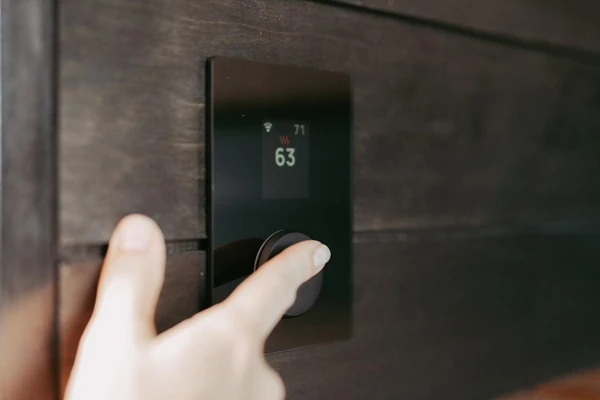
1. Thermostat Settings: It might seem obvious, but always begin by checking your thermostat. Ensure it’s set to “COOL” mode and that the desired temperature is at least 5 degrees lower than the current room temperature. If your thermostat has a “FAN” setting, make sure it’s on “AUTO” rather than “ON.” If the fan is set to “ON,” it might run continuously, giving the impression that the AC is working, even if the cooling cycle isn’t engaging. Accidentally switching to “HEAT” or “FAN ONLY” is a surprisingly common oversight.
2. Thermostat Batteries: If your digital thermostat display is blank, dim, or unresponsive, dead batteries are a likely culprit. Replace them with fresh ones, even if you’re unsure when they were last changed. A thermostat that isn’t powered correctly cannot send the signal to your AC unit to turn on.
3. Circuit Breaker: Your AC system typically has two circuit breakers: one for the indoor unit (furnace/air handler) and one for the outdoor unit (condenser). Locate your home’s electrical panel, usually in a basement, garage, or utility closet. Look for any breakers labeled “AC,” “Furnace,” “Air Handler,” or “Condenser” that are in the “OFF” position or halfway between “ON” and “OFF” (tripped). Carefully flip any tripped breaker completely to the “OFF” position, then firmly back to “ON.” If a breaker immediately trips again, do not repeatedly reset it; this indicates a more serious electrical issue that requires professional attention to prevent potential hazards like overheating or fire.
4. Disconnect Switch: The outdoor AC unit has a separate electrical disconnect switch, usually located in a small box mounted on the wall near the unit. This switch allows technicians to safely cut power to the outdoor unit during maintenance. Ensure this switch is in the “ON” position. Sometimes, it can be accidentally flipped off by children, landscapers, or during other outdoor activities.
5. Power Surge: Recent thunderstorms or power fluctuations can sometimes cause a power surge that trips breakers or affects sensitive AC components. While resetting the breaker often resolves this, repeated issues after a surge may indicate underlying damage to the system’s electrical components.
Managing Airflow and Clogged Condensate Lines
Beyond electrical and thermostat issues, problems with airflow or drainage can also prevent your AC from turning on or cause it to shut down prematurely.
1. Air Filter: A dirty or clogged air filter is one of the most common culprits behind AC problems, contributing to approximately 50% of all AC issues. A severely clogged filter restricts airflow, forcing your AC to work harder and potentially causing the evaporator coil to freeze. When this happens, safety sensors often shut down the entire system to prevent damage to the compressor. Inspect your air filter, typically located in the return air duct or within the indoor air handler. If it’s visibly dirty or hasn’t been changed in 30-60 days (or even monthly in homes with pets or allergies), replace it with a clean one. This simple step can often restore normal operation.
2. Airflow Restriction: Beyond the filter, ensure that all supply and return air vents inside your home are open and not blocked by furniture, curtains, or rugs. Restricted airflow can lead to similar issues as a dirty filter, including coil freezing and system shutdown.
3. Condensate Drain Line: As your AC cools your home, it removes humidity, creating condensation. This water collects in a drain pan and exits through a condensate drain line. Over time, algae and debris can clog this line, causing the pan to overflow. Many modern AC systems are equipped with a “float switch” in the drain pan. When the water level rises too high, this safety switch activates, shutting down the AC unit to prevent water damage to your home. Locate the indoor unit (often in a closet, attic, or basement) and check the drain pan for standing water. If it’s full, the line is likely clogged. You can often clear a minor clog by using a wet/dry vacuum to suction out the blockage from the outdoor end of the drain line. For persistent clogs, a mixture of vinegar and water poured down the line can help, but ensure the power to the unit is off first.
4. Safety Shutoff: Many AC issues, like a frozen coil or a clogged drain line, trigger safety mechanisms that intentionally shut down the system. These are designed to protect expensive components like the compressor from damage. When your AC won’t turn on, it’s often a sign that one of these protective measures has been activated. Addressing the underlying cause (e.g., changing the filter, clearing the drain) will allow the system to reset and resume normal operation.
Implementing Cost-Effective HVAC Maintenance Strategies
Proactive maintenance is the cornerstone of a reliable and efficient air conditioning system. By implementing a few simple, cost-effective strategies, homeowners can significantly reduce the likelihood of unexpected breakdowns and extend the lifespan of their AC unit. Think of it as preventative medicine for your home’s comfort system. These actions not only help your AC turn on when you need it most but also contribute to lower energy bills and improved indoor air quality.
1. Regular Filter Replacement: As mentioned, a dirty air filter can cause up to 50% of all AC problems. This simple component is vital for both system performance and the air you breathe. We recommend checking your air filter monthly, especially during peak cooling seasons. Depending on your filter type, household size, and presence of pets, replacement might be needed every 30 to 90 days. A clean filter ensures optimal airflow, prevents coil freezing, and reduces strain on the system, which can prevent it from overheating and shutting down.
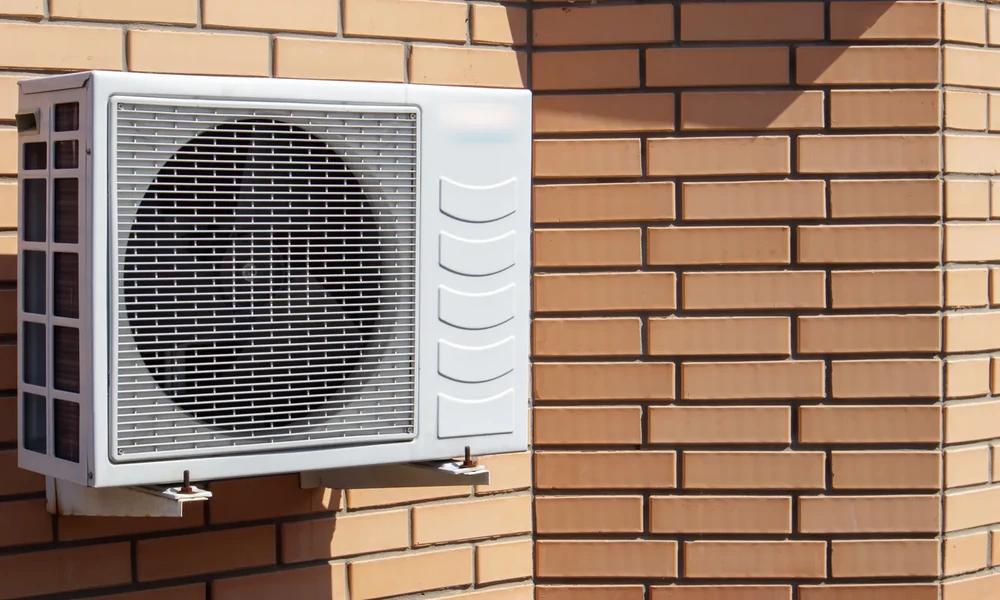
2. Coil Cleaning: Your AC system has two sets of coils: the evaporator coil inside and the condenser coil outside. The outdoor condenser coil can accumulate dirt, leaves, grass clippings, and other debris, especially during spring and summer. This buildup acts as an insulator, hindering the unit’s ability to dissipate heat. When the condenser coil is dirty, the unit works harder, leading to inefficiency and potential overheating, which can prevent it from starting or cause it to shut off. Periodically, with the power to the outdoor unit turned off at the disconnect switch, gently hose down the condenser coils from the inside out to remove accumulated grime. Ensure you maintain at least two feet of clearance around the outdoor unit to allow for proper airflow.
3. Outdoor Unit Clearance: Beyond cleaning the coils, maintaining adequate clearance around your outdoor condenser unit is crucial. Trim back any shrubs, trees, or tall grass that are within two feet of the unit on all sides, and ensure there’s at least five feet of clear space above it. This allows for unrestricted airflow, which is essential for the unit to operate efficiently and prevent overheating. Blocked airflow can lead to the unit struggling to cool, potentially causing it to fail to start or short-cycle.
4. Preventive Care and System Lifespan: Consistent preventive care, including these DIY steps and annual professional tune-ups, can significantly prolong your AC system’s lifespan. While a central AC unit typically lasts between 10 to 15 years, with excellent care, some can endure for up to 20 years. Regular maintenance ensures that minor issues are caught before they escalate into major, costly repairs. It also helps the system maintain its efficiency, which is particularly important as the unit ages. By investing a little time in maintenance, you’re investing in your home’s long-term comfort and avoiding unexpected breakdowns.
When to Transition from DIY to Professional Support
While many AC issues can be resolved with basic troubleshooting, there comes a point when it’s safer and more effective to call in a professional HVAC technician. Knowing when to stop DIY efforts is crucial, not only for the integrity of your system but also for your personal safety. Attempting repairs beyond your skill level, especially involving electrical components or refrigerants, can lead to dangerous situations, further damage to your unit, or even void your warranty.
If you’ve systematically worked through the initial checks-thermostat, circuit breakers, air filter, and condensate drain-and your AC still isn’t turning on, it’s a strong indicator that the problem lies deeper within the system. This is typically when components requiring specialized tools, diagnostic equipment, and expert knowledge come into play.
Identifying Complex Mechanical and Electrical FailuresSecuring Cost-Effective HVAC Repairs with Professional Help
When faced with complex issues, calling a professional HVAC technician is not just about getting the repair done; it’s about securing a cost-effective, safe, and reliable solution.
Frequently Asked Questions About Home Cooling
We understand that an AC not turning on can raise a lot of questions. Here are some of the most common inquiries we receive, along with our expert insights to help you better understand your home cooling system.
Why is my thermostat working but the AC is not turning on?
This is a common and often frustrating scenario. If your thermostat display is active, showing the correct settings (COOL mode, temperature set below ambient), and appears to be functioning normally, but the AC unit itself remains silent, the issue lies elsewhere in the system.
When your thermostat seems fine but the AC isn’t responding, it’s best to have a professional HVAC technician diagnose the exact cause. These issues typically require specialized tools and expertise to resolve safely and effectively.
Can a dirty air filter cause a total system shutdown?
Absolutely, yes. A dirty or clogged air filter is a seemingly minor issue that can cascade into a complete system shutdown.
This is why regular air filter replacement is one of the most crucial and cost-effective maintenance tasks you can perform. It prevents a host of problems, including total system shutdowns, and ensures your AC operates efficiently.
What should I check first when my outside AC unit won’t start?
If your indoor unit (air handler or furnace fan) appears to be running, but the outdoor condenser unit remains silent and still, it indicates that the call for cooling is being received indoors, but something is preventing the outdoor unit from engaging.
By checking these items, you can often quickly identify if the issue is a simple power interruption or if it points to a component failure within the outdoor unit that requires expert attention.
Conclusion
When your air conditioner isn’t turning on, it can quickly turn a comfortable home into an uncomfortable one. However, as we’ve explored, many common issues can be identified and often resolved with a few simple, systematic checks. From ensuring your thermostat has fresh batteries and correct settings, to resetting a tripped circuit breaker, or replacing a clogged air filter, these initial troubleshooting steps empower you as a homeowner to take control of the situation.
Proactive and preventive maintenance, such as regularly changing your air filter and keeping the outdoor unit clear, is the best defense against unexpected breakdowns. These practices not only contribute to the longevity and efficiency of your system but also help maintain a healthy indoor environment.
However, it’s equally important to recognize when a problem extends beyond basic DIY fixes. Issues involving complex electrical components like capacitors and contactors, refrigerant leaks, or major mechanical failures such as a malfunctioning compressor or blower motor, require the expertise and specialized tools of a professional HVAC technician. Attempting to tackle these advanced repairs yourself can be dangerous, lead to further damage, and potentially void your system’s warranty.
Our goal is to help you enjoy reliable cooling and optimal home comfort. By following these guidelines for initial diagnosis and understanding when to call in the experts, you can ensure your AC system operates efficiently and effectively, keeping your home cool and comfortable for years to come.
