

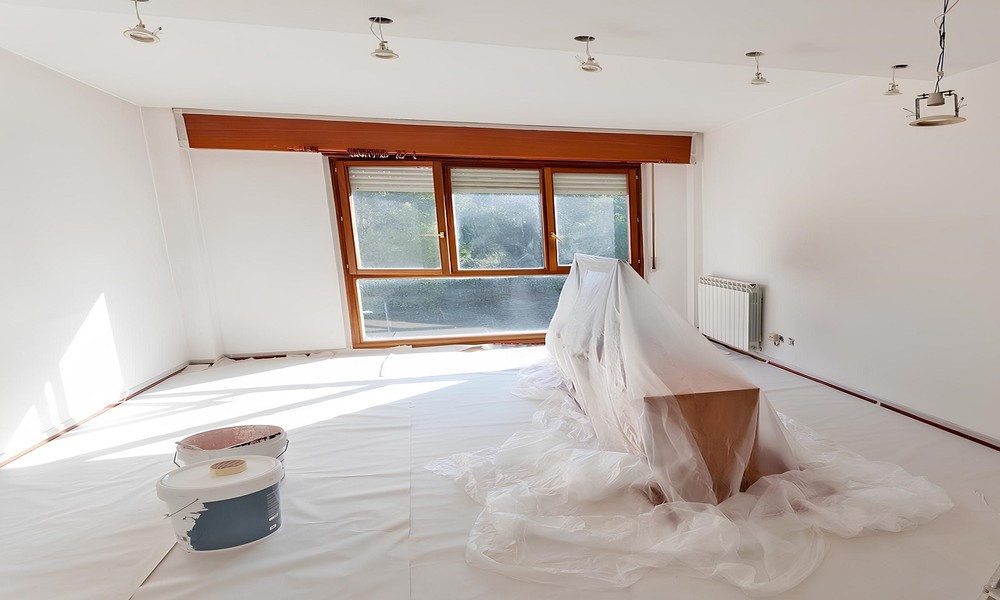
DIY home improvement projects can be rewarding, but they often come with a hidden risk: accidental damage to surfaces. Whether you’re painting walls, installing cabinets, or renovating a bathroom, dust, spills, and impacts can quickly ruin floors, countertops, and fixtures.
Temporary protection solutions offer a simple, cost-effective way to safeguard your home during these projects.
Why Temporary Protection Matters
Even small DIY tasks can create an unexpected mess. Paint splatters, falling tools, adhesive residue, and foot traffic can all cause damage. Without adequate protection, homeowners risk expensive repairs and extensive cleanup once the project is finished.
Temporary protection materials act as a barrier between your work area and vulnerable surfaces. They are designed to be easy to apply, durable during use, and removable without leaving residue or causing damage.
Common Surfaces That Need Protection
Before starting any project, it’s important to identify which areas require protection:
- Floors: Hardwood, tile, laminate, and carpet are all susceptible to scratches, stains, and impact damage.
- Countertops: Kitchen and bathroom surfaces can be damaged by tools, chemicals, and debris.
- Windows and glass: Easily scratched or stained by paint and dust.
- Doors and cabinets: Frequent contact during work increases the risk of scuffs and dents.
- Stairs and hallways: High-traffic zones that need extra durability.
Understanding these risk areas helps you choose the right protection materials.
Types of Temporary Protection Solutions
There are several effective options available, each suited to different applications:
1. Protective Films
Temporary surface protection films are widely used for smooth surfaces like glass, metal, and finished wood. They provide strong adhesion while allowing clean removal without any residue. These films are ideal for protecting windows, countertops, and appliances from scratches, paint, and dust.
2. Floor Protection Rolls
Heavy-duty floor protection materials-such as paperboard, plastic sheets, or non-woven fabrics-are designed to withstand foot traffic and dropped tools. Certain options are breathable, helping prevent moisture buildup-an essential feature for protecting hardwood floors.
3. Drop Cloths
Canvas or plastic drop cloths are a classic solution for painting projects. Canvas is durable and reusable, while plastic provides waterproof protection against spills.
4. Masking Tapes and Edge Protection
Masking tape is essential for protecting edges, trims, and fixtures. It ensures clean paint lines and prevents accidental marks. Specialized tapes can also secure protective films and floor coverings in place.
5. Corner and Edge Guards
Foam or rubber guards protect vulnerable edges on walls, furniture, and door frames from impact damage during material handling or installation work.
Choosing the Right Solution
Not all protection materials are created equal. When selecting products, consider the following factors:
- Surface compatibility: Ensure the material is safe for the surface you are protecting.
- Adhesive quality: It should stay firmly in place during application yet be easy to remove cleanly afterward.
- Durability: Choose materials that can withstand the level of activity in your project.
- Moisture resistance: Important for areas exposed to water or humidity.
- Ease of installation and removal: DIY projects benefit from quick and simple solutions.
Best Practices for Effective Protection
To maximize the effectiveness of temporary protection solutions:
- Clean surfaces before application to ensure proper adhesion.
- Cover all high-risk areas, not just the immediate workspace.
- Secure edges properly to prevent slipping or lifting.
- Inspect regularly and replace damaged materials as needed.
- Remove protection promptly after the project to avoid adhesive aging or residue.
Cost Savings and Peace of Mind
Investing in temporary protection materials can significantly reduce post-project cleaning time and repair costs. More importantly, it provides peace of mind, allowing you to focus on your DIY project without worrying about accidental damage.
