

Essential Home Services for Maintaining System Efficiency
A well-maintained home is comfortable and efficient. Beyond the immediate convenience, proactive maintenance of essential systems such as HVAC, electrical, and plumbing can significantly extend their lifespans, prevent costly emergencies, and ensure your living environment remains safe and healthy. For homeowners in Walnut Creek, understanding the unique demands placed on these systems by our local climate and infrastructure is key to informed decision-making. Regular inspections and timely interventions are not just about fixing problems; they are about optimizing performance and securing long-term reliability.
Optimizing HVAC and Electrical Home Services
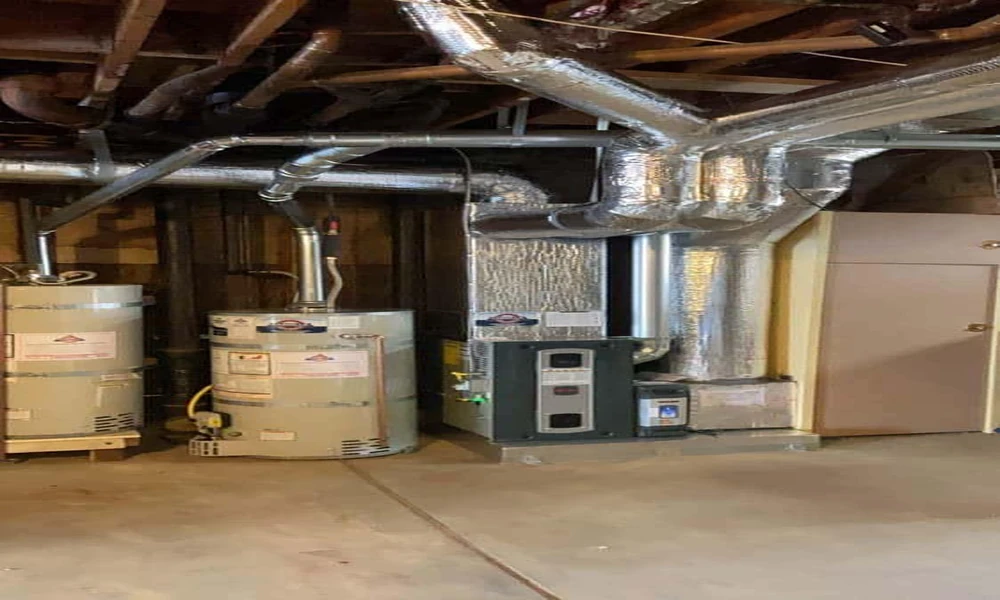
Walnut Creek experiences distinct seasons, from warm, dry summers to cooler, wet winters. This fluctuating climate places considerable demands on heating and cooling systems. Regular HVAC tune-ups are crucial for maintaining efficiency, preventing breakdowns, and ensuring comfortable indoor temperatures year-round. This includes checking refrigerant levels, cleaning coils, inspecting ductwork for leaks, and ensuring thermostats are calibrated correctly. Proper insulation also plays a vital role in reducing energy consumption, complementing the efforts of an efficient HVAC system.
Similarly, electrical systems require attention to ensure safety and functionality. Over time, wiring can degrade, and panels can become outdated, especially in older homes. Electrical safety inspections, panel upgrades, and ensuring proper grounding are essential services that prevent hazards and support the increasing electrical demands of modern households.
Plumbing and Water Heater Home Services
The plumbing infrastructure is the lifeblood of any home, delivering fresh water and removing waste. In Walnut Creek, local factors such as water quality and varying water pressure zones can affect plumbing systems. EBMUD’s soft water, for instance, generally reduces mineral buildup, which is a benefit, but it doesn’t eliminate the need for routine maintenance. Leak detection is a critical service, as even small, undetected leaks can lead to significant water waste, structural damage, and mold growth. Understanding the different pipe materials in your home-from older galvanized steel and cast iron to modern copper and PEX-helps predict their lifespan and potential vulnerabilities.
Water heaters, in particular, are central to daily comfort and require specialized attention. They are complex appliances that, when neglected, can lead to cold showers, higher utility bills, or even property damage. From routine flushing to diagnosing complex issues, professional water heater services are indispensable. For a deeper dive into local expertise and comprehensive solutions, you can find valuable insights from Cabrillo’s Walnut Creek plumbing resources.
Understanding Water Heater Performance and Lifespan in Walnut Creek
The type of water heater you choose, along with local conditions and maintenance habits, significantly influences its performance and longevity. In Walnut Creek, homeowners typically rely on traditional tank water heaters, tankless water heaters, or, increasingly, heat pump water heaters. Each offers distinct advantages and considerations.
Traditional Tank Water Heaters: These units store and heat a large volume of water, providing a readily available supply. In Walnut Creek, thanks to the soft EBMUD water, tank water heaters often exceed the national average lifespan, lasting 10-15 years compared to 8-12 years elsewhere. This is primarily because soft water reduces the internal mineral buildup that often shortens a tank’s life.
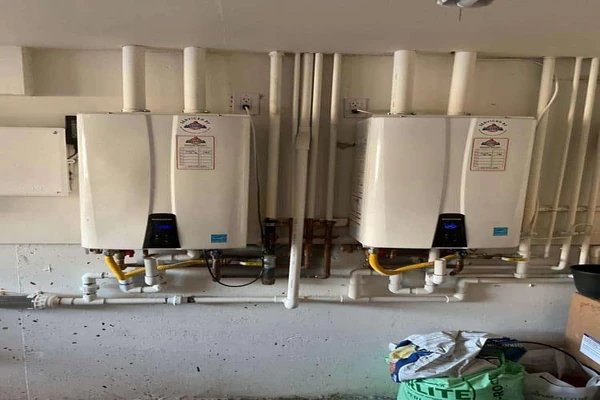
Tankless Water Heaters: Also known as on-demand water heaters, these units heat water only when needed, offering endless hot water and significant energy savings. With annual descaling maintenance, tankless water heaters in Walnut Creek regularly achieve an impressive lifespan of 15-20 years. Their compact size also makes them ideal for homes with limited space.
Heat Pump Water Heaters (Hybrid): These energy-efficient systems extract heat from the air to warm water, offering substantial energy savings. They are an excellent choice for environmentally conscious homeowners looking to reduce their carbon footprint and utility bills.
Here’s a quick comparison to help you understand the differences:
Feature Traditional Tank Water Heater Tankless Water Heater Hot Water Supply Limited by tank size; can run out Endless, on-demand hot water Energy Efficiency Heats water continuously, even when not in use Heats water only when needed, highly efficient Lifespan 10-15 years (Walnut Creek average) 15-20 years (Walnut Creek average with maintenance) Space Large, bulky unit; requires dedicated space Compact, wall-mounted unit; saves space Installation Generally simpler, lower initial cost More complex, higher initial cost (venting, gas line upgrades) Maintenance Annual flushing recommended; anode rod checks Annual descaling crucial for longevity Signs Your Water Heater Needs Professional Attention.
Recognizing the early warning signs of water heater trouble can save you from a complete system failure and potential water damage. If you notice any of the following, it’s time to call a professional:
- Inconsistent Temperature or No Hot Water: This is the most obvious sign. If your hot water runs out quickly, fluctuates wildly, or is completely absent, it indicates a problem with the heating elements, thermostat, or pilot light.
- Strange Noises: Rumbling, popping, or banging sounds often signal sediment buildup at the bottom of the tank. This sediment can reduce efficiency and damage the tank over time.
- Water Leaks: Puddles around the base of the water heater, dripping sounds, or visible corrosion on the tank or connections are serious indicators of a leak. Left unaddressed, leaks can lead to significant property damage.
- Discolored or Smelly Water: Rusty or cloudy water can mean corrosion inside the tank or pipes. A metallic smell indicates rust, while a rotten-egg smell often indicates bacterial growth.
- Pilot Light Issues: For gas water heaters, a pilot light that frequently goes out or is difficult to ignite can indicate a faulty thermocouple or gas control valve.
Ignoring these signs can lead to more extensive damage and a complete system breakdown. Prompt professional assessment is always the best course of action.
Navigating Local Plumbing Codes and Permit Requirements
Water heater installation and replacement in Walnut Creek are not just about connecting pipes and wires; they involve adherence to specific local and state regulations. The California Plumbing Code sets the baseline for all installations, but the City of Walnut Creek may have additional requirements to ensure safety and proper functionality.
Any significant work on a water heater, particularly a full replacement, typically requires a permit from the City of Walnut Creek. This ensures that the installation meets current safety standards, including proper venting for gas units, adequate seismic strapping to prevent tipping during an earthquake, and correct pressure relief valve installations. Skipping the permit process can lead to fines, difficulties with insurance claims, and potential safety hazards.
Local considerations are particularly important:
- Seismic Safety: Given California’s seismic activity, proper bracing and strapping of water heaters are mandatory to prevent them from falling and causing gas leaks or water damage during an earthquake.
- Pressure-Reducing Valves (PRVs): Homes in higher elevation areas or those experiencing high municipal water pressure (which can range from 30 to 130 PSI in Walnut Creek) may require a PRV. High pressure can accelerate wear and tear on water heaters and other plumbing fixtures.
- Tight Utility Closets: Many homes, especially older ones or units in communities like Rossmoor, have water heaters tucked into small, confined spaces. This requires careful planning for removal and installation to ensure proper clearances and ventilation.
- Owner vs. HOA Responsibility: In multi-unit communities like Rossmoor, residents must understand whether water heater maintenance and replacement fall under individual unit owner responsibility or the Homeowners Association (HOA). Generally, the plumbing inside the unit is the owner’s responsibility.
Working with licensed professionals who are intimately familiar with Walnut Creek’s specific codes and permit requirements is essential. They ensure that all work is performed safely, legally, and to the highest standards.
Frequently Asked Questions about Residential Systems
Homeowners often have many questions about their water heaters and general plumbing systems. Understanding these common concerns can help you make informed decisions about maintenance and repairs, ultimately contributing to your home’s comfort and efficiency.
How often should a water heater be flushed to prevent sediment?
For optimal performance and longevity, we recommend flushing your water heater annually. Even with Walnut Creek’s soft EBMUD water, some sediment can accumulate at the bottom of the tank over time. This buildup acts as an insulator, forcing the heating elements or burner to work harder, reducing efficiency and potentially leading to premature failure. Regular flushing removes this sediment, maintaining heating efficiency and extending the unit’s lifespan. Additionally, checking the anode rod every 2 to 3 years is a crucial part of preventive maintenance, as this “sacrificial” rod protects the tank from corrosion.
What factors affect the lifespan of a water heater in Walnut Creek?
Several factors influence how long your water heater will last in a Walnut Creek home:
- Water Quality: As mentioned, Walnut Creek’s soft EBMUD water is a significant advantage, reducing mineral scale buildup and contributing to a longer average lifespan (10-15 years for tank units, 15-20 years for tankless with maintenance).
- Maintenance Schedule: Consistent annual flushing and anode rod inspections are paramount. Neglecting maintenance is the quickest way to shorten a water heater’s life.
- Installation Quality: Proper installation, including correct sizing, venting, and connection to the home’s plumbing and electrical/gas systems, directly impacts longevity.
- Water Pressure: High water pressure, if not managed with a pressure-reducing valve, can put undue stress on the tank and connections, leading to leaks and accelerated wear.
- Usage: High demand for hot water can put more strain on the unit, potentially shortening its life.
- Age of Home and Plumbing: Older homes, particularly in areas like Rossmoor, may have plumbing systems (e.g., 40-60-year-old galvanized pipes) that can affect the water heater’s environment and efficiency.
When should a homeowner choose repair over replacement?
Deciding whether to repair or replace a water heater is a common dilemma. We generally recommend considering repair under these circumstances:
- Unit Age: If your water heater is relatively new, typically under 8-10 years old, and the tank itself is structurally sound (no leaks or significant corrosion), a repair is often the most cost-effective solution.
- Isolated Component Failure: When the problem is clearly an easily replaceable part, such as a faulty thermostat, heating element, thermocouple, or pilot assembly, repair is usually straightforward.
- Warranty Coverage: If the unit or the specific faulty component is still under warranty, repair is definitely the preferred option.
However, replacement becomes the more sensible choice when:
- Unit Age: Your water heater is over 10-12 years old, especially if it’s a traditional tank unit. Older units are more prone to frequent breakdowns.
- Tank Leaks or Corrosion: A leaking tank is almost always a sign that the unit needs to be replaced, as internal corrosion is usually irreversible.
- Frequent Repairs: If you’re calling for repairs every few months, the cumulative cost and inconvenience often outweigh the benefit of keeping an aging unit.
- Energy Efficiency: Newer models, particularly tankless or heat pump water heaters, offer significant energy savings that can justify the upfront cost of replacement, especially if your current unit is inefficient.
A professional assessment can help you weigh the costs and benefits, taking into account the unit’s condition, age, and your long-term goals for efficiency and reliability.
Conclusion
Maintaining a comfortable and efficient home in Walnut Creek requires a proactive approach to your essential systems, especially your water heater. From understanding the benefits of soft EBMUD water to navigating local plumbing codes, informed decisions can significantly impact your home’s functionality and your peace of mind. By recognizing the signs of trouble, adhering to regular maintenance schedules, and knowing when to call in local experts, you ensure your water heater operates reliably for years to come. Investing in professional services not only resolves immediate issues but also contributes to the long-term health and efficiency of your entire home, allowing you to enjoy the modern living you deserve.
