

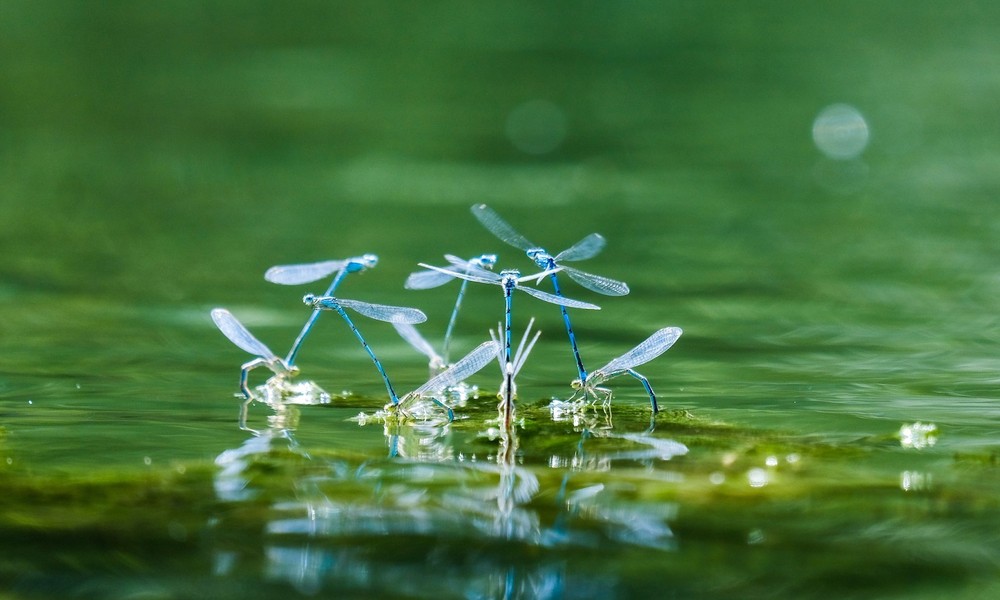
While backyard ponds add charm and tranquility to homes in Tinton Falls, they can also become ideal mosquito breeding grounds during the warmer months in New Jersey. Adding a water feature to your backyard should mean peaceful evenings in the fresh air, but if you find yourself constantly scratching instead, the problem extends beyond the pond. It is the ecosystem.
The presence of stagnant water in ornamental features, clogged pond filters, and dense shoreline vegetation all set the stage for mosquitoes, making outdoor time a battle from May through September. The same warm, shallow water, rich in nutrients that benefit your fish and plants, also provides the ideal environment for mosquito larvae.
Getting the problem under control is more than a one-off treatment; a pest control expert from Alliance Pest Services can assess your pond setup and identify potential breeding grounds you may not be aware of.
Why Backyard Ponds in Tinton Falls Turn Into Mosquito Nurseries
Mosquitoes breed in standing water, and backyard ponds provide all they need. Mosquitoes reproduce in water, where females lay eggs on or near the surface, and larvae develop before emerging as adults.
The Mosquito Control Division of Monmouth County, New Jersey, lists 63 mosquito species here and notes that many, particularly those that breed in ornamental ponds, prefer this type of standing or slow-moving water. The warm, humid summers, with highs averaging in the 80s and frequent rainfall, in Tinton Falls sustain large populations, which result in long breeding seasons. Without circulation, filtration, or natural predators, ponds are merely breeding grounds for mosquitoes.
Even well-maintained ponds have trouble spots – waterfall spillways that don’t fully drain, decorative containers that collect rainwater, and saucers near the edge of the pond.
The Overlooked Breeding Zones Around the Pond (Not Just the Water Surface)
While many homeowners focus on the pond basin itself, mosquitoes use the outer edges that retain water.
Water collected in the saucer of a potted plant (several plants near the edge of the pond are literally potted in water) is prime mosquito territory-a bottle capful is enough water for mosquitoes to lay eggs in.
Sheds or gazebos near your pond with clogged gutters can create stagnant pools after rainstorms. Where water meets soil in the shallow edges of ponds, especially where dense vegetation prevents water movement, protected nurseries form.
Additional problem zones include:
- Pump housing and filter box with water accumulation, but no drainage between them
- Landscaping with birdbaths and ornamental fountains near the pond
- Rainwater collected in wheelbarrows, empty planters, and tools around the pond
- Accumulation of litter and organic debris in the corners of ponds where circulation is slow
- Wrinkles or folds in pond liners can create small areas with nowhere to go but water
Rutgers University says that thousands of mosquitoes can develop from a few small containers that hold water for as little as seven days.
Seek Targeted Inspection!
There are unique conditions at every pond site, and mosquito problems around backyard ponds require site-specific assessment. Alliance Pest Services inspects residential properties in Tinton Falls for every known breeding site, not just the most obvious ones. They test pond circulation systems, look for stagnant water in decorative elements, and inspect vegetation and drainage patterns around the water feature. They provide structural recommendations, biological control options, and landscape-specific monitoring.
Instead of blanket treatments, they target specific mosquito breeding grounds on your property. This focused approach eliminates the cause of mosquito pressure and offers effective relief all season long, something you can enjoy in the outdoor space you created. So, do not wait until the problem gets out of your hands. Make your backyard in Tinton Falls mosquito-free by speaking to a professional and erasing them permanently today!
