
 James Haas
Step-by-Step Guide to Light Wood Cabinets with White Countertops
Step 1: Selecting the Perfect Light Wood for Your Cabinets
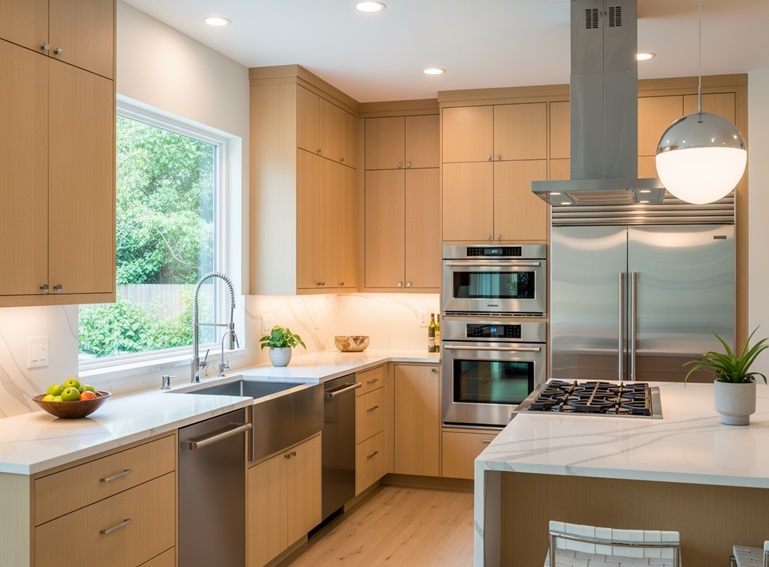
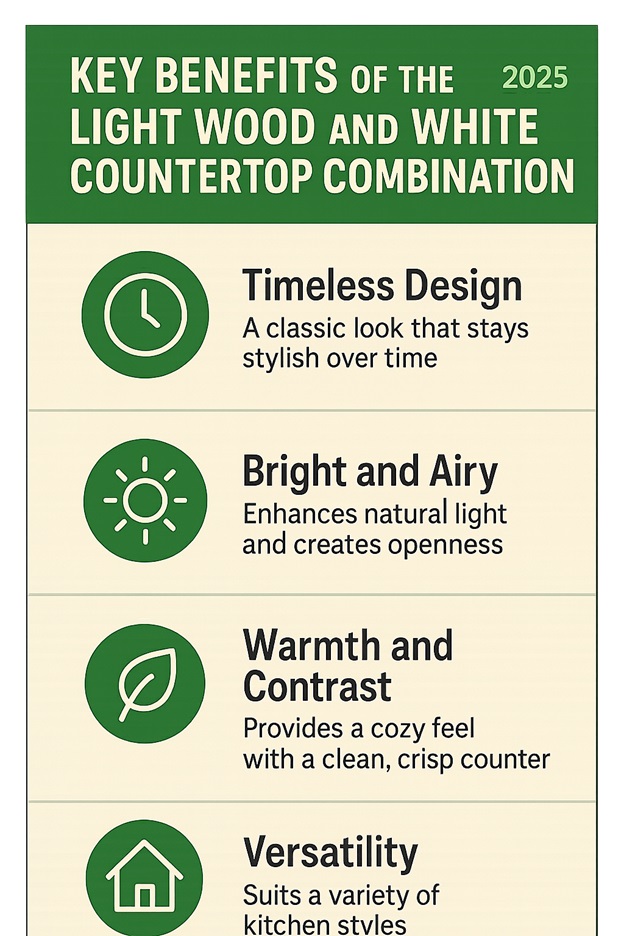
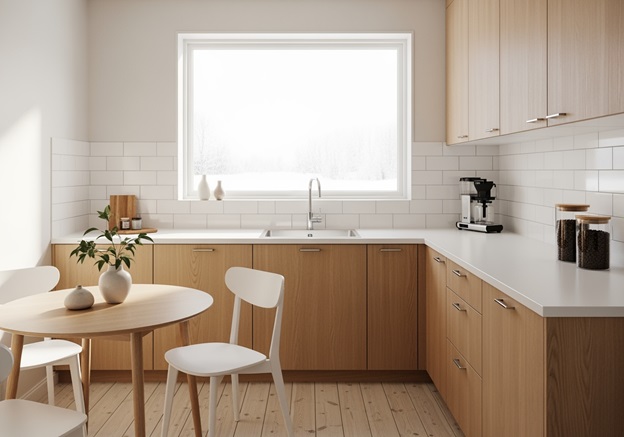
Dreaming of a kitchen that feels bright, warm, and endlessly stylish? We understand that desire. The quest for the perfect kitchen design often leads to a classic, yet ever-popular combination: light wood cabinets paired with crisp white countertops.
This duo isn’t just a passing trend; it’s a timeless design staple. It brings a natural warmth to your home while keeping the space feeling open and airy. This combination offers incredible versatility, fitting seamlessly into many different home styles. White countertops, for instance, are consistently recommended by kitchen designers for their ability to bring modernity and warmth to a home. The pairing of wood cabinets with white countertops creates a timeless and stylish kitchen, with white offering a clean, bright contrast that highlights the wood’s natural beauty.
In this extensive guide, we will explore why this pairing is so beloved. We’ll walk you through everything you need to know. From selecting the right wood and countertop materials to harmonizing all your design elements, we’ll help you create your dream kitchen.
Get ready to find the enduring appeal of a bright and natural kitchen.
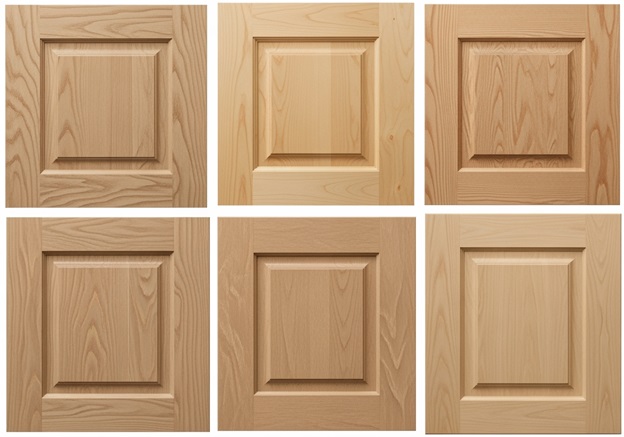
The foundation of your kitchen’s aesthetic lies in the type of light wood you choose for your cabinets. Each wood species offers unique characteristics in terms of grain, color undertones, and durability, all of which will influence the overall feel of your kitchen when paired with white countertops. This decision is crucial for answering “What specific types of light wood are best suited for kitchen cabinets when paired with white countertops?”
Let’s explore some popular choices:
- White Oak: This is a highly sought-after option for light wood cabinets, particularly rift-sawn or quarter-sawn white oak. These cuts produce a very straight, linear grain pattern, which contributes to a clean, modern aesthetic. White oak is known for its durability and subtle, natural variations, often featuring gray or beige undertones that pair beautifully with cool or neutral white countertops. It offers an earthy textural experience without being overly busy, promoting a sense of serenity.
- Maple: Maple is another excellent choice for light cabinets due to its fine, uniform grain and smooth texture. It’s naturally light in color, ranging from creamy white to light reddish-brown. Maple is highly durable and takes stains well, allowing for a consistent finish. However, it’s worth noting that maple tends to warm up faster with age than alder or oak, developing a honeyed tone over time.
- Birch: Birch cabinets are versatile and stylish, offering a light, often creamy color with a subtle grain pattern. It’s a strong wood that can be stained to mimic more expensive woods, but in its natural light state, it contributes to a bright and airy feel. Birch is a good option for those seeking a fresh, clean look without prominent graining.
- Alder: Alder is a softer hardwood with a relatively uniform texture and a light, honey-like color. It’s often chosen for its ability to take stains exceptionally well, allowing for a wide range of light finishes, from natural to slightly warmer tones. Alder is a good choice for achieving a cozy, inviting atmosphere.
Beyond the wood species, the cabinet style plays a significant role.
- Shaker-style cabinets are a timeless choice, offering clean lines and a classic, versatile look that can adapt to various design aesthetics, from farmhouse to transitional.
- Flat-panel (or slab) cabinets provide a sleek, minimalist appearance, ideal for contemporary and modern kitchens. They emphasize the natural beauty of the wood grain without interruption.
Finally, consider the wood grain pattern (Q10).
- Rift-cut and quarter-sawn woods (common with white oak) offer a straightforward, linear grain, creating a subtle texture that’s visually appealing without being too busy. This is excellent for a serene, organic modern look.
- Plain-sawn wood, on the other hand, exhibits a more prominent, cathedral-like grain pattern. This can add a rustic or traditional charm, highlighting the natural character of the wood. The choice between subtle or prominent grain depends on the desired aesthetic and how much visual texture you want to introduce to the space.
Step 2: Choosing a Complementary White Countertop
Once you’ve selected your light wood cabinets, the next crucial step is choosing the perfect white countertop. This pairing is central to the kitchen’s appeal, offering a clean, bright contrast that highlights the wood’s natural beauty. To answer “What are the best materials for white countertops that complement light wood cabinets?”, we’ll explore the most popular and suitable options.
Durable Materials for White Countertops:
- Engineered Quartz: This is by far the most popular choice for white countertops. Quartz is an engineered stone made from crushed quartz minerals mixed with resins, polymers, and pigments.
- Benefits: It’s incredibly durable, non-porous (making it highly stain and scratch-resistant), and requires minimal maintenance. Quartz offers consistent patterns and colors, allowing you to achieve a specific aesthetic, from pure white to subtle veining that mimics natural stone without the upkeep. Many white quartz designs can offer the neat look of marble without its high maintenance. Matte finishes in quartz can also provide a crisp contrast to textured wood.
- Considerations: Can be more expensive than some other options; very high heat can cause damage.
- Marble: For a luxurious and classic look, natural marble is unparalleled.
- Benefits: Each slab is unique, featuring distinctive veining that adds character and sophistication. It offers a timeless elegance that complements light wood beautifully.
- Considerations: Marble is porous and softer than quartz, making it susceptible to etching from acids (like lemon juice) and staining. It requires regular sealing and careful maintenance.
- Solid Surface (e.g., Corian): This material is composed of acrylic or polyester resins and natural minerals.
- Benefits: It offers a seamless appearance, as seams can be virtually invisible. Solid surface is non-porous, resistant to stains, and any scratches or damage can often be buffed out. It’s also warm to the touch.
- Considerations: Less heat resistant than quartz or granite; can scratch more easily than harder materials.
- Porcelain (e.g., Dekton, Laminam): These are ultra-compact surfaces made from a blend of raw materials fired at extremely high temperatures.
- Benefits: Porcelain is highly durable, resistant to heat, UV rays, scratches, and stains. It’s non-porous and comes in large slab formats, allowing for seamless installations and waterfall edges. It can mimic the look of natural stone or concrete.
- Considerations: Can be brittle if not installed correctly; very hard, so dropping items can cause breakage.
- Granite: While often seen in darker tones, some granite varieties come in very light or white shades.
- Benefits: Natural stone, highly durable, resistant to scratches and heat. Each slab is unique.
- Considerations: Requires periodic sealing (though less often than marble); can have natural fissures.
Maintenance Considerations: When selecting your white countertop, think about your lifestyle. If you’re a busy cook or have a busy family kitchen, a low-maintenance option like quartz or porcelain might be ideal. If you’re willing to commit to the care, the unparalleled beauty of marble might be worth it.
Choosing White Undertones: Just like wood, white countertops come with various undertones.
- Cool whites (with blue or gray undertones) pair well with light woods that also have cooler or neutral undertones (like some white oaks or birches).
- Warm whites (with yellow or cream undertones) complement light woods with warmer hues (like maple or alder).
The goal is not necessarily to perfectly match, but to ensure they harmonize. The depth and movement of white quartz countertops, for instance, complement the tone and texture of wood cabinets, while the white hues brighten and visually expand the space. For expert guidance on achieving a cohesive kitchen design that perfectly marries your chosen materials, we recommend consulting with professionals who specialize in kitchen and bath changes. They can help you visualize how different countertop samples interact with your light wood cabinets under various lighting conditions.
Step 3: Harmonizing Design Elements for a Cohesive Look
Once your light wood cabinets and white countertops are in place, the next step is to weave in complementary design elements. This is where the kitchen truly comes alive, creating a unified aesthetic that reflects your personal style. We’ll address “What design elements (e.g., hardware, backsplash, flooring) work well with light wood cabinets and white countertops?” by exploring these crucial components.
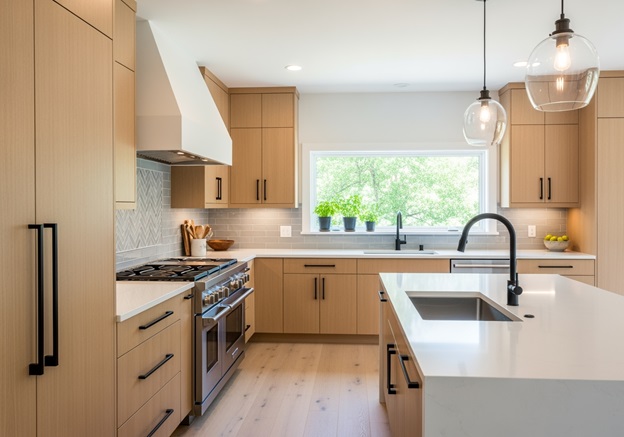
Backsplash Pairings for light wood kitchen cabinets with white countertops
The backsplash is a key visual component, bridging the gap between your cabinets and countertops. Its material, color, and pattern can significantly impact the kitchen’s overall feel.
- Classic Subway Tile: A timeless choice, white subway tile offers a clean, crisp backdrop that improves the brightness of the white countertops and contrasts beautifully with the warmth of light wood. It’s versatile enough for modern, traditional, or farmhouse styles.
- Full-Height Stone Slab: For a luxurious and seamless look, extending your white countertop material (quartz, marble, or porcelain) up the wall as a full-height backsplash creates an neat, uninterrupted flow. This is particularly striking in minimalist or contemporary designs.
- Patterned Ceramic Tile: If you want to introduce a subtle pattern or a touch of color, ceramic tiles with a delicate geometric or organic design can add visual interest without overwhelming the space. Choose patterns with neutral tones (grays, beiges) to maintain harmony.
- Glass Sheet: A single sheet of tempered glass can provide a sleek, modern, and easy-to-clean backsplash. It can be clear, frosted, or back-painted in a solid color to match or complement your white countertops.
Avoiding Busy Patterns: While patterns can be appealing, it’s generally best to avoid overly busy or high-contrast patterns for the backsplash when pairing with light wood and white. The natural beauty of the wood and the clean expanse of the white countertop are often the stars of the show, and a chaotic backsplash can detract from their appeal.
Hardware Finishes that Lift Your Design
Hardware acts as the jewelry of your kitchen, providing functional accents that can dramatically alter the overall look.
- Matte Black for Contrast: Matte black hardware creates a striking, modern contrast against light wood cabinets and white countertops. It adds an edgy, sophisticated touch and grounds the lighter elements. This is a popular choice for contemporary, industrial, and even some farmhouse styles.
- Brushed Brass for Warmth: Brushed brass or champagne bronze hardware introduces a touch of warmth and elegance. The golden undertones complement the natural hues of light wood, creating a sophisticated and inviting atmosphere. This works beautifully in transitional, traditional, and mid-century modern kitchens.
- Polished Nickel for a Classic Look: Polished nickel offers a subtle, refined shine that’s classic and timeless. It provides a cool, understated elegance that blends seamlessly without competing for attention. This finish is excellent for traditional, transitional, and even some modern designs seeking a softer metallic touch.
- Handle Styles:Pulls offer a more substantial look and are easier to grip, often preferred for drawers and larger cabinet doors.
- Knobs provide a more delicate and traditional aesthetic, typically used on smaller cabinet doors.
- Mixing pulls and knobs can add visual interest, but ensure consistency in finish and general style.
Flooring Choices to Ground the Space
The flooring choice ties the entire kitchen together, providing a foundation for your design.
- Matching Wood Floors: Extending light hardwood flooring into the kitchen creates a seamless, cohesive look, enhancing the warmth and natural feel. This can make the space feel larger and more unified, offering an old-world charm and warmth.
- Contrasting Tile: For visual interest and durability, consider contrasting tile options. Large format porcelain or ceramic tiles in gray, charcoal, or even a subtle pattern can provide a strong visual anchor against the light cabinets and countertops. This also offers excellent water resistance and durability.
- Polished Concrete: For a truly modern or industrial aesthetic, polished concrete floors offer a sleek, minimalist, and highly durable surface. Their cool, understated tone provides a striking contrast to the warmth of light wood.
- Durability and Visual Flow: Regardless of material, consider the durability and maintenance needs of your flooring. Ensure the color and texture of the flooring contribute to the visual flow of the kitchen, rather than disrupting it.
Adapting the Light Wood and White Countertop Look for Any Kitchen Style
One of the most compelling aspects of pairing light wood cabinets with white countertops is its incredible versatility. This combination isn’t confined to a single aesthetic; it can be adapted to almost any design style, from the ultra-modern to the charmingly rustic. It also works beautifully across different kitchen sizes and layouts, proving that light wood cabinets paired with white countertops are perfect for brightening small spaces, making them feel more spacious.
Popular Design Styles for light wood kitchen cabinets with white countertops
This combination serves as a neutral yet warm foundation, allowing other design elements to define the specific style.
- Scandinavian Design: This style is perhaps the most natural fit. Light wood (especially birch or light maple) combined with crisp white countertops, minimalist hardware, and clean lines perfectly embodies the Scandinavian principles of functionality, simplicity, and natural light. Think warm wood tones, white walls, and uncluttered surfaces.
- Modern Minimalism: For a sleek, uncluttered look, flat-panel light wood cabinets with seamless white quartz or solid surface countertops create a serene and sophisticated space. The focus here is on clean lines, open space, and a lack of ornamentation, allowing the materials to speak for themselves.
- Cozy Farmhouse: While often associated with white cabinets, light wood can bring a unique warmth to farmhouse kitchens. Pair light knotty wood cabinets (like pine or alder) with a farmhouse sink, white quartz countertops, and rustic accents like open shelving or vintage hardware. The contrast between the natural wood and clean white creates an inviting, lived-in feel.
- Coastal Aesthetic: Light wood cabinets evoke the natural elements of the beach, while white countertops reflect the brightness of sand and sea. This combination, paired with light blue or green accents, natural textures (like rattan or linen), and plenty of natural light, creates an airy, relaxed, and refreshing coastal vibe.
- Mid-Century Modern: This style celebrates organic shapes, functional design, and a blend of natural and manufactured materials. Light wood cabinets (often walnut or teak, but lighter woods can be adapted) with simple white countertops, alongside iconic furniture pieces and pops of color, create a retro yet timeless appeal.
Tips for Small and Large Kitchens
The beauty of light wood and white is its ability to adapt to scale, enhancing the perception of space in smaller areas and providing a sophisticated canvas for larger ones.
- Small Kitchens: In compact spaces, this combination is a powerhouse for creating an illusion of spaciousness and brightness.
- Vertical Storage: Maximize every inch by extending cabinets to the ceiling.
- Open Shelving: Incorporate light wood open shelves to reduce visual bulk and create an airy feel, perfect for displaying curated items.
- Reflective Surfaces: The white countertops naturally reflect light, making the room feel larger and more open. Consider high-gloss finishes on cabinets or backsplashes for even more light reflection.
- Seamless Flow: Use light wood cabinets with a natural finish paired with matching wood floors to create a seamless look that extends the visual space.
- Light wood cabinets and white countertops improve openness and serenity in a kitchen, which is particularly beneficial in smaller layouts.
- Large Kitchens: In expansive kitchens, this pairing provides a versatile backdrop for more dramatic design choices.
- Statement Islands: A large island with light wood cabinetry and a thick white countertop can become a stunning focal point. Consider a waterfall edge for added drama.
- Two-Tone Cabinets: While the primary focus is light wood, larger kitchens can experiment with two-tone cabinetry. For instance, light wood lower cabinets paired with a contrasting color (like deep green or navy) on upper cabinets or a different section of the kitchen can add depth and visual interest without overwhelming the space.
- Walk-in Pantry Integration: If space allows, integrate light wood cabinetry into a walk-in pantry, maintaining design continuity and luxurious storage.
- Zoning: Use the combination to create distinct zones within a large open-concept kitchen, perhaps a light wood and white cooking area and a darker, moodier dining or bar area.
Frequently Asked Questions
Understanding the nuances of this popular kitchen design choice can help you make informed decisions. Here, we address some common questions.
What is the most popular light wood for kitchen cabinets?
While popularity can vary regionally and with trends, White Oak is consistently a top contender for light wood kitchen cabinets. Its appealing straight grain, durability, and versatility in taking various finishes make it a favorite among designers and homeowners. Maple and birch are also very popular due to their smooth, uniform appearance and light color, which contribute to a clean and bright aesthetic. Alder is appreciated for its softness and ability to take stains well, offering a more rustic or traditional light wood option. Each offers a unique balance of durability, grain pattern, and cost-effectiveness.
Are light wood cabinets a passing trend?
No, light wood cabinets are not a passing trend. While specific finishes or styles may ebb and flow in popularity, the fundamental appeal of natural wood, particularly lighter tones, has enduring timelessness. There’s been a noticeable shift from the all-white kitchen trend towards incorporating more organic warmth and coziness, and light wood perfectly fulfills this desire. Real wood cabinets are available in various species, each with a unique appearance and range of benefits, ensuring their longevity in design. They bring a connection to nature indoors and offer a warmth that makes a space feel inviting and cozy. The combination of wood cabinets with white countertops creates a timeless and stylish kitchen, making this pairing a classic choice rather than a fleeting fad.
What are common mistakes to avoid with this combination?
While light wood cabinets and white countertops offer immense design potential, certain pitfalls can detract from their beauty. Being aware of these common design mistakes (Q9) can help you achieve a truly stunning kitchen.
- Ignoring Undertones: Not all “whites” are the same, nor are all “light woods.” Some whites have cool blue or gray undertones, while others lean warm with yellow or cream. Similarly, light woods can have cool, neutral, or warm undertones. A common mistake is to clash these undertones (e.g., pairing a very warm, yellow-toned white with a cool, gray-toned white oak) which can make the kitchen feel disjointed or “off.” Always get samples and view them together in your kitchen’s natural light.
- Poor Lighting: Even the brightest white countertops can appear dull, and beautiful light wood can look flat, under inadequate or incorrect lighting. Overlooking proper lighting design—including natural light, ambient lighting, task lighting, and accent lighting—can diminish the vibrancy and warmth of your chosen materials. Ensure your lighting scheme improves the natural beauty of both the wood and the white surfaces.
- Wrong Hardware Choice: Hardware is the jewelry of your kitchen. Opting for hardware that doesn’t complement the style or undertones of your cabinets and countertops can create a visual disconnect. For instance, overly ornate hardware on sleek, minimalist light wood cabinets can look out of place, as can cool-toned chrome hardware on warm, honey-toned wood. Consider the overall aesthetic you’re aiming for and choose hardware finishes (matte black, brushed brass, polished nickel) and styles that improve it.
- Overly Busy Backsplash: While a backsplash can add personality, an overly busy or high-contrast pattern can compete with, rather than complement, the clean lines of your light wood cabinets and white countertops. The beauty of this pairing often lies in its simplicity and the natural textures it highlights. A chaotic backsplash can distract from the inherent elegance of the wood and the brightness of the white. Opt for subtle patterns, simple tiles, or a full-height slab of your countertop material for a cohesive look.
- Lack of Contrast or Texture Variation: While the combination is inherently light, a complete absence of contrast or varied textures can make the space feel bland or sterile. Incorporate elements that add depth:
- Hardware: As mentioned, matte black or brushed brass can provide a crucial contrast.
- Flooring: A darker or contrasting floor material can ground the space.
- Accents: Introduce pops of color through accessories, bar stools, or a unique light fixture.
- Texture: Mix smooth countertop surfaces with the natural grain of wood, and consider adding textured elements like woven baskets, fluted cabinet designs, or a textured backsplash. This ensures the kitchen feels inviting and dynamic, not monotonous.
Conclusion
The combination of light wood kitchen cabinets with white countertops is more than just a design trend; it’s a testament to the enduring appeal of natural materials and bright, inviting spaces. We’ve explored why this pairing is a top choice among designers, consistently recommended for its ability to bring modernity and warmth to a home.
From the specific types of light wood that lend their unique character—like the straight grain of white oak or the smooth texture of maple—to the versatile and durable white countertop materials like engineered quartz, marble, solid surface, and porcelain, every choice contributes to the overall aesthetic. This duo excels at creating a sense of spaciousness and brightness, especially in smaller kitchens, where light wood cabinets paired with white countertops are perfect for making them feel more expansive.
We’ve also digged into the crucial design elements that harmonize this pairing, from the subtle elegance of subway tile backsplashes to the striking contrast of matte black hardware, and the grounding effect of complementary flooring. This combination is remarkably adaptable, fitting seamlessly into diverse design styles such as Scandinavian, modern minimalist, cozy farmhouse, coastal, and mid-century modern, making it a truly versatile choice for any kitchen size or layout.
Achieving your dream kitchen with light wood cabinets and white countertops hinges on thoughtful material selection, an understanding of color undertones, and a commitment to harmonizing all design elements. By avoiding common mistakes and focusing on quality and cohesion, you can create a space that is not only beautiful and functional but also timeless and uniquely yours. Accept the natural warmth and bright sophistication that this classic combination offers, and enjoy a kitchen that will inspire for years to come.

 James Haas
 Green Fingers


 Genus Johnson