
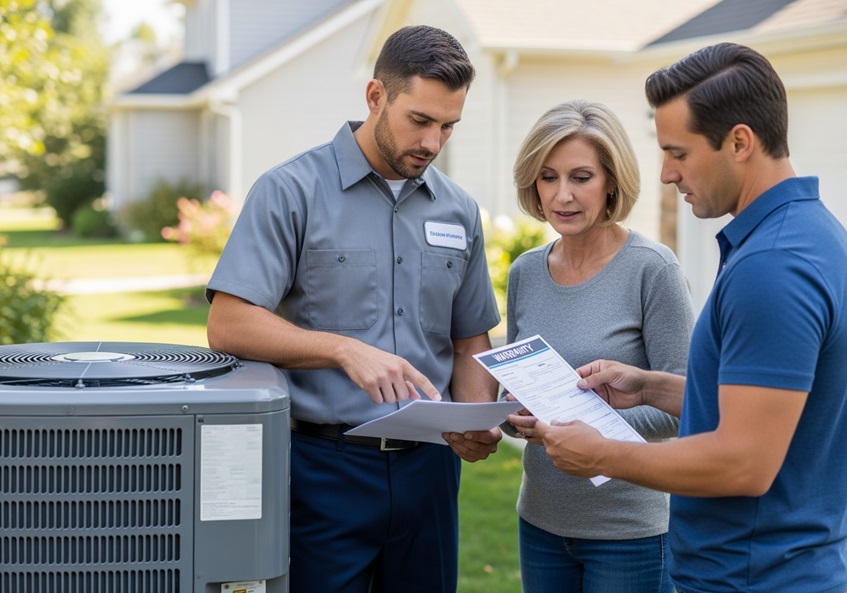
 James Haas
Peace of Mind for Your Home: The Value of Expert Service and Extended Warranties
Your Guide to HVAC Warranties
Investing in a home comfort system is a significant decision. When you purchase an HVAC unit, you’re not just buying equipment; you’re securing comfort and peace of mind for years to come. However, understanding the specifics of your HVAC Warranty and Service can be complex. Many homeowners face confusion about what their warranties cover, how to keep them valid, and what types of service are truly essential. Neglecting these details can lead to unexpected repair costs and discomfort in your home. We understand these concerns and aim to simplify the process.
To dig deeper into comprehensive home comfort solutions, we invite you to explore our main HVAC guide here. For immediate assistance with your HVAC Warranty and Service needs, please contact us today.

Understanding Your Investment
Your home’s heating, ventilation, and air conditioning (HVAC) system is one of its most critical components, responsible for maintaining a comfortable and healthy indoor environment year-round. It’s also a significant financial investment, often representing a substantial portion of a home’s value. With proper maintenance, HVAC systems are designed to be durable, often lasting for 15 to 20 years. However, like any complex machinery, they are susceptible to wear and tear, and components can fail unexpectedly.
Protecting this investment goes beyond simply purchasing a high-quality unit. It involves understanding the safeguards in place to cover potential issues, primarily through various types of warranties. Without adequate warranty coverage, homeowners can find themselves facing substantial and often unexpected repair costs. These costs can quickly add up, turning a minor malfunction into a major financial burden. A comprehensive understanding of your HVAC warranty and the importance of expert service is paramount to ensuring your system’s longevity and your family’s comfort.
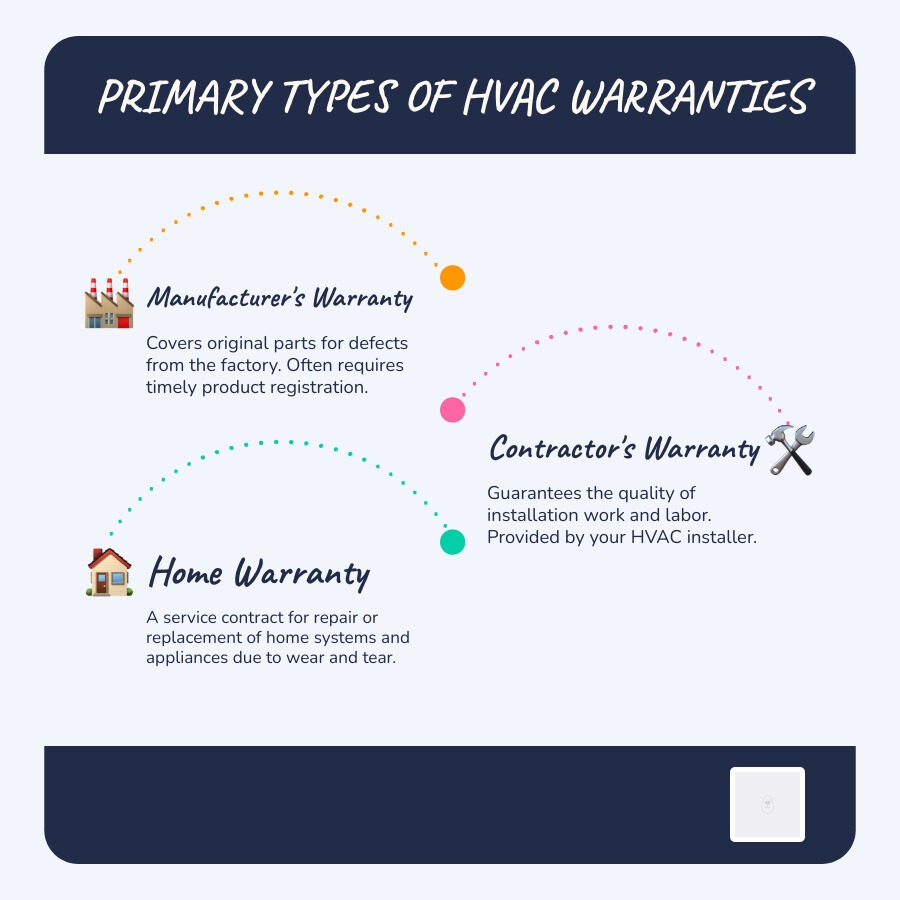
To help visualize the landscape of HVAC protection, consider this infographic outlining the primary types of warranties you’ll encounter:
The Three Main Types of HVAC Warranties
When it comes to safeguarding your HVAC system, not all warranties are created equal. There are typically three main categories of warranties you should be aware of, each offering different levels and types of protection. Understanding these distinctions is crucial for making informed decisions and ensuring your investment is well-protected.
Manufacturer’s Warranty
This is the most common type of warranty, provided by the company that manufactured your HVAC unit. A manufacturer’s warranty primarily covers defects in materials and workmanship for specific components of the system. The coverage periods can vary significantly, not only between different brands but also between various product lines and specific parts within a single system.
Typically, you might see a manufacturer’s warranty offering 10 years of parts coverage. However, critical components often have their own distinct warranty periods. For instance, the heat exchanger in a furnace, a vital and expensive part, might carry a 20-year warranty or even a limited lifetime warranty for the original purchaser. Similarly, the compressor in an air conditioner or heat pump, another high-value component, often has a 5- to 10-year warranty.
A crucial aspect of manufacturer warranties is the requirement for registration. Many manufacturers require homeowners to register their new HVAC unit within a specific timeframe, often 60 or 90 days from the date of installation, to open up the full extended warranty benefits. Failing to register within this window can result in the warranty reverting to a shorter, standard term, leaving you with less protection. For example, Daikin, a major HVAC brand, provides comprehensive owner support, including access to manuals and warranties, through their Owner Support Center, making it easier for homeowners to find and understand their specific coverage. Always check your manufacturer’s specific requirements to ensure you don’t inadvertently lose valuable coverage.
Contractor’s (or Installation) Warranty
Separate from the manufacturer’s warranty is the contractor’s or installation warranty. This warranty is provided by the HVAC company that installed your system and covers the quality of their workmanship. While the manufacturer covers the equipment itself, the contractor’s warranty ensures that the installation was performed correctly and that any issues arising directly from the installation process will be remedied.
This typically includes a guarantee on the labor involved in the installation, often for a period ranging from one to five years. A strong installation warranty is a testament to a reputable contractor’s confidence in their team’s skills and adherence to industry best practices. It provides peace of mind, knowing that if a problem surfaces due to an installation error, the contractor will address it without additional labor costs to you. When choosing an HVAC professional, always inquire about their installation warranty and ensure they employ certified technicians, as this directly impacts the validity of both the contractor’s and manufacturer’s warranties.
Home Warranty
A home warranty, also known as a home protection contract, is a service contract that typically covers the repair or replacement of major home systems and appliances that break down due to normal wear and tear. Unlike manufacturer warranties, which are specific to individual products, a home warranty offers broader coverage across multiple systems, including your HVAC unit, plumbing, electrical, and sometimes appliances like refrigerators and washers.
A home warranty is distinctly different from an HVAC manufacturer’s warranty. The manufacturer’s warranty protects against defects in the product itself, while a home warranty covers failures due to everyday use. Home warranties are often purchased by homeowners for peace of mind or provided as part of a home sale. However, their coverage can vary widely, with specific limits, deductibles, and exclusions. For example, while home warranties may cover HVAC units, some regions, like Ontario, Canada, explicitly state that their Tarion warranty coverages do not include HVAC equipment. In contrast, in Quebec, legal warranties require that heating and air conditioning appliances serve their intended purpose and have a reasonable lifetime, differing from explicit manufacturer terms.
To illustrate, here’s a general list of items typically covered by a home warranty versus a manufacturer’s warranty:
- Typical Home Warranty Coverage:HVAC systems (furnace, AC, heat pump)
- Plumbing systems (pipes, water heaters)
- Electrical systems (wiring, outlets)
- Kitchen appliances (refrigerator, oven, dishwasher)
- Laundry appliances (washer, dryer)
- Garage door openers
- Typical Manufacturer’s Warranty Coverage:Specific HVAC unit components (compressor, heat exchanger, coils, fan motor)
- Defects in materials and workmanship of the manufactured product
For consumers, read the fine print of any home warranty contract to understand what is covered, what are the limitations, and what constitutes a “service fee” or deductible. The California Department of Insurance provides valuable information on Home Protection Contracts, highlighting consumer rights and what to look for in these agreements.
Navigating Your HVAC Warranty and Service Coverage

Understanding the types of warranties is just the beginning. To truly leverage your HVAC warranty and avoid unexpected costs, you need to steer the specifics of what’s covered, what’s not, and, most importantly, what you need to do to keep your warranty valid.
What’s Typically Covered (and What’s Not)
A manufacturer’s warranty is designed to cover defective parts due to manufacturer defects. This means if a component fails prematurely because of a flaw in its design or construction, the manufacturer will typically provide a replacement part. As noted, specific parts like the compressor or heat exchanger often have longer coverage periods due to their critical nature and cost.
However, it’s crucial to understand the limitations:
- Labor Costs: Manufacturer warranties often cover only the cost of replacement parts. Labor costs, which can be substantial, are frequently not covered beyond the first year of ownership. This means you could receive a free part but still pay for the technician’s time to diagnose the issue and install the replacement.
- After-Hours Service: Emergency or after-hours service calls are almost never covered by manufacturer warranties. If your system breaks down in the middle of the night or on a holiday, the premium charged for urgent service will be your responsibility.
- Shipping Fees: While the part itself might be free, the cost to ship the replacement part to your contractor is often not covered by the warranty.
- Consumable Parts: Items like air filters, belts, and routine maintenance materials are generally not covered, as they are expected to be replaced as part of normal operation and maintenance.
How to Keep Your Warranty Valid
The terms and conditions of your HVAC warranty are not merely suggestions; they are strict requirements that, if not met, can lead to the voiding of your coverage. To ensure your warranty remains valid, pay close attention to these critical factors:
- Professional Installation: Most manufacturers stipulate that their equipment must be installed by a qualified, certified HVAC professional. Improper installation can not only lead to system inefficiencies and premature breakdowns but will almost certainly void your manufacturer’s warranty.
- Certified Technicians: Any service, repair, or maintenance performed on your HVAC system must be carried out by certified technicians. Using an unlicensed or uncertified individual, even for seemingly minor repairs, can invalidate your warranty. Manufacturers want assurance that their complex equipment is being handled by trained experts.
- Regular Maintenance: This is perhaps the most frequently overlooked requirement. Many manufacturer warranties explicitly state that annual tune-ups are required to keep the warranty valid. This isn’t just a recommendation; it’s a condition. You’ll need to keep detailed records and invoices of all maintenance performed, as manufacturers may request this documentation when processing a warranty claim.
- Using Approved Parts: While tempting to use cheaper, generic parts for repairs, doing so can void your warranty. Manufacturers often require that only genuine, manufacturer-approved replacement parts be used to maintain coverage.
Common Conditions That Can Void Your Warranty
Beyond the requirements for validity, certain actions or circumstances can explicitly void your HVAC warranty, leaving you completely unprotected:
- DIY Repairs: Attempting to repair your HVAC system yourself, no matter how skilled you might be, is a surefire way to void your warranty. The complexity of modern HVAC systems requires specialized tools and expertise.
- Neglecting Maintenance: As mentioned, skipping those crucial annual tune-ups can invalidate your warranty. Manufacturers design their equipment to last, but only with consistent care.
- Improper Installation: If your system wasn’t installed according to the manufacturer’s specifications and local codes, the warranty can be voided from day one. This underscores the importance of choosing a reputable, certified installer.
- Using Off-Brand Parts: Substituting manufacturer-approved parts with generic alternatives can lead to performance issues and void your warranty.
- Contaminated or Corrosive Environments: If your HVAC unit is exposed to unusual environmental conditions, such as corrosive chemicals, excessive dust, or extreme temperatures beyond its design parameters, the warranty may be voided.
- Online Purchases: Some manufacturers explicitly state that units purchased online through unauthorized dealers or auction sites are not covered by their warranty, as they cannot guarantee proper handling or installation.
The Critical Role of Professional HVAC Service
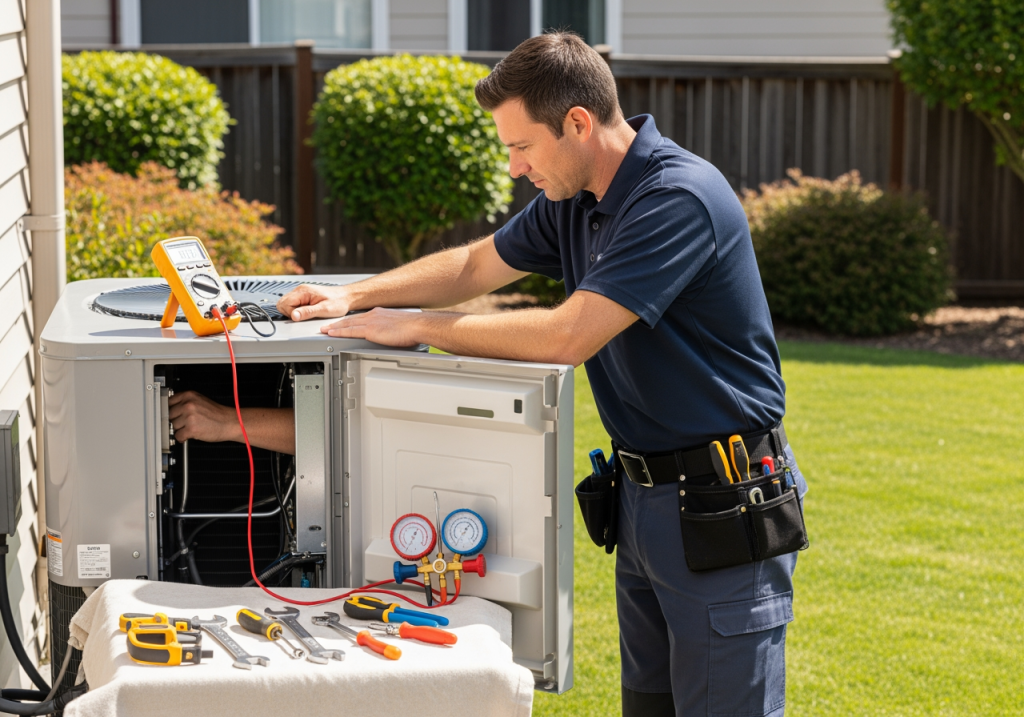
Just as a car needs regular oil changes and check-ups, your HVAC system thrives on professional attention. Expert service is not merely a convenience; it’s a necessity for optimal performance, longevity, and, crucially, for maintaining your warranty.
Why Regular Maintenance is Non-Negotiable
Regular, professional maintenance is the backbone of a healthy HVAC system. It serves multiple vital purposes:
- Warranty Compliance: As highlighted, many manufacturer warranties require annual tune-ups to remain valid. Skipping these can render your warranty useless when you need it most.
- System Longevity: HVAC systems can last for 15 to 20 years with proper maintenance. Regular service helps identify minor issues before they escalate into major, costly repairs, significantly extending the lifespan of your unit.
- Energy Efficiency: A well-maintained system runs more efficiently, consuming less energy and translating into lower utility bills. Technicians clean coils, check refrigerant levels, and ensure all components are operating at peak performance.
- Preventing Breakdowns: Proactive maintenance reduces the likelihood of unexpected breakdowns, especially during peak heating or cooling seasons when your system is working hardest.
- Safety: For gas furnaces, regular checks ensure safe operation, preventing potential hazards like carbon monoxide leaks.
Investing in a maintenance plan with a trusted local HVAC provider is one of the smartest decisions a homeowner can make. It ensures that certified technicians regularly inspect and tune up your system, keeping it in top condition and your warranty intact. A quality Wolff’s HVAC service warranty offered by a reputable local company can provide an additional layer of protection and peace of mind, ensuring that your system receives the care it needs year after year.
Transferring a Warranty When You Sell Your Home
The implications of selling a home on an existing HVAC warranty are an important consideration for both sellers and buyers. Many manufacturer warranties are tied to the original purchaser and may not automatically transfer to a new homeowner. However, some warranties do include transferability clauses, often with specific conditions or fees.
If a warranty is transferable, it can be a significant selling point for your home, providing the new owners with immediate peace of mind and protection against future HVAC repair costs. This added value can make your property more attractive in the real estate market. It’s crucial for sellers to review their warranty documents to understand the transfer process and for buyers to inquire about the HVAC system’s warranty status during due diligence. Companies like JB Warranties highlight the transferability of their extended plans, noting that when a homeowner sells their house, the warranty transfers to the new homeowner, free of charge, adding considerable value.
Extended Warranties and Protection Plans
While manufacturer warranties provide essential baseline coverage, they often have limitations, particularly regarding labor costs and the duration of protection. This is where extended warranties and protection plans come into play, offering a more comprehensive safety net for your HVAC investment.
The Benefits of an Extended HVAC Warranty and Service Plan
Extended HVAC warranties, sometimes referred to as service agreements or protection plans, are designed to pick up where manufacturer warranties leave off. They typically offer longer coverage periods and, critically, often include labor costs, which are rarely covered by standard manufacturer warranties beyond the first year.
The benefits of an extended HVAC warranty or protection plan are substantial:
- Labor Cost Coverage: This is arguably the most significant advantage. With labor costs often being a major component of any HVAC repair, having this covered can save homeowners hundreds or even thousands of dollars per service call.
- Long-Term Protection: While manufacturer warranties might last 5-10 years, extended plans can push coverage out to 10, 12, or even more years, aligning more closely with the expected lifespan of a well-maintained system.
- Budgeting for Repairs: Extended warranties turn unpredictable repair expenses into a predictable, upfront cost. This allows homeowners to budget more effectively and avoid sudden financial strain from major system failures.
- Peace of Mind: Knowing that your system is protected against both parts and labor costs for an extended period offers invaluable peace of mind. You can rest assured that unexpected breakdowns won’t lead to crippling repair bills.
- Improved Service: Some extended plans also include annual maintenance checks, reinforcing the importance of regular service and ensuring your system operates efficiently.
Major brands often offer their own extended options. For example, Carrier offers Consumer Choice Warranty options, allowing timely registrants to choose between a 10-year parts-only limited warranty or a 5-year parts + 3-year labor limited warranty. YORK® also provides the YORKCare™ Protection Plan, which offers up to 10 years of total system protection with no deductibles or repair limitations. For comprehensive coverage that includes both parts and labor, an extended HVAC warranty service can be a game-changer, providing robust protection against mechanical breakdowns for all brands. These plans often provide customizable options, including labor-only, labor plus, parts and labor plus, or customized parts-only plans, catering to diverse homeowner needs.
Implied vs. Express Warranties
Beyond the written contracts of manufacturer, contractor, and extended warranties (known as express warranties), consumers in some regions also benefit from legal protections known as implied warranties. These are warranties provided by law, even if not explicitly stated in a contract.
For instance, in Quebec, legal warranties are automatically provided by law. These require that heating and air conditioning appliances serve their intended purpose and have a reasonable lifetime, and are free from hidden defects. This “reasonable lifetime” is not a fixed number of years but is determined by factors such as the price paid, the contract details, and the conditions of use. These legal warranties cannot be waived by a manufacturer or merchant, offering a fundamental layer of consumer protection. Understanding these regional legal frameworks is crucial, as they can provide recourse even if an express warranty has expired or has limitations.
Frequently Asked Questions about HVAC Warranty and Service
What is the first step to make a warranty claim?
If your HVAC system experiences a problem that you believe is covered by warranty, the first step is always to contact your original installing contractor or the service provider who regularly maintains your system. They are typically your primary point of contact for warranty claims. Be prepared to provide them with:
- Your HVAC unit’s model and serial numbers.
- The date of installation.
- Any documentation or invoices for past maintenance services.
- A clear description of the issue you’re experiencing.
Your contractor will diagnose the problem and determine if it falls under warranty coverage. They will then initiate the claim with the manufacturer or warranty provider on your behalf.
What should I do if my warranty claim is denied?
A denied warranty claim can be frustrating, but it’s not always the final word. If your claim is denied:
- Review Your Contract: Carefully re-read your warranty document to understand the exact terms, conditions, and exclusions. Ensure you haven’t missed any requirements (like registration or maintenance).
- Understand the Reason for Denial: Ask the warranty provider or manufacturer for a clear, written explanation for the denial.
- Gather Documentation: Collect all relevant records, including purchase receipts, installation invoices, maintenance records, and any communication related to the claim.
- Appeal the Decision: Many warranty providers have an appeals process. Present your case clearly, citing specific clauses in your warranty that you believe support your claim, and provide all supporting documentation.
- Seek External Assistance: If your appeal is unsuccessful, you may have other avenues. For example, in California, if a home protection company denies your appeal, you can seek assistance from the Department of Insurance by calling them or filing an online Request for Assistance. Consumer protection agencies or legal counsel can also provide guidance.
How do I find the details of my specific warranty?
Finding the precise terms and conditions of your HVAC warranty is essential. Here’s how you can typically locate this information:
- Product Registration Documents: If you registered your unit, you should have received confirmation or a copy of your warranty terms.
- Manufacturer’s Website: Most HVAC manufacturers have a dedicated section on their website for warranty information. You’ll usually need your model and serial number to look up specific coverage. For example, Daikin provides comprehensive warranty details through its Owner Support Center.
- Owner’s Manual: The manual that came with your unit often contains a summary of the warranty or instructions on how to access the full terms.
- Contact Your Installer: Your original HVAC installer should have a record of your unit’s warranty and can often provide you with a copy or direct you to the right resources.
Conclusion: Securing Your Home’s Comfort
Your HVAC system is a long-term investment in your home’s comfort and air quality. Understanding the nuances of HVAC Warranty and Service is not just about protecting that investment; it’s about securing your peace of mind. By familiarizing yourself with the different types of warranties, diligently registering your equipment, adhering to regular professional maintenance schedules, and considering the benefits of extended protection plans, you can steer potential issues with confidence.
Proactive engagement with your HVAC system’s warranty and service requirements ensures its longevity, efficiency, and reliable performance for years to come. Make informed decisions, partner with certified professionals, and always keep your documentation in order. This holistic approach will safeguard your home’s comfort and provide lasting value.


 Jack Peterson
 James Haas

 Clare Louise
 Green Fingers