
 Jack Peterson
A septic system plays a vital role in managing your home’s wastewater, especially if you live in an area not connected to a municipal sewer line. Over time, this system collects solid waste, grease, and sludge that can build up and affect its efficiency. Regular maintenance ensures it continues working properly, and one of the most important aspects of that maintenance is septic cleaning. Understanding how it works and why it’s necessary can help homeowners avoid costly repairs and unpleasant problems.
The Importance of Regular Septic Cleaning
Septic cleaning is essential for keeping your home’s waste management system in good condition. When waste enters the septic tank, it naturally separates into three layers—solids settle at the bottom, liquids stay in the middle, and scum (like oils and grease) floats to the top. Over time, the solid and scum layers grow thicker and begin to limit the tank’s capacity. If this buildup isn’t removed, it can lead to blockages, sewage backups, or even system failure.
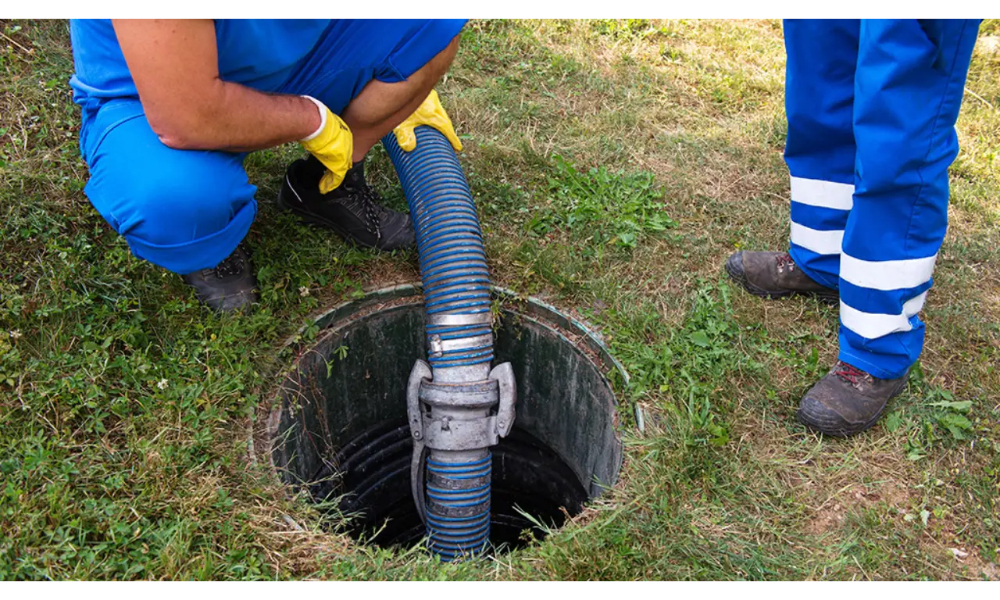
By scheduling regular septic cleaning, homeowners can prevent these problems and extend the life of their entire waste system. Professionals use specialized equipment to pump out the sludge and scum, ensuring the tank is clean and functioning efficiently. This process not only helps maintain hygiene but also keeps unpleasant odors and health risks at bay.
How Septic Cleaning Improves System Efficiency
A clean septic tank works more efficiently because it allows wastewater to flow freely through the system. When the tank is full of solid waste, it reduces the space available for new waste to separate properly. This can cause wastewater to flow too quickly into the drain field, leading to clogs or contamination.
Routine septic cleaning helps restore the tank’s capacity and ensures that waste is properly treated before reaching the soil. It also helps prevent the overloading of your drain field, which can be one of the most expensive components to repair or replace. In simple terms, cleaning keeps everything moving as it should, reducing strain on your system and lowering long-term maintenance costs.
Signs That Indicate Your Septic Tank Needs Cleaning
While septic cleaning should be performed every few years depending on household size and water usage, certain warning signs may indicate that your system needs attention sooner. Slow-draining sinks or toilets, gurgling sounds in your plumbing, or unpleasant odors around the drain field area are common signs of an overfilled tank. In severe cases, you might even see sewage backing up into your drains, which requires immediate professional help.
Noticing these symptoms early and calling a professional septic cleaning service can prevent serious damage. Ignoring these signs can lead to complete system failure, resulting in expensive repairs and potential health hazards for your family and the environment.
Professional Septic Cleaning vs. DIY Methods
Some homeowners may be tempted to handle septic maintenance themselves, but septic cleaning is not a task suitable for DIY. The process involves specialized equipment and protective gear to safely remove waste without damaging the tank or surrounding property. Professional septic cleaning technicians are trained to identify issues like cracks, leaks, or root intrusions during the cleaning process, allowing for timely repairs before they become bigger problems.
Attempting to clean a septic tank on your own can be dangerous due to exposure to harmful gases and bacteria. It’s always safer and more effective to rely on trained professionals who have the right tools and knowledge to perform the job properly and safely.
Benefits of Routine Septic Cleaning for Homeowners
Regular septic cleaning provides peace of mind and helps you avoid costly surprises. A well-maintained septic system ensures smooth wastewater disposal, keeps your home odor-free, and maintains a healthier living environment. It also helps protect local groundwater sources from contamination, making it an environmentally responsible choice.
Additionally, keeping up with septic maintenance can increase your property’s value. Potential buyers appreciate knowing that the waste system has been properly cared for, which can make your home more appealing on the market.
Conclusion
Septic cleaning is a crucial part of maintaining a healthy and efficient waste management system for your home. By keeping the tank free of buildup, it prevents blockages, backups, and costly damage. Regular professional cleaning not only improves system performance but also safeguards your home’s hygiene and environmental health. Investing in routine septic cleaning today can save you from major headaches tomorrow, ensuring your waste system continues running smoothly for years to come.


 James Haas

 Green Fingers
 Clare Louise
