

Best Practices for Safe Chemical Storage in Industrial SettingsKey Takeaways
- Safe chemical storage is fundamental to accident prevention and legal compliance.
- Proper segregation and storage of chemicals such as strong bases and acids is necessary to avoid hazardous reactions.
- Routine inspections and employee training are critical to sustaining a safe work environment.
Ensuring the safe storage of chemicals in industrial environments is vital for maintaining workplace safety, protecting the facility and environment, and meeting regulatory standards. Properly managing substances like KOH can significantly reduce the risk of accidents, from fires to hazardous chemical reactions. The core of chemical safety lies in careful planning, comprehensive training, and ongoing program improvement.
With the wide variety of chemicals used in production, cleaning, and maintenance, each with different storage needs, implementing a thorough chemical storage strategy is essential. Facilities must consider chemical compatibility, proper labeling, containment systems, and airflow requirements to ensure every material is handled safely from arrival to disposal.
Recognizing the importance of chemical compatibility, facility operators must pay particular attention to the organization of storage spaces. For example, storing a corrosive like HCL separately from bases ensures no dangerous interactions occur. Adopting these preventive strategies supports ongoing operational safety and compliance.
Many regulatory bodies, such as the Occupational Safety and Health Administration (OSHA), set forth strict standards on chemical management, making it necessary for organizations to stay up-to-date with best practices and legal requirements. Regular reviews and improvements to storage procedures streamline compliance and protect all personnel and nearby communities.
1. Maintain an Up-to-Date Chemical Inventory
Managing a detailed chemical inventory is foundational for industrial safety. This inventory helps operators keep track of all hazardous materials on site, monitor expiration dates, and minimize the accumulation of outdated or excess chemicals. With a reliable inventory system, facilities can efficiently respond to emergencies and ensure only necessary, in-date substances are stored.
Additionally, having a well-organized and updated inventory aids in conducting risk assessments and streamlining audits by regulatory agencies. An accurate inventory also helps in waste management by identifying which chemicals need to be disposed of properly before they become a safety hazard. Digital inventory systems, often integrated with barcode scanning and real-time tracking, can further simplify inventory management and reduce human error.
2. Segregate Incompatible Chemicals
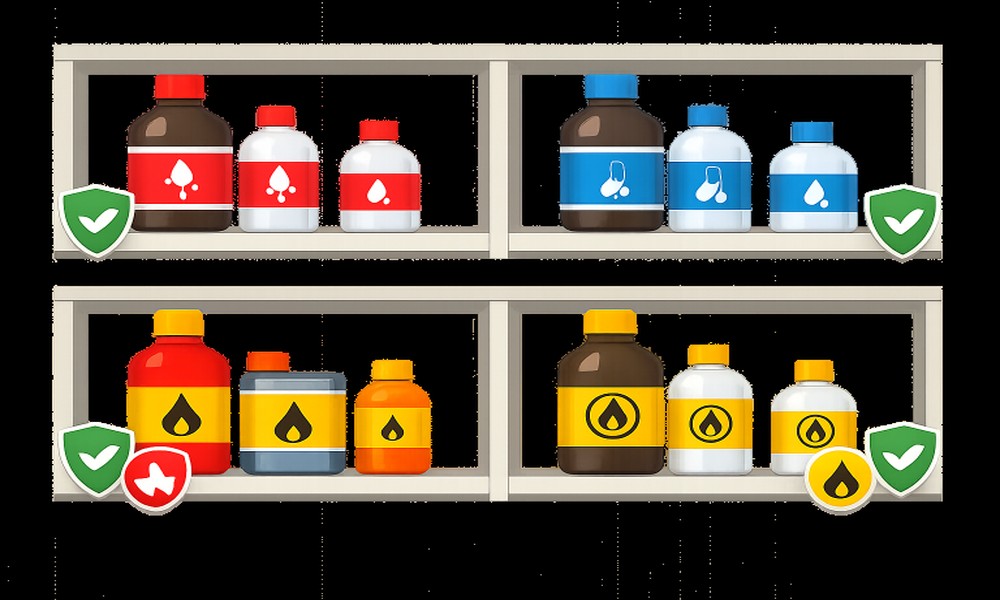
One of the highest risks of improper storage comes from the potential mixing of incompatible chemicals. Acids and bases, for example, must not be stored together, as their contact can lead to violent reactions. Oxidizers and flammable liquids are similarly dangerous if stored in proximity. Chemical compatibility charts and clear labeling help ensure every material is segregated correctly and safely.
Developing a color-coded labeling system can further enhance organization and reduce confusion. Facilities may also use dedicated storage rooms or shelving units for different classes of chemicals. Posting clear signage and access restriction policies near these areas will reinforce segregation protocols and prevent accidental mixing during daily operations.
3. Use Appropriate Storage Containers and Cabinets
Careful selection of storage containers and cabinets further reinforces chemical safety protocols. Flammable materials should be housed in cabinets that comply with recognized safety standards, such as NFPA 30, while corrosive substances require specialized corrosion-resistant containers. Sealed, clearly labeled containers help prevent leaks and make identification easy during emergencies.
To further support safety, ensure that containers are checked regularly for physical integrity. Broken seals, rusted latches, or weakened container walls can all increase the risk of leaks or exposure, making routine inspection schedules essential. Additionally, consider using lockable cabinets to secure especially hazardous chemicals, limiting access to only trained employees.
4. Implement Secondary Containment Measures
Secondary containment is an important safety layer for managing spills and leaks. Solutions include spill pallets, containment berms, and drip trays, which capture accidental releases before they can spread and cause harm. Regular inspection of these containment systems is necessary to ensure ongoing reliability and compliance with environmental guidelines. More guidance on containment strategies is available through the OSHA website.
Secondary containment should be sized to hold at least 110% of the largest container in the storage area to ensure adequate protection. Facilities storing chemicals outdoors may need weather-resistant containment options to address rainwater or flooding risks, further supporting environmental protection goals.
5. Ensure Proper Ventilation in Storage Areas
Adequate ventilation is key to dispersing any vapors and maintaining air quality within chemical storage rooms. Ventilation systems should be tailored to the particular chemicals in use and comply with relevant regulations to prevent dangerous vapor buildup, which could result in fire or toxic exposure. Monitoring these systems and conducting periodic airflow tests further promotes a healthy work environment.
For chemicals that emit hazardous gases, local exhaust ventilation or fume hoods can help contain and exhaust harmful vapors directly from the storage area. Installing sensors for some chemicals to detect air quality concerns as soon as they arise allows for real-time responses that further mitigate risks.
6. Conduct Regular Inspections and Maintenance
Routine inspections are crucial for identifying problems before they evolve into larger safety issues. Facilities should check container integrity, inspect labeling, and verify that all safety equipment (such as spill kits and fire extinguishers) is accessible and functional. Maintenance should be performed according to a set schedule, with any issues recorded and addressed promptly to prevent incidents.
Creating checklists for routine inspections ensures that maintenance teams do not overlook important steps. These checklists might include examining secondary containment, assessing the condition of ventilation systems, and ensuring that safety data sheets are present and accessible for all stored chemicals.
7. Provide Employee Training and Emergency Preparedness
Proper training empowers employees to recognize risks associated with chemical storage and respond appropriately during emergencies. Ongoing training sessions should include instructions on handling and storing chemicals, using personal protective equipment, and executing emergency procedures. Developing and practicing emergency response plans prepares all staff to manage spills and incidents quickly and confidently.
Training should also include proper use of safety showers, eyewash stations, and first-aid resources relevant to chemical exposures. Using scenario-based drills can help teams practice decision-making in high-pressure situations, making the response even more effective if a real incident should occur.
8. Stay Informed on Regulatory Requirements
Compliance is not optional. Industrial facilities must regularly monitor updates to local, state, and federal regulations governing chemical storage. Reliable sources such as the U.S. Environmental Protection Agency (EPA) and OSHA provide current guidelines and regulatory changes that should be integrated into management protocols to avoid fines and promote safety.
Engage with industry associations, attend safety seminars, and subscribe to relevant regulatory update bulletins to stay proactive about compliance. Collaborating with external environmental health and safety consultants can also provide an objective assessment of your facility’s chemical storage practices and highlight new compliance opportunities.
Implementing these best practices creates a safer workplace, reduces the chance of chemical accidents, and supports environmental stewardship. Continuous review and enhancement of chemical storage procedures help safeguard employees, the public, and the facility itself, laying the groundwork for long-term industrial success.
