

Why Post-Winter Plumbing and Heating Services Are Essential
As the chill of winter recedes, it leaves behind more than just memories of colder days. The fluctuating temperatures, especially the freeze-thaw cycles common in many regions, can exert immense pressure on your home’s plumbing system. Water expands when it freezes, and this expansion can create hidden hairline cracks within pipes, even those not directly exposed to the elements. While these cracks might not immediately burst, they become significant vulnerabilities when water pressure returns to normal with warmer weather.
Beyond the pipes themselves, winter can also cause soil to shift around your home’s foundation. This movement can stress underground pipes, including main water lines and sewer lines, potentially leading to leaks or even breaks. Protecting your foundation from water damage is paramount, and a compromised plumbing system can quickly undermine this defense. Ignoring these subtle signs of winter’s impact can lead to costly repairs, mold growth, and structural damage down the line.
A comprehensive spring inspection ensures system reliability and extends the lifespan of your entire plumbing infrastructure. By identifying and addressing potential issues early, we can prevent minor problems from escalating into major emergencies. This proactive approach is a cornerstone of preventative care, safeguarding your investment and providing peace of mind. Even in a climate like San Diego County, where extreme freezes are less common, the subtle stresses of cooler temperatures and seasonal shifts still warrant diligent attention to your plumbing system. Regular check-ups help us maintain optimal performance and efficiency, just as with any other critical home system.
Outdoor and Foundation Maintenance Checklist
With spring’s arrival, attention naturally turns to the exterior of our homes. Your outdoor plumbing components are particularly susceptible to winter’s wrath and require careful inspection. For homeowners seeking 5-Star plumbing and heating tips, spring is the right time to catch small exterior issues before they become costly repairs.
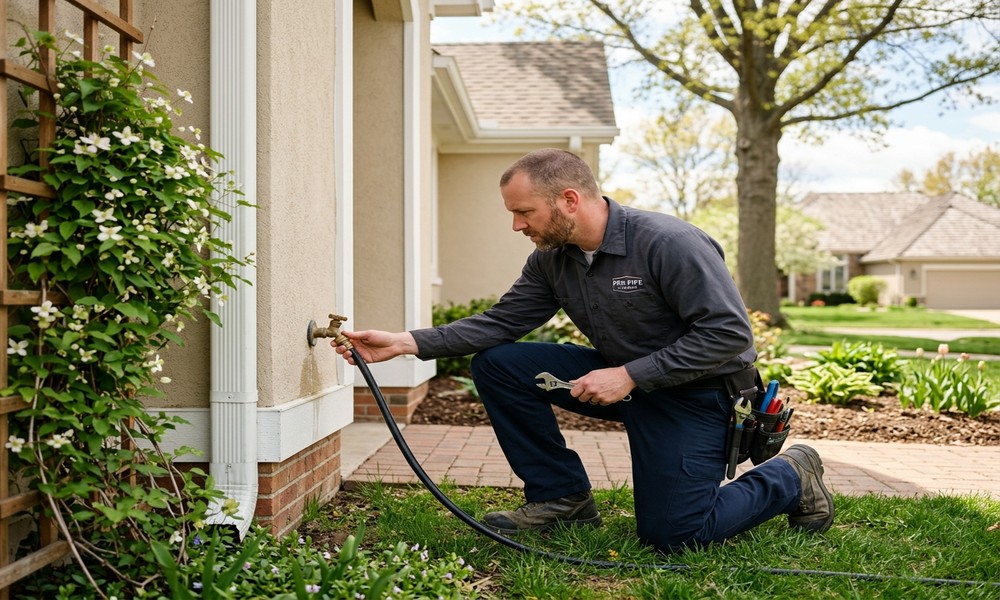
Hose Bibs and Outdoor Faucets
These are often the first victims of freezing temperatures. Even if you drained them last fall, residual water can still freeze and cause damage. When you turn them on for the first time in spring, slowly open the valve and watch for any drips, leaks, or reduced water flow. Leaks might appear at the faucet itself or, more dangerously, inside the wall, indicating a burst pipe that could lead to significant water damage. If you notice any issues, it’s crucial to address them immediately to prevent further damage.
Gutters, Downspouts, and Exterior Drainage
These elements are vital for directing rainwater away from your home’s foundation. Over winter, gutters can become clogged with leaves, twigs, and other debris, preventing proper drainage. Clear them thoroughly to ensure water flows freely. Check that downspouts are securely attached and direct water at least 5-10 feet away from your foundation. Pooling water near the foundation can lead to seepage into basements or crawl spaces, causing structural issues and fostering mold growth. Inspect the grading around your home to ensure it slopes away from the foundation, further preventing water accumulation.
Irrigation System Startup and Backflow Prevention
As you prepare your garden for spring, your irrigation system needs careful attention. Before turning on the main water supply to the system, inspect all visible sprinkler heads for cracks or damage. Slowly activate the system zone by zone, checking for leaks, broken sprayers, or inefficient coverage. This is also the opportune time to check your backflow prevention device. These devices are critical for protecting your potable water supply from contamination by preventing irrigation water from flowing back into your home’s drinking water. Many municipalities, including those in San Diego County, require annual testing of these devices. If you need assistance with this vital check, our team provides comprehensive Backflow Prevention Testing to ensure your water remains safe and compliant.
Preventing Basement Flooding
Beyond gutters and downspouts, effective exterior drainage is your first line of defense against basement flooding. Ensure any exterior drains or window wells are clear of debris. These simple steps, combined with a properly functioning sump pump (which we’ll discuss next), form a robust strategy to protect your home from spring rains.
Indoor System Optimization and Leak Detection
While outdoor systems bear the brunt of winter’s direct impact, your indoor plumbing deserves a thorough spring review as well. Hidden leaks and inefficient components can silently waste water and lead to significant problems.
Checking for Hidden Leaks
One of the most insidious plumbing issues is a hidden leak. These can occur under sinks, behind walls, or even within appliances, leading to water damage, mold, and elevated utility bills.
- Toilets: A running toilet can waste hundreds of gallons of water daily. To check for a silent leak, add a few drops of food coloring to the toilet tank. Wait about 15-30 minutes without flushing. If the color appears in the bowl, you have a leaky flapper or fill valve that needs repair.
- Faucets and Under Sinks: Visually inspect all faucets for drips. Open cabinet doors under sinks in bathrooms and kitchens. Look for any signs of moisture, water stains, or mold on the cabinet floor, pipes, or walls. Feel the pipes and connections for dampness.
- Appliances: Check the hoses connected to your washing machine, dishwasher, and refrigerator (if it has an ice maker or water dispenser). Look for cracks, bulges, or leaks. We recommend replacing rubber washing machine hoses every 3-5 years with more durable stainless-steel braided hoses to prevent catastrophic flooding.
- Water Meter Monitoring: For a whole-house leak detection, turn off all water-consuming appliances and faucets in your home. Note the reading on your water meter. Wait for a few hours (or overnight) without using any water, then check the meter again. If the reading has changed, you likely have a hidden leak somewhere in your system. This method is highly effective for catching those elusive leaks that aren’t immediately visible.
Sump Pump Testing
Spring rains can be heavy, making a reliable sump pump critical for homes with basements or crawl spaces. Before the rainy season fully kicks in, test your sump pump:
- Locate your sump pump pit, usually in the basement or crawl space.
- Ensure the pump is plugged into a working outlet.
- Pour a bucket of water (about 3-5 gallons) into the pit.
- The pump should activate, drain the water, and then shut off automatically.
- Check that the discharge line is clear and directing water away from your foundation.
- If your sump pump has a battery backup, test it according to the manufacturer’s instructions to ensure it will function during a power outage.
If your pump doesn’t activate, runs continuously, or makes unusual noises, it’s time to call a professional for Plumbing Repair.
Ensuring Efficiency with Professional Plumbing and Heating Services
Your water heater is one of the hardest-working appliances in your home, especially during winter. Spring is the ideal time to give it some much-needed attention to ensure it operates efficiently and safely.
Water Heater Flushing and Maintenance
Sediment buildup at the bottom of your water heater tank can reduce its efficiency, increase energy consumption, and shorten its lifespan. Flushing the tank annually helps remove these mineral deposits.
- Turn off Power/Gas: For electric heaters, turn off the breaker. For gas heaters, set the thermostat to “pilot” or “off.”
- Turn off Cold Water Supply: Locate the cold water inlet valve at the top of the heater and turn it off.
- Connect Hose: Attach a garden hose to the drain valve at the bottom of the tank and direct the other end to a floor drain or outside.
- Open Hot Water Faucet: Open a hot water faucet in your home to break any vacuum and allow air into the tank.
- Drain Tank: Open the drain valve on the water heater. Let the water drain until it runs clear, indicating most sediment has been flushed out.
- Refill and Restart: Close the drain valve, remove the hose, and close the hot water faucet. Open the cold-water supply valve to allow the tank to refill. Once full, turn the power or gas back on.
While flushing is a DIY task, inspecting the anode rod – a sacrificial component that prevents tank corrosion – is best left to professionals during routine Water Heater Services. We generally recommend setting your water heater temperature to 120°F. This provides sufficient hot water for most households, prevents scalding, and optimizes energy efficiency, reducing your utility bills.
Feature Tank Water Heater Maintenance Tankless Water Heater Maintenance Flushing Annual draining to remove sediment buildup Annual descaling (flushing with vinegar/special solution) Anode Rod Inspect and replace every 3-5 years (professional recommended) Not applicable Filter Cleaning Not applicable Clean inlet water filter annually Ventilation Check for blockages in exhaust flue Check for blockages in exhaust/intake vents Safety Valve Test T&P (Temperature & Pressure) relief valve annually Inspect pressure relief valve Lifespan 10-15 years (with maintenance) 20+ years (with maintenance) Professional Call For anode rod, T&P valve, gas lines, unusual noises, leaks For descaling, gas lines, error codes, leaks Protecting Your Home with Expert Plumbing and Heating Services
Beyond preventing emergencies, spring inspections are an excellent opportunity to improve your home’s water efficiency. Replacing older, inefficient fixtures with WaterSense-labeled models can significantly reduce water consumption. For example, low-flow aerators on faucets and showerheads can cut water usage by up to 30% without sacrificing performance. Upgrading to WaterSense-certified toilets can save a family of four over 16,000 gallons of water annually. These upgrades not only conserve a precious resource but also translate to noticeable savings on your water bill.
Hidden leaks, even small ones, can waste thousands of gallons of water each year, leading to higher bills and potential damage. Our comprehensive Leak Detection & Repair services can pinpoint these elusive leaks, preventing further damage and ensuring your home’s structural integrity. Regular checks for under-sink moisture and prompt addressing of any dampness can prevent mold growth, which poses health risks and can be expensive to remediate.
It’s also a good practice to locate and test your main water shut-off valve. Knowing where it is and ensuring it’s functional are crucial for emergency preparedness, allowing you to stop water flow in case of a major leak quickly. Our Carlsbad local expertise means we understand the specific plumbing challenges and solutions relevant to our community, ensuring your home is protected with the highest standard of care from licensed technicians.
Advanced Diagnostics and Professional Red Flags
While homeowners can perform many basic inspections, certain issues require advanced diagnostics and professional expertise. Recognizing the red flags that signal a deeper problem can save you from extensive damage and costly repairs.
Water Pressure Testing
Maintaining optimal water pressure is crucial for the health of your plumbing system. Ideal home water pressure typically ranges between 40 and 60 PSI. Pressure that is too high (above 80 PSI) can strain pipes, fittings, and appliances, leading to premature wear and leaks. Conversely, low water pressure can indicate a clog, a faulty pressure regulator, or even a main water line issue. You can purchase an inexpensive water pressure gauge at any hardware store and attach it to an outdoor hose bib to test your home’s pressure. If your pressure is consistently outside the ideal range, a professional can inspect or install a pressure regulator to protect your system.
Slow Drains and Sewer Line Problems
A single slow drain might be a minor clog that can be easily remedied with a plunger or a drain snake. However, if multiple drains in your home are slow, gurgling, or emitting foul odors, it could indicate a more serious problem with your main sewer line. Tree root intrusion, a common issue in spring as roots seek moisture, can cause significant blockages. Shifting soil or pipe deterioration can also lead to sewer line damage. In such cases, a Drain Cleaning Services professional can perform a sewer line camera inspection to diagnose the problem without invasive digging. If roots or stubborn blockages are found, services like Hydro Jetting can effectively clear the line.
Unusual Noises, Odors, or Discoloration
These are clear indicators that something is amiss and warrant immediate attention:
- Unusual Noises: Banging, clanking, or whistling sounds from pipes can indicate water hammer, loose pipes, or excessive water pressure. Gurgling sounds from drains often point to venting issues or partial blockages.
- Foul Odors: Persistent sewer gas smells can mean a dry P-trap, a cracked sewer pipe, or a blocked vent pipe. These odors are not only unpleasant but can also pose health risks.
- Water Discoloration: Brown, yellow, or rusty water can signal corrosion in your pipes or water heater. Green or blue tints might indicate copper pipe corrosion. Cloudy water could be air in the lines or sediment. Any significant change in water color or clarity should be investigated, potentially requiring the involvement of Water Quality Services.
- Slab Leak Indicators: Warm spots on floors, unexplained increases in your water bill, the sound of running water when no fixtures are in use, or cracks in your foundation could all point to a slab leak – a leak in the pipes embedded within your home’s concrete slab. These are serious issues that require immediate professional Leak Detection & Repair to prevent extensive structural damage.
When faced with these red flags, it’s always best to consult with experienced professionals. They have the tools and expertise to perform advanced diagnostics and implement effective solutions, ensuring the long-term health and safety of your plumbing system.
Frequently Asked Questions about Spring Plumbing Maintenance
Homeowners often have specific questions as they embark on their spring plumbing inspections. Here are some of the most common inquiries we receive:
How do I know if my outdoor faucets have winter freeze damage?
The most telling signs of winter freeze damage to outdoor faucets (hose bibs) become apparent when you first turn them on in spring. Look for:
- Visible Drips or Leaks: Water dripping from the spigot, handle, or behind the escutcheon plate (where it meets the wall) is a clear indicator of damage.
- Low Water Pressure: If the water flow is significantly weaker than usual, it could indicate an internal crack or a blockage caused by freezing.
- Spraying Water Behind the Handle: This is a strong sign that the internal mechanism or pipe leading to the faucet has cracked.
- Foundation Dampness: If you notice dampness, puddles, or water stains on the foundation directly below the faucet, it may indicate a leak, possibly inside the wall.
- No Water Flow: In severe cases, the pipe may be completely frozen or burst, resulting in no water coming out at all.
If you observe any of these issues, it’s crucial to turn off the water supply to that faucet (if it has an individual shut-off) or your home’s main water supply, and then contact a professional plumber immediately to avoid further water damage.
What are the ideal water pressure levels for homes in San Diego County?
For most residential homes, including those in San Diego County, the ideal water pressure should fall between 40 and 60 PSI (pounds per square inch).
- Why this range? This range ensures sufficient water flow for all your fixtures and appliances without putting undue stress on your plumbing system.
- Pressure Regulator Health: Many homes have a pressure-reducing valve (PRV) or pressure regulator installed on the main water line to maintain consistent pressure. If your pressure is consistently too high (above 80 PSI) or too low, your PRV may be failing and require inspection or replacement.
- Appliance Protection: High water pressure can damage appliances such as dishwashers, washing machines, and water heaters, shortening their lifespans. It can also lead to noisy pipes and increased wear on faucets and seals.
- Pipe Stress Prevention: Maintaining optimal pressure prevents unnecessary strain on your pipes and fittings, reducing the likelihood of leaks and bursts over time.
Regularly checking your water pressure with a simple gauge can help you monitor this vital aspect of your home’s plumbing health.
When should I call a professional instead of attempting a DIY fix?
While many spring plumbing inspection tips are DIY-friendly, knowing when to call in the experts is critical for safety and preventing further damage. You should definitely contact a professional plumber if you encounter:
- Persistent Clogs: If you’ve tried plunging or basic drain cleaning methods and a clog persists or recurs, it often indicates a deeper issue in the main drain or sewer line.
- Discolored Water: Any significant change in your water’s color (brown, yellow, green, blue) or unusual odors should be investigated by a professional, as it could signal pipe corrosion, water heater issues, or contamination.
- Multiple Slow Drains: If several drains in your home are slow simultaneously, it’s a strong indicator of a problem with your main sewer line, which may require specialized equipment such as a sewer camera inspection.
- Sewer Backups: Any sewage backing up into your drains or toilets is a plumbing emergency that needs immediate professional attention.
- Gas Line Concerns: If you smell gas near your water heater or other gas appliances, evacuate your home and call your gas provider and a professional plumber immediately.
- Water Heater Malfunctions: If your water heater is leaking, making loud banging noises, not producing hot water, or showing signs of corrosion, professional Water Heater Services are necessary.
- Suspected Hidden Leaks: While you can monitor your water meter for signs of leaks, pinpointing and repairing leaks behind walls or under slabs requires specialized Leak Detection & Repair equipment and expertise.
- Low Water Pressure Throughout the House: This can indicate a problem with your main water line, a faulty pressure regulator, or a significant blockage that requires professional diagnosis.
Attempting complex repairs without the proper knowledge or tools can lead to more extensive damage and higher long-term costs. Professional plumbers have the training, experience, and specialized equipment to diagnose and resolve these issues safely and effectively. For any plumbing concerns that seem beyond a simple DIY fix, don’t hesitate to Contact Us for expert assistance.
Conclusion
As we embrace the beauty of spring in April 2026, proactive plumbing maintenance is an investment in your home’s future. By taking the time to conduct a thorough spring inspection, you’re not just fixing problems; you’re actively preserving your home’s value, improving its efficiency, and ensuring your family’s comfort and safety. The peace of mind that comes from knowing your plumbing system is robust and ready for the warmer months is invaluable.
From checking outdoor faucets for winter damage to ensuring your sump pump is prepared for spring rains, each step contributes to the long-term health of your system. For the Carlsbad community, understanding the unique impacts of our climate on plumbing is key to seasonal readiness. While many tasks are within a homeowner’s grasp, recognizing when to call on professional reliability for advanced diagnostics or complex repairs is equally important. Let’s work together to keep your home’s plumbing dependable and efficient for years to come.
